Imagine a future where your health isn’t just reactively managed, but proactively forecasted with meteorological precision. This isn’t distant science fiction; it’s the imminent reality of healthcare, driven by the same AI and vast datasets revolutionizing language processing and climate modeling. Industry projections hint at 2026 as the pivotal year for precision medical forecasting’s widespread emergence.
For too long, medicine has played catch-up, treating symptoms post-onset. What if we could predict individual health trajectories years, even decades, in advance? This profound shift—from reactive treatment to proactive, individualized prevention—is the key. It promises to significantly slow age-related illness onset and progression, fundamentally transforming longevity and quality of life.
The AI-Powered Crystal Ball for Your Health
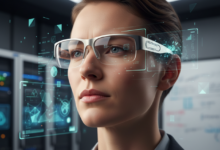
What *is* precision medical forecasting? At its core, it leverages vast, diverse datasets—genomic profiles, lifestyle choices, electronic health records, real-time wearable sensor data—to create highly accurate, personalized health predictions. Consider it this way: just as sophisticated models forecast weather patterns with granular detail, advanced AI, especially large language models (LLMs), is now poised to do the same for human health.
The true power lies not merely in data collection, but in its intelligent interpretation. Traditional medical diagnostics often rely on broad, population-level averages, frequently overlooking critical individual nuances. Precision forecasting, conversely, constructs a truly bespoke health model *for you*. It meticulously identifies subtle biomarkers, specific genetic predispositions, and unique environmental interactions, painting an unparalleled, detailed picture of your future health landscape.
From Weather Models to Wellness Pathways: The LLM Connection
Perhaps you’re asking, “What do large language models have to do with my heart health?” It’s a valid query. The answer lies in their remarkable capacity to identify complex patterns within immense, unstructured datasets. The very architecture enabling LLMs to comprehend and generate human language can be repurposed. It parses the intricate ‘language’ of biology and health data, uncovering hidden insights.
- Data Synthesis: LLMs integrate disparate information—research papers, clinical notes, imaging results, genetic sequences—uncovering connections human doctors often miss.
- Pattern Recognition: They excel at spotting subtle trends and early disease indicators, buried within petabytes of data, far exceeding human analytical capacity.
- Predictive Analytics: Trained on historical data from millions, these models learn to predict specific health outcomes based on unique, multifactorial combinations.
This isn’t merely about reading a single gene. It’s about comprehending the intricate symphony of genetic, lifestyle, and environmental factors that orchestrate health and disease across an individual’s lifespan.
The Real Game Changer: Empowering Proactive Prevention
This predictive power’s implications are profound. Accurately forecasting an elevated risk for, say, type 2 diabetes a full decade before its typical manifestation, unlocks unprecedented preventative strategies. This isn’t just early diagnosis; it’s decisive, preemptive action.
For individuals, this translates into personalized lifestyle recommendations, targeted nutritional advice, or specific screening schedules precisely tailored to their unique risk profile. For healthcare systems, it signifies a monumental paradigm shift in resource allocation: moving from reactive crisis management toward sustained wellness promotion. We could witness a significant reduction in chronic disease burden, enhancing quality of life for millions and decisively bending the curve on escalating healthcare costs. The ultimate goal remains clear: not merely predicting illness, but preventing its very inception. This proactive approach promises not just longer lifespans, but healthier, more vibrant ones.
Navigating the Future: Challenges and Opportunities for Tech
Naturally, this revolutionary path presents significant hurdles. Data privacy, ethical considerations surrounding predictive health information, robust regulatory frameworks, and ensuring equitable access demand careful consideration and innovative solutions. Furthermore, the explainability of complex AI models remains a critical development area; clinicians and patients must trust and fully comprehend these life-altering predictions.
Yet, for professionals across tech and healthcare sectors, the opportunities are immense. From developing secure data infrastructure and advanced AI algorithms to crafting intuitive, user-friendly interfaces for patients and clinicians, this burgeoning field is ripe for innovation. Data scientists, AI engineers, bioinformaticians, and cybersecurity experts will undoubtedly stand at the forefront, shaping this healthier future.
The convergence of advanced AI, massive data processing capabilities, and a profound understanding of human biology ushers in an unprecedented era. Precision medical forecasting transcends mere technological marvel; it is a humanitarian imperative. Prepare yourself: your personalized health forecast is poised to become the most important application on your device.