Imagine a future where a $500 drone, not a multi-million dollar fighter jet, dictates the outcome of a conflict. This isn’t science fiction; it’s the stark reality of modern warfare. The United States, accustomed to unparalleled military superiority, faces a silent, yet seismic, revolution. The era of hijacked planes and ammonium nitrate bombs, while devastating, pales in comparison. The pervasive, affordable, and increasingly intelligent threat of drone warfare is here. America’s future security hinges on recognizing this evolving danger – before it’s too late.
The paradigm has shifted dramatically. Sophisticated weaponry is no longer the exclusive domain of state actors with immense budgets. The battlefield is democratized, empowering everyone from state-sponsored militias to non-state terrorist groups. They leverage advanced capabilities at a fraction of the cost. This isn’t just about weaponized drones; it’s about rapidly manufactured, autonomous, and increasingly intelligent systems. These pose an existential challenge to traditional defense strategies, rewriting the rules of engagement.
The Asymmetric Threat: Low-Cost Drones Reshaping Conflict
-
Affordability: Advanced drone technology, once prohibitively expensive, is now accessible to almost anyone. Off-the-shelf components, open-source software, and even 3D printing enable sophisticated capabilities. These systems can be assembled for mere hundreds, not millions, compared to traditional military hardware. Think a hobbyist’s budget versus a defense contractor’s.
-
Rapid Manufacturing: Imagine producing hundreds, even thousands, of operational drones in a matter of days or weeks. This speed of deployment creates an overwhelming numerical advantage. Traditional, high-cost defenses simply cannot match this scale of production and deployment. Quantity has a quality all its own.
-
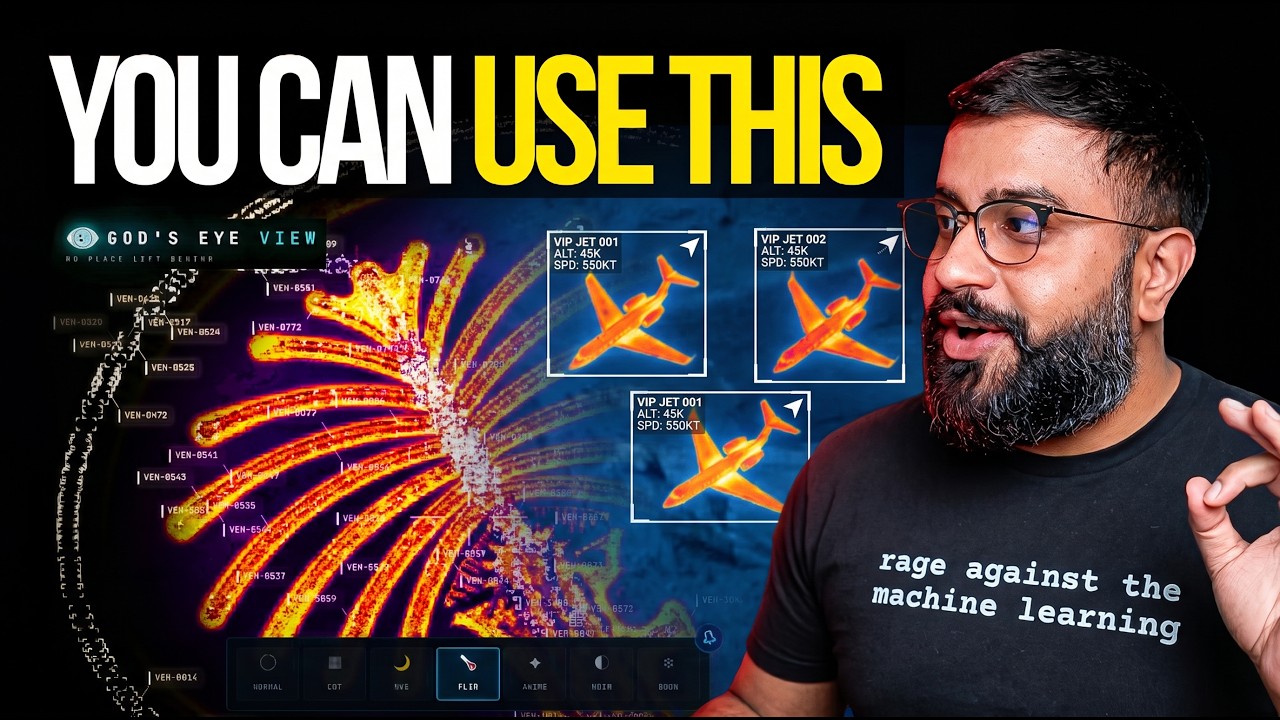
Hard to Defend Against: Small, agile, and often operating in swarms, these drones present an immense challenge. Conventional air defense systems are designed to track and neutralize larger, faster targets. Distinguishing between civilian drones and malicious ones further complicates the picture, creating a deadly game of “whack-a-mole” in the sky.
This creates an asymmetric threat in its purest form. A well-resourced nation might spend billions on a state-of-the-art F-35 fighter jet, only for it to be rendered vulnerable by a swarm of hundreds of commercially available drones. These drones, costing a fraction of the F-35’s radar signature, represent an economic and strategic imbalance. It’s a modern David vs. Goliath, demanding urgent rethinking of our entire defense posture.
Beyond the Battlefield: Broader Implications for National Security
Critical Infrastructure Vulnerability
Imagine coordinated drone attacks targeting power grids, communication networks, or transportation hubs. A swarm could disable a regional power station, plunging millions into darkness. Another could jam airport navigation systems, grounding flights nationwide. Such events, while not requiring the massive physical destruction of a 9/11, could cripple a nation’s ability to function, causing widespread economic disruption and societal panic. The precision targeting capabilities of drones, even simple ones, make this a very real and present danger, a silent economic weapon.
Intelligence Gathering and Persistent Surveillance
Miniature, silent drones can conduct pervasive surveillance, gathering intelligence on sensitive targets without detection for extended periods. A drone the size of a bird could loiter for hours, mapping troop movements or monitoring critical facilities. This “eyes in the sky” capability, accessible to almost anyone, fundamentally alters the landscape of espionage and operational security. Secrecy becomes a luxury.
The Erosion of Deterrence
If low-cost, rapidly deployable drones can bypass advanced defenses, what then of traditional military superiority? The deterrent value of aircraft carriers, stealth bombers, and advanced missile systems diminishes. This shift compels a radical reevaluation of our entire defense posture. We must move beyond merely protecting borders. We need to actively dominate the electromagnetic spectrum, develop novel counter-drone measures, and innovate at a pace never before seen.
The Imperative: Adapting to the Future of Conflict
So, what does this all mean for the United States? It’s a stark, undeniable call to action. We need a fundamental shift in mindset, moving away from a reactive stance. A proactive strategy embracing innovation and foresight is paramount.
Developing more sophisticated anti-drone technology is crucial, yes. But the solution extends far beyond that. It’s about:
-
Investing in AI and Machine Learning: To rapidly identify, track, and neutralize drone threats, particularly in complex swarm scenarios. Autonomous defense systems are no longer optional.
-
Rethinking Supply Chains: To enable agile, rapid prototyping and deployment of our own low-cost, high-impact counter-drone solutions. We need to out-innovate and out-produce adversaries.
-
International Collaboration: Sharing intelligence, developing joint defense protocols, and establishing common standards with allies. This is a truly global threat requiring a united front.
-
Public Awareness and Education: Recognizing the dual-use nature of commercial drone technology. Establishing clear, enforceable regulatory frameworks is essential to prevent misuse.
The threat of advanced drone warfare is no longer a distant sci-fi fantasy. It’s here. It’s evolving rapidly. It challenges the very foundations of modern security. The US has historically excelled at adapting to new military challenges – from submarine warfare to cyber threats. Now, more than ever, that ingenuity and determination are needed to secure our future against this silent, yet potent, revolution in conflict. The time for underestimation is over. The future is flying towards us, whether we’re ready or not.