Mark Zuckerberg just ignited the tech world, confirming Meta’s staggering acquisition of Singaporean AI agent startup, Manus, for over $2 billion. The bombshell? Meta simultaneously declared it would sever all of Manus’s existing ties with China. This isn’t just a tech acquisition; it’s a strategic earthquake. Is it a pure AI power play, a shrewd geopolitical chess move, or a calculated political gambit by Zuckerberg himself? Let’s dissect the layers.
Meta’s Latest AI Power Play: Welcome, Manus
Meta’s insatiable hunger for AI dominance is well-documented. From the open-source prowess of Llama large language models to their ambitious metaverse blueprints, artificial intelligence fuels every strategic pillar. The Manus acquisition, an AI agent powerhouse, slots perfectly into this high-stakes narrative.
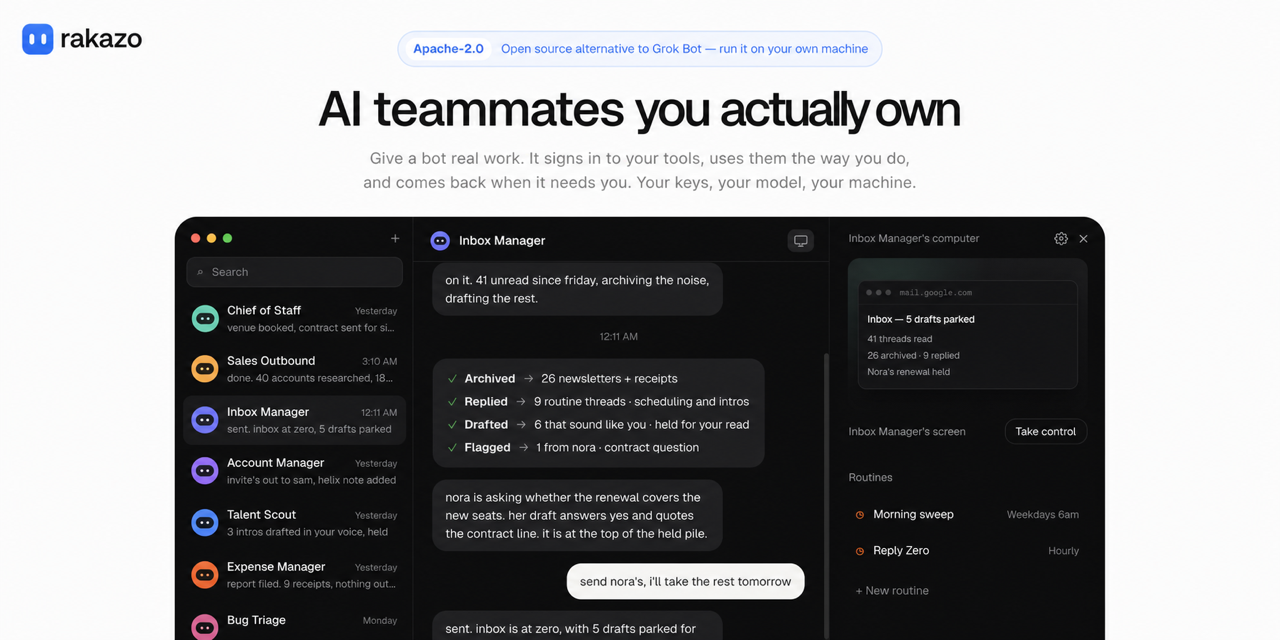
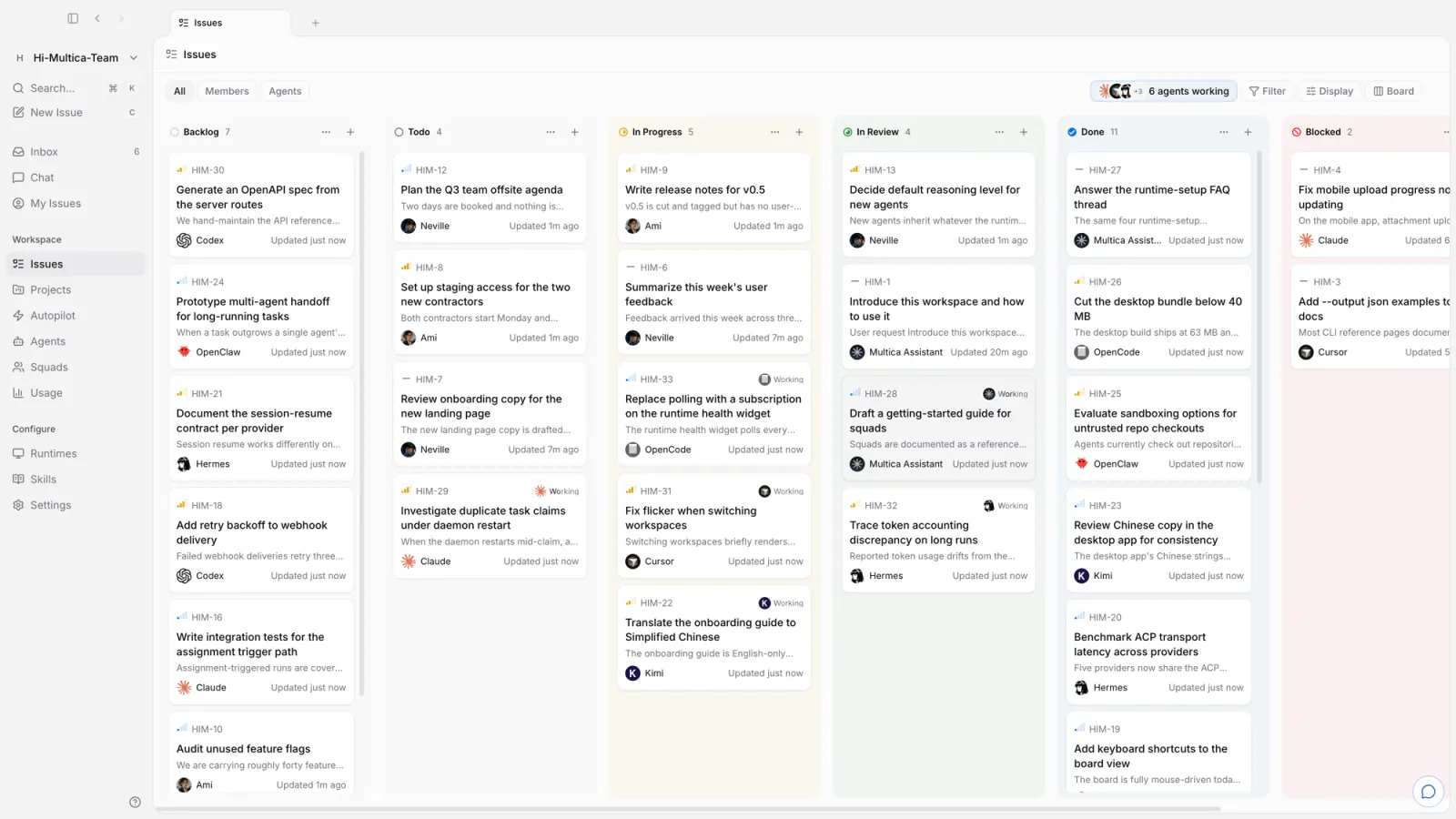
- What are AI Agents? Imagine a digital personal assistant that doesn’t just answer questions but acts on your behalf. These intelligent software programs comprehend intricate commands, plan multi-step actions, and autonomously execute tasks across various systems. They’re not merely reactive chatbots; they are proactive digital operatives, capable of orchestrating complex workflows for users.
- Why Manus? With an eye-watering $2 billion-plus price tag, Manus isn’t just another startup. While specifics of its proprietary tech stack remain shrouded, industry whispers point to groundbreaking advancements in autonomous automation, hyper-personalized user interfaces, and foundational agent architecture. This isn’t just an addition; it’s a core accelerant for Meta’s future AI products.
For Meta, integrating these sophisticated AI agents promises a seismic shift. Picture personalized content feeds that anticipate your interests, advertising that truly resonates, and metaverse interactions so intuitive they feel like magic. This isn’t about incremental improvements; it’s about transforming AI from a responsive tool into a proactive, indispensable partner across Meta’s sprawling ecosystem.
The Elephant in the Room: Severing China Ties
Here’s where the narrative pivots from Silicon Valley innovation to global geopolitics. Meta’s explicit, immediate commitment to “cut all ties with China” for Manus is not just unusual; it’s a thunderclap. What seismic implications does this signify?
- Geopolitical Realities: The global tech landscape is a minefield of “decoupling” between the U.S. and China. Governments, particularly Washington, now scrutinize every cross-border tech investment and data conduit with surgical precision. For a titan like Meta, guardian of billions of user profiles and a digital empire, demonstrating unwavering compliance with U.S. national security directives isn’t just important; it’s existential.
- Avoiding Regulatory Scrutiny: Companies entangled with significant Chinese operations, especially in hyper-sensitive sectors like advanced AI, face a gauntlet of regulatory hurdles and the specter of outright U.S. bans – TikTok serves as a stark, multi-billion-dollar cautionary tale. By surgically excising Manus’s China connections, Meta aims to preemptively inoculate itself, ensuring a pristine ‘Made in America’ profile for its burgeoning AI endeavors.
- Strategic Positioning: This isn’t just risk mitigation; it’s a declarative statement. Meta is signaling unequivocally to Washington and global markets: its AI future is firmly anchored within a strictly Western-aligned framework. It’s a calculated play to cement its status as a trusted, national-security-compliant American tech titan in the cutthroat global AI race.
The core question sharpens: Is this simply a pragmatic business maneuver to navigate a labyrinthine regulatory landscape, or does it conceal a far deeper political stratagem?
More Than Just Tech: The Political Undercurrents
The “China cut-off” narrative is inextricably linked to a broader, more volatile political landscape. Whispers of Mark Zuckerberg’s alleged attempts to “woo Trump” add another dimension. This isn’t merely a business transaction; it’s a high-stakes play for political capital.
As a potential shift in U.S. administration looms large, tech giants habitually hedge their political bets. Zuckerberg, a figure who has weathered relentless scrutiny and bipartisan calls for regulation, sees this as an opportune moment. Positioning Meta as an unassailable champion of American AI, meticulously purged of problematic foreign entanglements, could be a shrewd gambit. It might just purchase invaluable goodwill in a perennially skeptical Washington D.C.
So, is this a genuine strategic pivot, a fundamental reorientation of Meta’s global posture? Or is it a meticulously calculated PR maneuver, designed to curry favor and shield Meta from the regulatory storm clouds of a potentially returning Trump administration? The answer, likely, is both. In today’s hyper-politicized tech arena, every strategic business decision is draped in a political cloak.
What This Means for the AI Race and Beyond
This landmark acquisition, inextricably coupled with its potent geopolitical strings, illuminates several critical, unfolding trends:
- Acceleration of the AI Agent Trend: Brace for an explosion of investment and groundbreaking innovation in AI agents. Companies like Meta are aggressively pushing the frontiers of autonomous software, transforming mere tools into proactive digital partners.
- Heightened Geopolitical Stakes in Tech: The Manus deal serves as a chilling reminder: advanced technology, particularly AI, is no longer a neutral domain. It is inextricably interwoven with national security and international power dynamics. Corporations now face an inescapable imperative to choose sides, or at minimum, demonstrate unequivocal geopolitical alignment.
- Meta’s Aggressive AI Stance: This acquisition isn’t just a statement; it’s a declaration of war in the AI arena. It cements Meta’s unyielding intent to be a dominant, top-tier player, willing to deploy colossal investments and execute audacious strategic maneuvers to seize that position.
Ultimately, Meta’s Manus acquisition transcends a mere M&A transaction. It’s a meticulously crafted tapestry, intricately woven with threads of bleeding-edge AI, escalating geopolitical tensions, and sophisticated political maneuvering. Will this audacious gambit successfully propel Meta’s AI ambitions and deftly navigate the treacherous political landscape? Only time will tell. But one truth is undeniable: the high-stakes game of thrones in Silicon Valley just escalated dramatically.