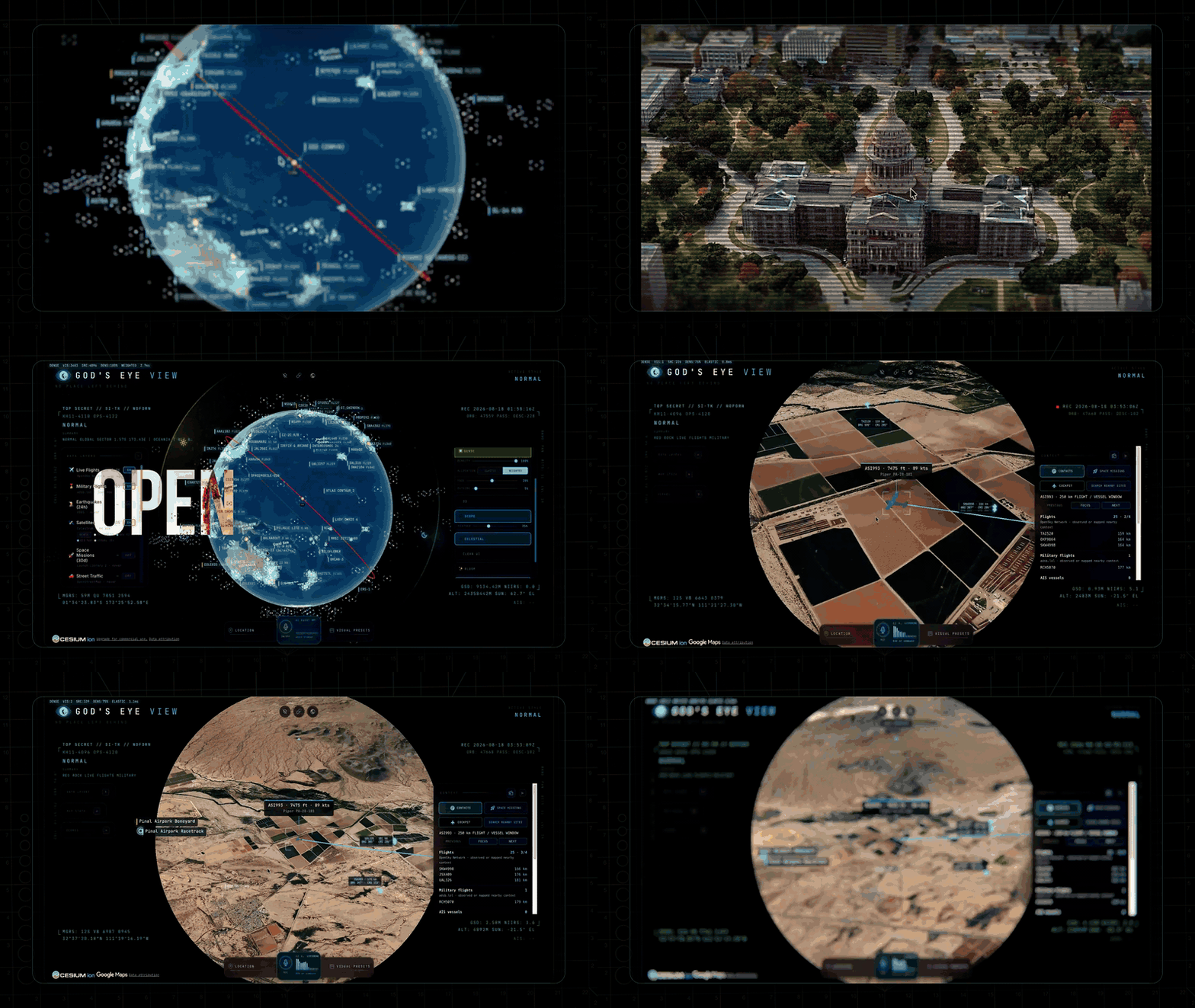
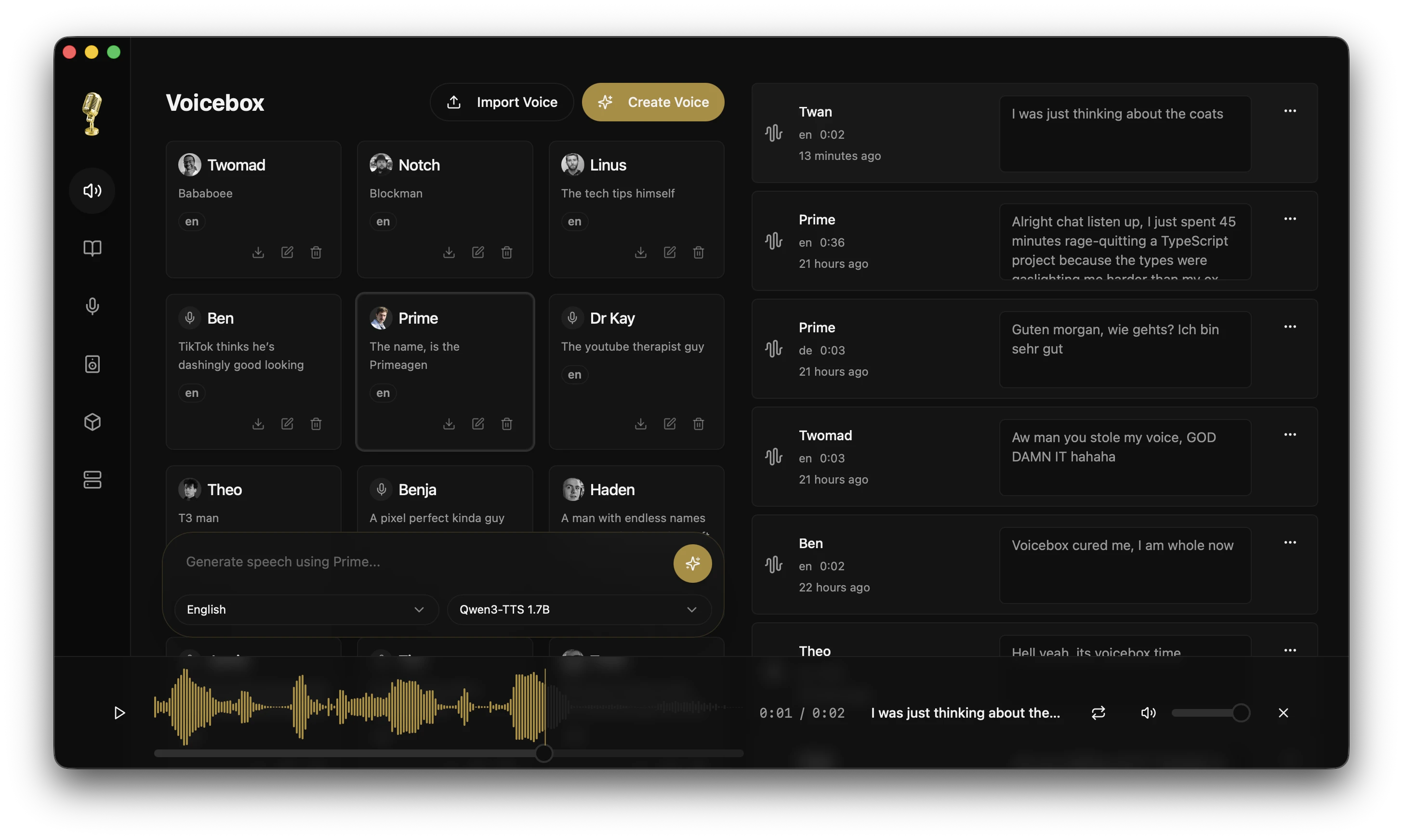
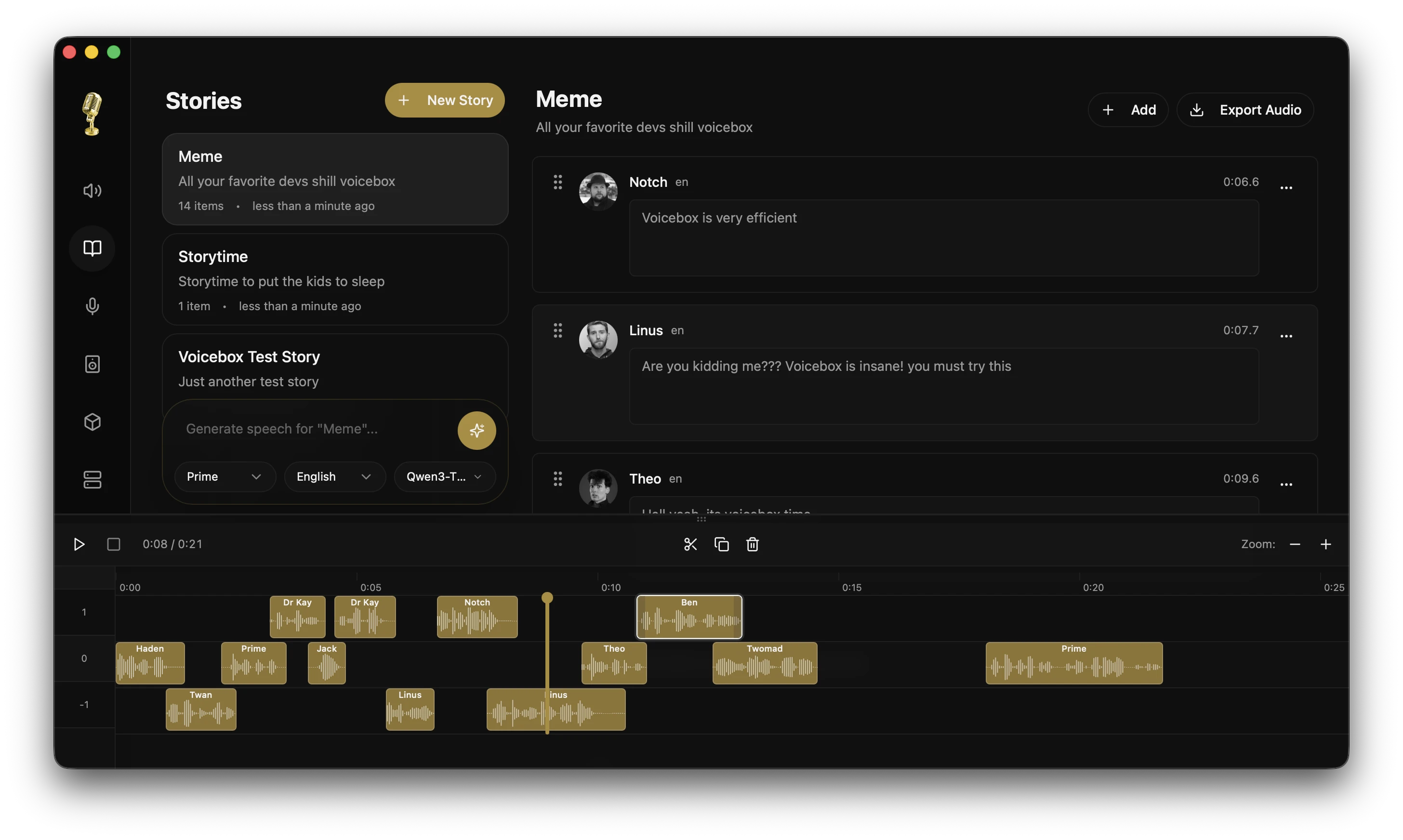
Those impossibly sleek, ‘vibe-coded’ smart homes? Custom dashboards, subtle automations, an aesthetic screaming ‘seamless living.’ I was captivated. Like many, I harbored a secret desire for a truly intelligent home. Yet, this dream often crashed against the sheer complexity of robust platforms like Home Assistant. For years, it felt like a secret club, reserved for the technically elite. I’d dip my toes, get instantly overwhelmed by arcane YAML, then retreat to simpler, less powerful smart plugs. But this month, everything shifted. Inspired by those bespoke setups, and armed with a new ally – Claude Code – I finally made the leap. The verdict? AI just democratized the smart home. For all of us.
The Allure of the ‘Vibe-Coded’ Smart Home
What *is* a ‘vibe-coded’ smart home? It’s far more than just smart devices. It’s an environment responding intuitively, harmonizing technology with your personal rhythm. Think automation that feels less like a rigid script, more like an extension of your intent. I’d seen projects: intricate ‘master command centers’ built on robust Lutron systems, even AI-controlled smart ovens anticipating dinner plans. These weren’t mere gadgets; they were deeply integrated ecosystems. Every light, every sound, every temperature setting contributed to a specific mood or function. Yet, the barrier remained: significant coding know-how. A skill I decidedly lacked.
My Home Assistant Headaches (Pre-AI)
Home Assistant is powerful. Open-source. Privacy-focused. But it’s also a beast. The learning curve? Less a curve, more a sheer cliff face. Especially for those uncomfortable with command lines and arcane configuration files. My attempts always began with boundless enthusiasm, invariably ending in utter frustration. YAML files delivered endless indentation errors. Templating languages felt like ancient hieroglyphs. Integrations stubbornly resisted my every effort. I craved personalized automations, a unified smart home. But the path felt impassable. The dream of a truly DIY smart home remained just out of reach for us non-coders.
Claude Code to the Rescue: An AI-Powered Transformation
Enter Claude Code: my unexpected hero. My smart home journey, once a tangle of forum dives and syntax errors, transformed into a simple, conversational process. I didn’t need to master Home Assistant’s configuration language. I simply told Claude what I wanted, in plain English. My first test? A classic: “When I unlock the front door after sunset, turn on the living room lights at 40% brightness and play my ‘Chill Evening’ Spotify playlist on the Sonos in the living room.” I typed it. Claude responded. Not with a documentation link, but with perfectly formatted Home Assistant YAML, ready to copy-paste. It felt like having a seasoned smart home developer sitting right beside me. Suddenly, complex automations—once hours of trial-and-error, usually ending in failure—were drafted in minutes. Integrate a new smart plug? Ask Claude. Conditional automation based on weather? Claude handles the logic. This isn’t just code generation; it’s translating human intent into functional tech, bridging desire and execution.
Beyond the Code: Why This Matters for Smart Home Adoption
This isn’t merely a personal triumph. It’s a seismic signal for the entire smart home industry, and for tech integration at large. AI agents like Claude are fundamentally reshaping how we interact with complex systems. They’re converting intimidating configuration into intuitive natural language prompts. This makes sophisticated home automation accessible to a vastly wider audience. Imagine: millions more non-coders, suddenly able to customize their environments. Crafting truly personalized experiences. Unlocking the full potential of their smart devices. This could be the catalyst. The one pushing smart home adoption beyond its current niche, transforming it into a mainstream reality. AI isn’t flawless, true. A basic system understanding still helps. But the barrier to entry? Dramatically lowered.
The Future is Conversational Home Automation
My smart home journey, once stalled by code phobia, is now actively thriving. All thanks to AI’s generous assist. I’m building automations I never thought possible. My home finally feels ‘vibe-coded,’ truly reflecting me. The future of home automation isn’t just smarter devices; it’s smarter *interfaces*. Interfaces empowering everyone, regardless of technical background, to craft their ideal living space. On the fence about Home Assistant? Hesitant to build your own elaborate smart home? Now is the time. Give an AI like Claude Code a shot. You might just surprise yourself.