Silicon Valley is abuzz: Riley Walz, the enigmatic software engineer famously dubbed the ‘Jester of Silicon Valley’ for his viral online stunts, has officially joined OpenAI. This isn’t merely another high-profile tech transfer; it’s a fascinating development poised to profoundly reshape how we interact with artificial intelligence. Walz’s mission at the company behind ChatGPT? To research and develop groundbreaking new paradigms for human-AI interaction.
Why is this a seismic shift? It signals a crucial evolution in AI development. While raw power of large language models like GPT-4 has mesmerized the world, the true next frontier isn’t just smarter AI; it’s making AI intuitive, engaging, and genuinely human-friendly. Who better to pioneer this than a disruptor known for viral user engagement and challenging digital norms?
Who is Riley Walz, the ‘Jester of Silicon Valley’?
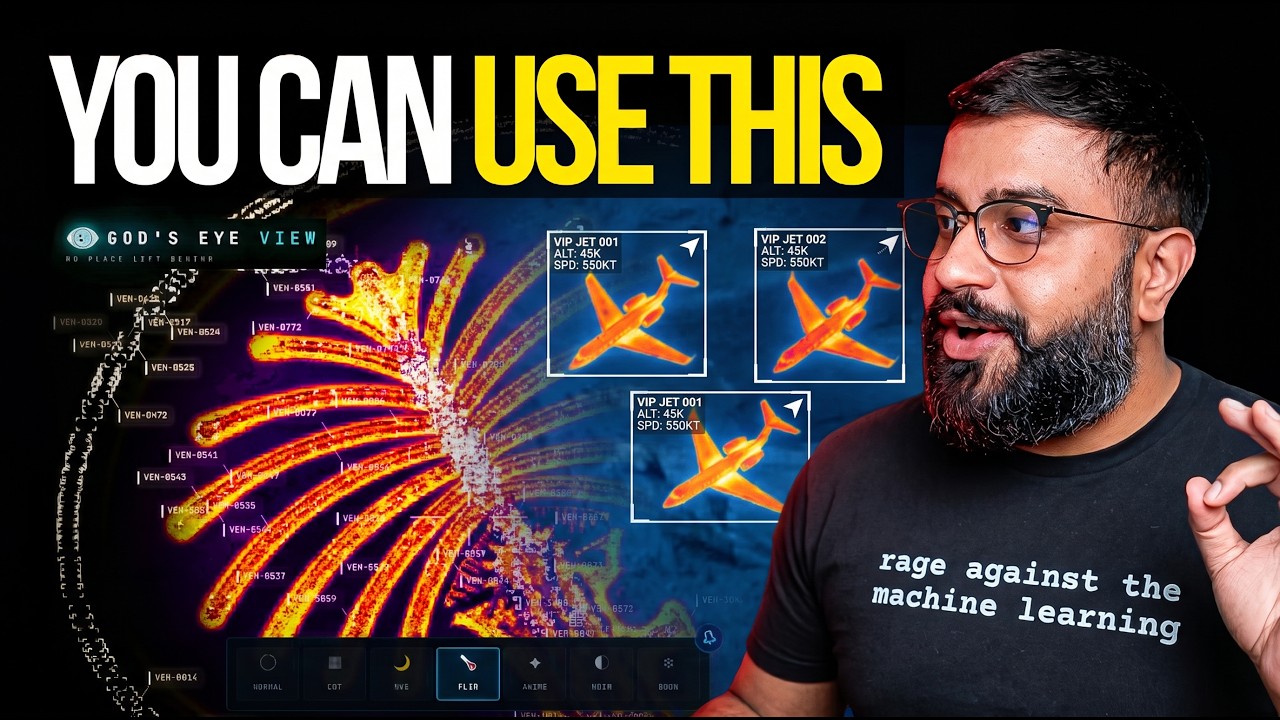
Unfamiliar with Walz’s unique brand of digital artistry? He’s a software engineer whose reputation eclipses traditional code. His ‘jester’ moniker stems from audacious, often humorous, and always thought-provoking online stunts. These weren’t mere pranks. They were viral experiments in human behavior, digital interaction, and perception, consistently pushing boundaries and revealing deeper insights into our tech-driven lives.
Imagine: absurdly simple apps that explode across the internet, clever social media interventions that redefine engagement, or tools that fundamentally challenge digital identity. Walz possesses a rare knack for dissecting internet culture’s subtle currents. He leverages this to craft sticky, memorable, and often profound user experiences. It’s not merely efficient code; it’s a deep understanding of the *human* element behind every screen.
OpenAI’s Next Frontier: The Human Element
OpenAI has unleashed incredibly powerful AI systems: ChatGPT, DALL-E, and others. Yet, their true challenge isn’t just raw capability. It’s how seamlessly and intuitively humans can harness them. Frankly, interacting with AI often feels clunky, akin to conversing with a hyper-intelligent but rigid automaton. This friction limits broader adoption.
This is precisely where Walz’s expertise becomes invaluable, a strategic masterstroke. OpenAI isn’t merely chasing bigger models or faster processing. They’re explicitly investing in a future where AI transcends a mere tool, becoming an extension of human creativity and productivity that feels natural, even delightful. Walz’s proven ability to craft viral, engaging experiences perfectly aligns with this vision. He’s the bridge builder, connecting labyrinthine AI algorithms with intuitive, user-centric interfaces, transforming AI interaction from a chore into an organic, collaborative dance.
What This Means for OpenAI and the Future of AI UX
Walz’s arrival at OpenAI heralds a future where human-AI interaction vastly transcends simple text prompts. Envision:
- Intuitive Interfaces: AI interpreting context, nuance, even emotional cues in our interactions.
- Creative, Playful Interactions: AI tools that don’t just serve utility but spark wonder, fostering genuine human-AI collaboration.
- Seamless Integration: Embedding AI into daily workflows and creative processes. Less like software, more like brainstorming with a hyper-intelligent co-pilot.
This hire emphatically underscores OpenAI’s commitment to user experience and accessibility. By integrating Walz’s unconventional, yet deeply insightful approach, they’re signaling a strategic pivot: making AI not just powerful, but profoundly *relatable*. This is a potential game-changer, poised to set a new industry standard for AI product design and widespread adoption.
The Impact Beyond OpenAI
Walz joining OpenAI isn’t merely a corporate coup; it’s a resounding message to the entire AI industry. The era of focusing exclusively on raw model performance is rapidly evolving. Now, the spotlight shines brightly on human-AI synergy, on making these incredible technologies genuinely useful, enjoyable, and accessible for everyone.
This pivotal move highlights that the next wave of AI innovation demands creativity, deep user psychology, and a fierce willingness to challenge established norms – qualities Walz embodies perfectly. We stand on the cusp of a truly exciting period for AI development, where the ‘jester’ might just illuminate the path to a more human-centric technological future. How will *you* connect with AI next?