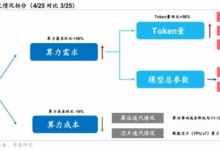
从 Token 角度,测算 AI 算力需求
本报告旨在提供一个推理算力需求从用户渗透到 Token 调用、再到硬件支出的分析框架,我们通过对 Google 与微软(OpenAI)未来 Token 调用量、算力总需求和未来硬件支出节奏的测算,得出结论:推理算力需求增长速度快于单位算力成...
本报告旨在提供一个推理算力需求从用户渗透到 Token 调用、再到硬件支出的分析框架,我们通过对 Google 与微软(OpenAI)未来 Token 调用量、算力总需求和未来硬件支出节奏的测算,得出结论:推理算力需求增长速度快于单位算力成...

2025 年,生成式 AI 像极了蒸汽机时代的铁轨——喧嚣、加速,方向却依旧扑朔。张最新收入榜单——全球 100 个 AI 产品与中国 100 个 AI 产品给出了清晰坐标。 1.缺口 全球AI产品榜单全年订阅收入 131 亿美元。中国AI...
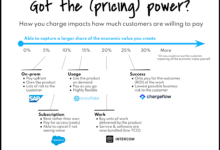
由于价值错位和成本压力,传统的定价方式正在失效。软件公司对全新颠覆性定价模式的需求比以往任何时候都更高涨。 最近,国外科技作者 Kyle Poyar 收集了超过 240 家软件公司的数据,这些公司的年经常性收入(ARR)在 100 万至 2...

喜马拉雅资本创始人:李录 谢谢姜国华老师,也谢谢常劲老师,以及所有让这门课程得以实现的老师、同行和参加这门课程的同学!今年姜老师来美国访问时,我们聊到,这门课开设十年来,在学界和业界都产生了一定影响,今年申请线上听课的人数已经超过了1000...

作者郎瀚威,现居美国硅谷Palo Alto 2024年是人工智能(AI)领域取得突破性进展的一年。随着技术的不断进化,AI不仅进一步渗透到生产力工具、教育、娱乐等垂直赛道,还推动了全球商业生态和用户行为的深刻变革。本报告基于Similarw...

德勤近期发布报告《 How AI agents are reshaping the future of the work》,重点阐述了Generative AI的扩展功能、应用场景和对企业影响。报告关键要点: 如何利用GenAI重新设计业务...

摘要 生成性人工智能(Generative AI)作为一种突破性技术,正以前所未有的速度和规模影响全球经济和社会结构。自ChatGPT推出以来,人们对生成性AI的潜力和风险展开了广泛讨论。本报告通过调查超过25,000人,探讨了人们对生成性...
今天榜上 skills 合集还在刷屏,我挑的是另一类:真能干一件具体活的工具。一个让 Agent 帮你跑端到端测试,一个让 Agent 出能拿去加工的 CAD 文件,两个跟「本机跑大模型」有关,最后是两个国内开发者做的实用软件:下载器和 A 股量化工作台。
星数是 10 月 5 日上午 GitHub 接口的快照。
约 3200 星,Apache-2.0,TypeScript。测试里可以直接写「把工作区升级到 Pro」,Agent 去点页面,后面照样能用定位器和断言核对结果。我觉得最聪明的一点是:一个 Agent 步骤被后面的断言验证通过后,会把动作录下来,下次直接回放,不再调模型,直到页面变了才重新让 Agent 走。这样 CI 成本和不稳定都压下来不少。
Web 端走 Playwright(Chromium、Firefox、WebKit),移动端走 iOS 模拟器和 Android 模拟器,还有把结果贴到 PR 评论的 reporter。模型用你自己的订阅、API key 或本地模型。
适合 Playwright 选择器写到想吐、页面又老改版的前端和测试同学。起步一条命令:
npx e2e init
坑:还没到 1.0,作者明说小版本之间 API 和配置都可能变。CLI 默认发匿名使用数据,不想要就设 E2E_TELEMETRY_DISABLED=1。Agent 步骤第一次跑要花模型钱,别一上来就把整套回归都改成自然语言。
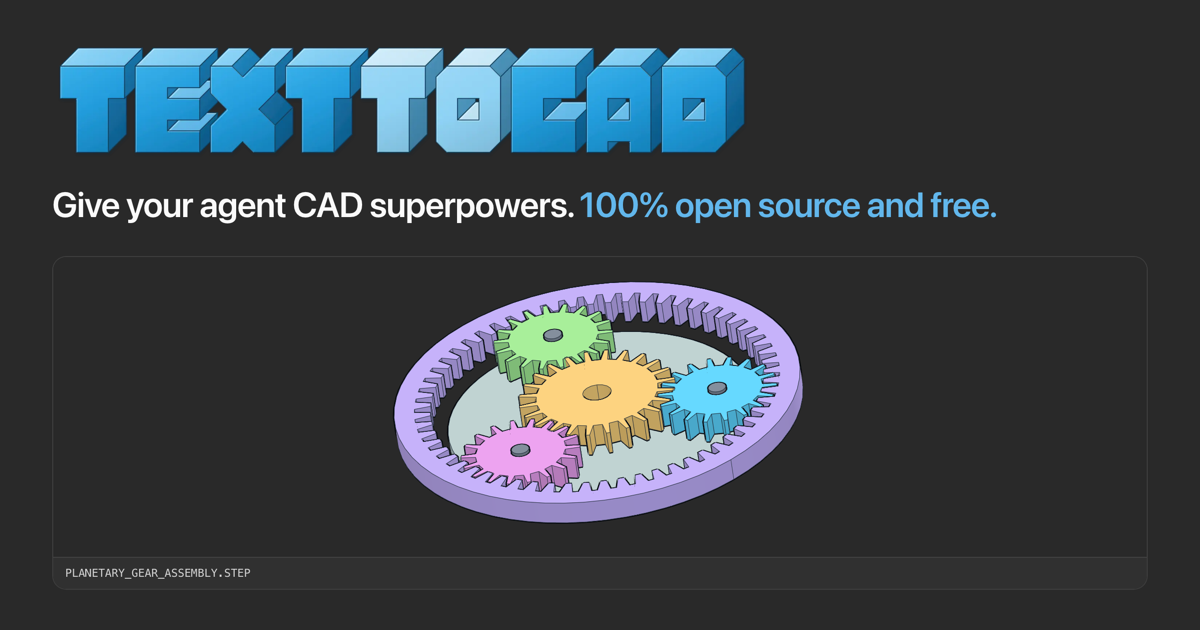
约 1.7 万星,MIT,Python。它是一套插件加 skills,装进 Claude Code、Codex、Cursor、Gemini、Grok Build 之后,Agent 能在本机生成 STEP、STL、3MF、GLB,还能出带尺寸的工程图 PDF、DXF 切割图,做 3D 打印和钣金、CNC 的可制造性检查,甚至切片后发给拓竹打印机。底层是 build123d 加 OpenCascade,不是糊一个看着像的网格。
适合会点建模但懒得开 SolidWorks 的硬件玩家、做机器人要写 URDF 的人,以及想让 Agent 先出一版零件再自己精修的工程师。Claude Code 里装:
claude plugin marketplace add earthtojake/text-to-cad
claude plugin install text-to-cad@earthtojake
坑:依赖 uv,第一次启动要联网下 CAD 运行时。插件和单独 skills 只装一种,两样都装每个 skill 会出现两次。Windows 11 默认开着的「智能应用控制」会拦掉 OpenCascade 的未签名模块,要么关掉它(关了只能重装系统再开),要么去 WSL 里跑。Codex 要 0.142.0 以上,旧版本会静默跳过这个插件。
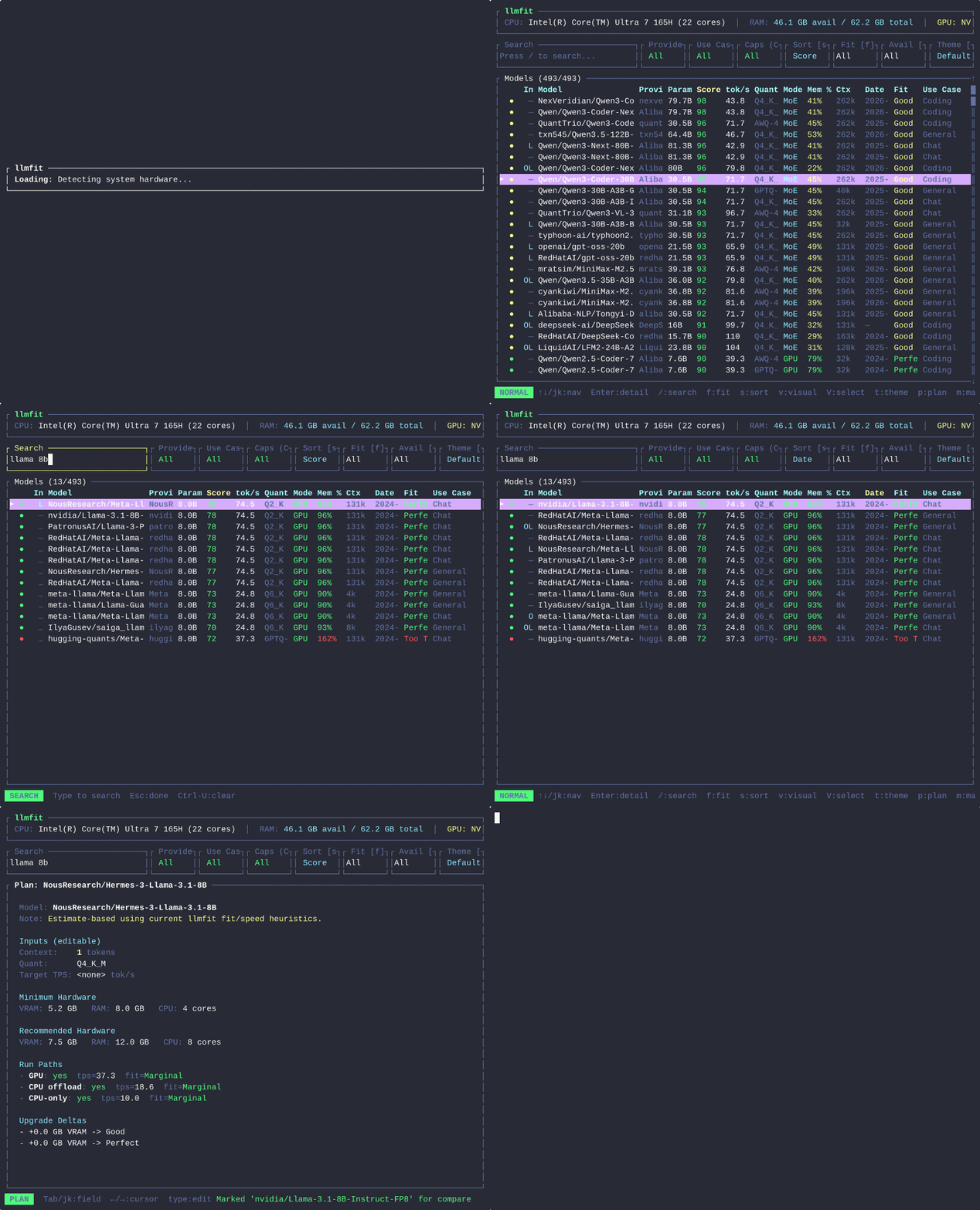
约 3.8 万星,MIT,Rust。它读你的 CPU、内存、显卡和显存,再按参数量、上下文长度和量化格式(GGUF、AWQ、GPTQ、EXL2)估内存占用和速度,告诉你哪些模型在这台机器上能舒服地跑。有终端界面、网页面板,也有 JSON 接口方便脚本调用,能对接 Ollama、llama.cpp、MLX、LM Studio。
适合每次想试本地模型都要在 Reddit 上翻「16G 能跑啥」的人。装完直接敲 llmfit 进界面,想给脚本用就:
llmfit recommend --json
坑:它给的是估算,不是承诺。新出的 bench 功能可以在你机器上实测 tok/s,真要定配置以实测为准。MoE 模型和多卡的估算误差会更大一些。
约 2.3 万星,MIT,C。项目叫 DwarfStar,作者是 Redis 的 antirez。思路和 llama.cpp 反着来:不做通用的 GGUF 运行器,只把少数几个最好的开源权重模型在消费级硬件上跑到极致,主打 DeepSeek V4 Flash,也支持 GLM 5.x、DeepSeek V4 PRO 和 Qwen3.8 Flash Next。自带命令行对话、HTTP 服务,还有一个直接跑推理的原生 coding agent ds4-agent。
适合手上有 96GB 以上内存的 Mac、DGX Spark 或 Strix Halo 小主机,想在本地跑真正大号模型的人。可以先用上面的 llmfit 看看自己够不够格。Mac 上大致是:
make && ./download_model.sh ds4f-q2
坑:门槛就是硬件,Metal 主要目标是 96GB 以上的 Mac,小内存机器得靠 SSD 流式加载,速度会掉。只能用项目自己产出的 GGUF,不能随手拿别处的文件。作者明说是 beta 质量、大量用 AI 写代码,也说模型支持是「随大流」,有更好的就会替换旧的。主分支最近一次提交在 9 月 20 日,更新节奏是一阵一阵的。
约 3800 星,AGPL-3.0,Rust。国内独立开发者做的多协议下载器:HTTP、FTP、BT 磁力、eD2K、HLS 和 DASH 流媒体都能下,下载时动态切分段,空闲线程会接管慢的那段。桌面端用 GPUI,安卓用 Flutter,NAS 上有 Docker、群晖、威联通、OpenWrt 包,浏览器有 Chrome、Edge、Firefox 扩展。它还内置 MCP 服务,Claude、Cursor 这类客户端可以直接管下载队列。
适合 Windows 上还在找 IDM 平替、或者想在 NAS 上挂一个带网页管理的下载器的人。去 Releases 下安装包就行,NAS 上用仓库自带的 Compose:
docker compose -f docker/docker-compose.yml up -d
坑:作者写明它「不是零遥测应用」,匿名安装和日活统计可以在设置里关掉。NAS 版首次打开要设访问密钥,最好在内网初始化完再对外开,远程访问套一层 HTTPS 反向代理。AGPL 协议,想改了拿去做服务要注意开源义务。
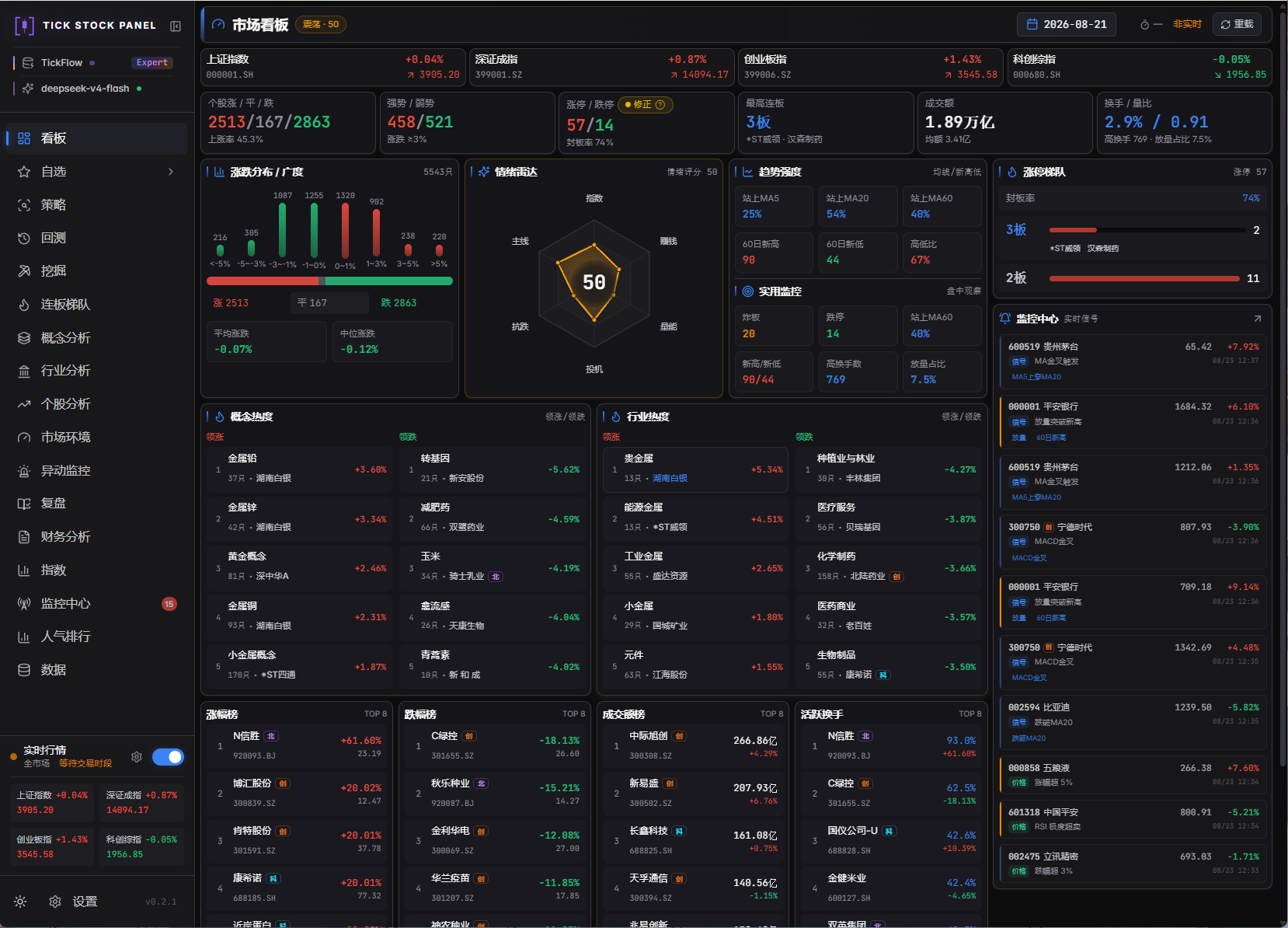
约 5600 星,MIT,Python。一个 Docker 容器装下选股、回测、盘中异动监控、因子挖掘和 AI 对话助手,数据落本地 Parquet,不用另起数据库。有 25 个内置策略,回测考虑 T+1、费用和滑点;还开放了 61 个接口和 12 个 MCP 工具,权限分六档,模拟盘交易特意没交给 AI。
适合会写点 Python、想把选股到复盘串成一条线,又不想把数据放到云端平台上的个人量化玩家。试用一条命令:
docker run -d --name tsp -p 3018:3018 -v ${PWD}/data:/app/data ghcr.io/shy3130/tick-stock-panel:latest
坑:作者自己说了,这不是投资软件也不是看盘软件,不做荐股和涨停预测,只供学习研究。数据要自己接,官方示例是 TickFlow SDK 和同花顺 REST,README 里的 TickFlow 链接带推广码,账号和费用自己看清楚。stock-sdk 插件出于合规默认不打包。回测好看不等于实盘能赚。
榜上还是 Agent 周边居多,但今天切口更散一点:有人把资深工程师的工作流写成可安装技能;有人做「遥控本机 Agent」的控制面;Cloudflare 把自己内部用的 AI 生产力环境开源了。另外三格是完全离线的语音输入、给 Agent 用的反检测浏览器,以及一份面向国知局流程的中国专利 Skill。
每个只写值得打开的理由。星数是 10 月 4 日上午仓库页快照。
约 10.1 万星,MIT。Addy Osmani 把「先写规格、再拆任务、再实现、再验证、再审查、再上线」压成一串 slash 命令和 25 个技能:/spec、/plan、/build、/test、/review、/ship,外加 webperf、代码简化等。技能也会按你在干什么自动挂上,比如做 API 就触发接口设计那套。不是又一份 prompt 合集,而是想让 Agent 跨阶段都按同一套质量门走。
适合已经在用 Claude Code / Cursor / Codex,但嫌 Agent 一上来就乱写、缺少规格和测试纪律的人。最快安装:
npx skills add addyosmani/agent-skills
坑:只装单个 skill 时,仓库级 references/ 检查清单不会一起拷过去,补充材料路径会断(issue #361)。Claude Code 走 marketplace 默认 SSH,没配密钥就用 HTTPS URL。Cursor 要放进 .cursor/skills/,别把整份 skill 粘进 rules。/build auto 仍要你批准计划,失败或高风险步骤会停,不是「全自动无人看」。
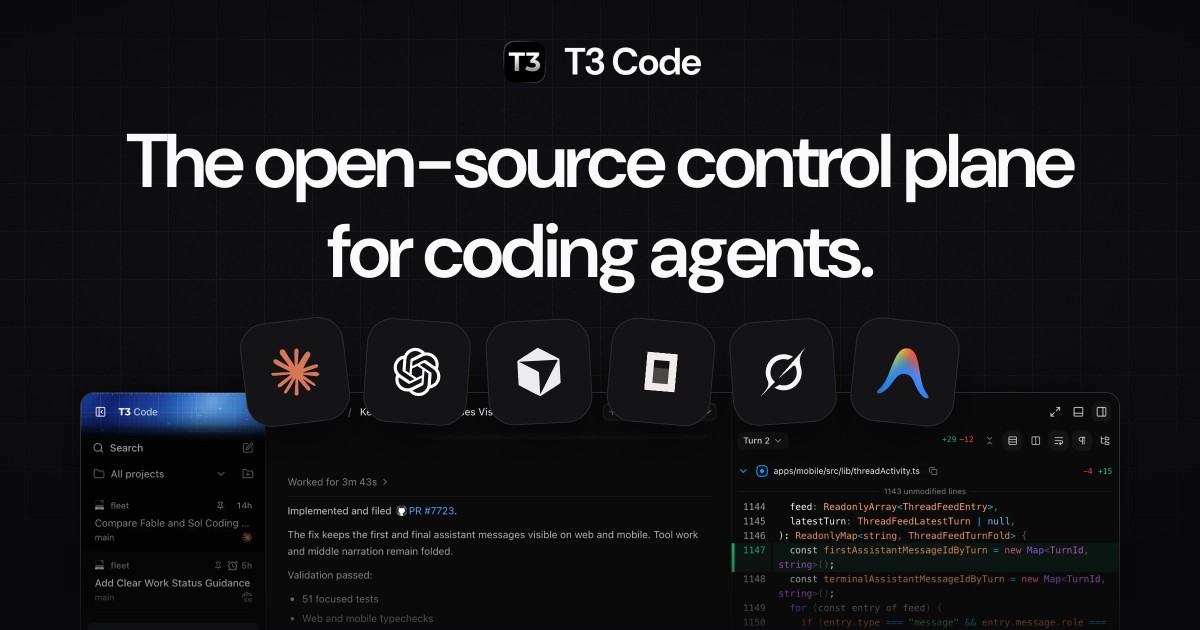
约 2.5 万星,MIT,TypeScript。Theo 团队做的 agent harness 控制面:桌面、Web、iOS/Android 都能驱动你电脑上已经登录好的 Claude Code、Codex、Cursor、Grok Build、OpenCode、Antigravity。它不卖模型额度,前提是本机这些 CLI/工具你自己装好并登录。
适合手上有多个 coding agent、想在沙发上或另一台机器接着盯任务的人。命令行一键:
curl -fsSL https://t3.codes/install.sh | sh
坑写得很直白:项目非常早期,会有 bug;大功能贡献暂时不接。用之前至少要有一个 provider 装好并 login。远程访问等于把本机 agent 权限露出去,权限模式和网络安全要自己看文档。
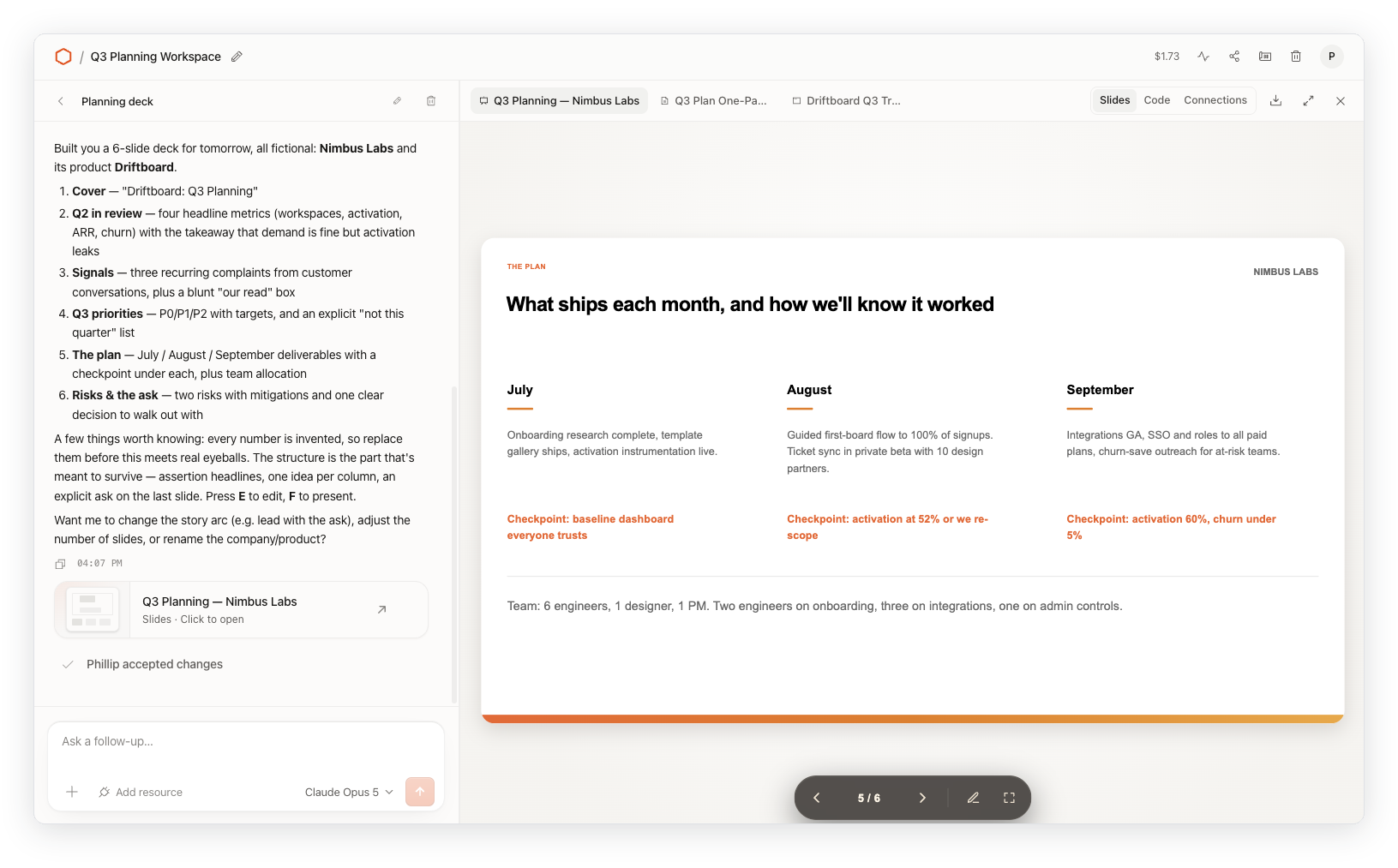
约 1.1 万星,Apache-2.0。这不是桌面 OS,而是 Cloudflare 内部大量同事在用的 AI 生产力环境:带公司上下文的 Agent 聊天、沙箱里生成可改的小应用(他们叫 Gadget)、以及叫 Gatekeepers 的能力安全层——对外接服务做窄授权、审计,还能先本地模拟副作用,等人回头批量批准,少逼你开 --dangerously-skip-permissions。开源意图是让你 fork 成「自己公司的 OS」,不是让全世界共用一个 Cloudflare OS 实例。
适合安全团队睡得着、又想让非技术同事也能放心用 Agent 的公司,以及想研究 Workers / Durable Objects / Dynamic Workers 怎么撑这类产品的人。本地快速看一眼:
pnpm run-local
然后打开 http://localhost:8787。坑:early access,v2 是重写,边角还很多;本地 wrangler 栈不叫生产部署。真要落地得接自己的身份、集成和 Gatekeeper,工作量不小。
约 3.3 万星,MIT,Rust。按快捷键说话,松手后用本机 Whisper 或 Parakeet 转写,直接贴进当前输入框。VAD 用 Silero 滤静音,可 GPU 加速,Windows / macOS / Linux 都有。口号很清楚:免费、开源、可扩展、声音不出本机。
适合讨厌云端听写、又想在任何 App 里打字的人。macOS 常见安装:
brew install --cask handy
坑:Homebrew / winget 包不是作者本人维护。第一次要给麦克风和无障碍权限。模型要本地下载,大模型吃内存和磁盘。Debian 装 .deb 用 apt install ./Handy_*.deb,别只 dpkg -i 然后缺依赖。

约 1.1 万星,MIT。基于 Camoufox(在 C++ 层改指纹的 Firefox),外面套一层给 Agent 用的 REST:无障碍树快照、稳定元素 ref、会话隔离、Cookie 导入、可选代理与 GeoIP,还有 OpenClaw 插件。闲置时浏览器可卸掉,内存压到大约几十 MB,适合和小工具挤在同一台小机器上。
适合需要 Agent 真打开网页、又经常被 Cloudflare / 反爬拦下来的人。最快试:
npx @askjo/camofox-browser
坑:绕过站点防护可能触犯目标站 ToS,合规自负。默认会有匿名崩溃遥测(域名哈希、去路径),不喜欢就设 CAMOFOX_CRASH_REPORT_ENABLED=false。YouTube 字幕快路径要本机有 yt-dlp。这是自动化武器,不是「随便扫别人站」的通行证。
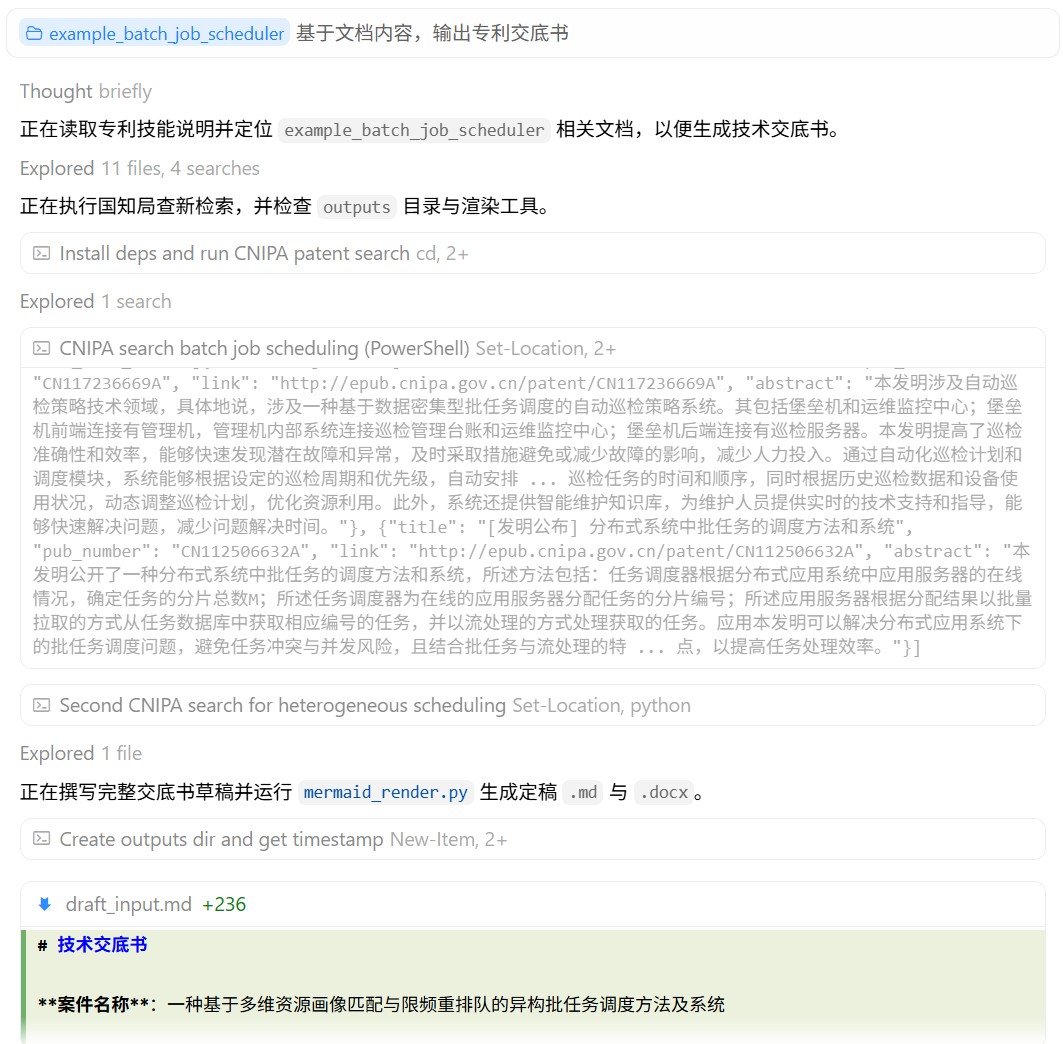
约 1.1 万星,MIT,Python。按 Agent Skills 规范做的「中国专利」技能包:从项目材料挖专利点,写发明 / 实用新型 / 外观交底(Markdown + Word + 框图),也能通俗解读公开专利、进 Obsidian 做成私有知识库,并带查新、政策与答复辅助。默认发明交底路径会走国知局检索相关步骤。
适合在国内写交底、又不想每次从零拼模板的研发和 IP 同事。Claude Code 安装示例:
mkdir -p .claude/skills
git clone https://github.com/handsomestWei/patent-disclosure-skill.git .claude/skills/patent-disclosure-skill
坑:完整出图和查新要 Python 3.9+、pip install -r requirements.txt,以及本机 Chrome 或 Edge;不是「只丢 SKILL.md 就能跑完」。产出是辅助材料,不能替代专利代理的专业判断和正式递交。国知局页面与政策会变,以当前脚本和官方渠道为准。
今天榜上还是 Agent 周边,但切口不重复:有人解决「模型出不去网」;有人专砍废话和日志 token;有人把营销方法论塞进 Skills;有人做订阅配额中转。另外两格是 OpenAI 的终端 Codex,以及 DeepSeek 刚放出来的插件化 harness。
每个只写值得打开的理由。星数是 10 月 3 日上午仓库页快照。

约 8.9 万星,MIT,Python。AI 写代码已经顺了,但你让它「看看这条推特」「总结这个 B 站视频」「搜搜小红书口碑」,它往往就抓瞎:API 要钱、匿名接口 403、要登录、字幕拿不到。Agent Reach 不当又一个爬虫包装层,而是能力层——替你选当下最稳的接入、装好、用 doctor 体检;某个平台后端挂了就换备选,你少重踩一遍。
适合 Claude Code、OpenClaw、Cursor 这类能跑命令行的 Agent,又懒得为 Twitter/Reddit/B站/小红书各自搭一套工具链的人。上手是把安装说明丢给 Agent:
帮我安装 Agent Reach:https://raw.githubusercontent.com/Panniantong/agent-reach/main/docs/install.md
坑不少。别从 PyPI 装同名包,那不是这个项目。默认安装只检查环境,真要改系统得显式加 --system。OpenClaw 要先开 exec 权限。Cookie 类平台有封号风险,用专用小号;Reddit 已经没有零配置匿名路。平台规则会变,以 agent-reach doctor 当前路由为准。

约 10.9 万星,Apache-2.0。口号很直白:why use many token when few do trick。一边是 skill,让 Agent 回答像洞穴人——诊断和修复还在,开场白没了;一边是本机 proxy,把日志、测试输出、JSON、diff 在进模型前压短,原文留在本地可取回。代码、路径、报错原文和安全确认不会被「洞穴化」。JetBrains 曾测过仅 skill 对质量几乎无伤,也提醒账单大头往往在「读」而不在「说」,所以后来才有 proxy。
适合按 token 计费、长会话狂刷日志的人。最小一步:
npx skills add JuliusBrussee/caveman -g
坑:按次计费的产品(比如某些 Copilot 请求)省字不省钱;极短问答可能被 skill 规则本身的输入 token 吃掉。完整安装器要 Node 22.13+。CLI 默认开遥测,不喜欢就 caveman telemetry off。营销页上的「省六成」别直接写进预算,以你自己的 A/B 为准。
约 5.2 万星,MIT。这不是又一份「awesome marketing prompts」,而是按 Agent Skills 规范写的一整柜营销技能:CRO、文案、SEO/AEO、广告、分析、定价、冷邮件等。地基是 product-marketing,别的 skill 会先读你的产品、受众和定位再动手。作者 Corey Haines,面向已经会用 Claude Code / Codex / Cursor 的技术营销和创始人。
适合「Agent 会写代码,但落地页和增长文案一塌糊涂」的人。Claude Code 建议显式指定宿主:
npx skills add coreyhaines31/marketingskills -a claude-code
坑:在 Agent 对话里跑安装器,有时只写到 .agents/skills/,Claude Code 读不到。/plugin 只在交互式 CLI 里有,Web 版没有。v2 重命名过一堆 skill,从 v1 升级会留下旧目录要手动清。仓库有赞助合作方区块,别把披露过的集成文案当成唯一正解。
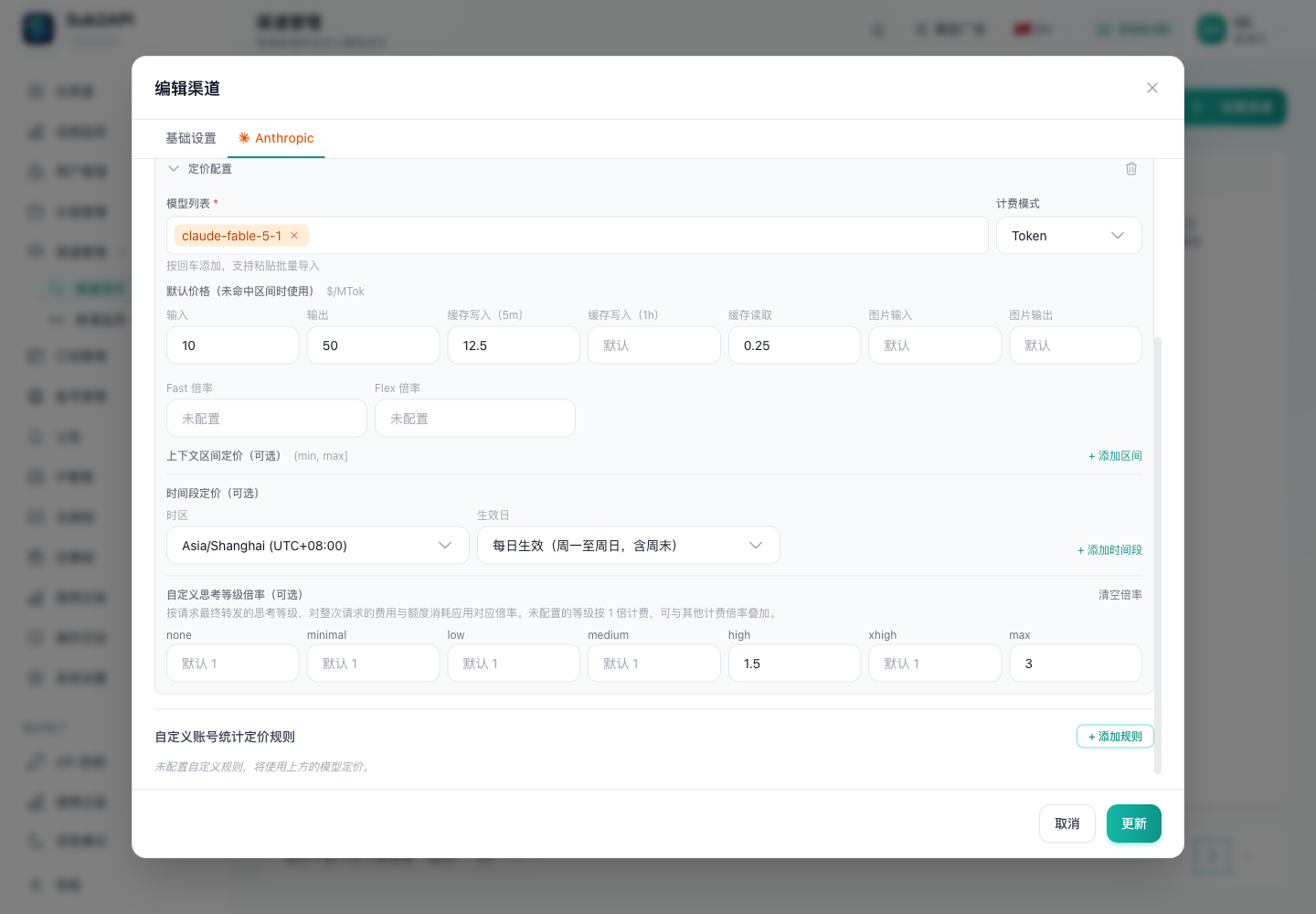
约 4.3 万星,LGPL-3.0,Go + Vue。定位很清楚:多账号订阅进来,平台发出去 API Key,做鉴权、token 级计费、粘性调度、并发和限速,后面接 Claude / OpenAI / Gemini / Grok,前面给 Claude Code、Codex 这类工具用。管理后台和支付能力也往里收了。技术上是一站式中转,故事上常被说成「拼车分摊订阅」。
适合有运维能力、想自建配额分发的小团队——前提是你自己读完合规段。Docker 一键大致是:
curl -sSL https://raw.githubusercontent.com/Wei-Shaw/sub2api/main/deploy/docker-deploy.sh | bash
坑写在 README 最上面:可能违反上游服务条款,封号与中断自负;项目声明仅供学习研究、无商业授权。还要自备 PostgreSQL 和 Redis(或 Compose)。许可证是 LGPL-3.0,二次分发前先搞清楚义务。这不是「正规云厂商 SLA」替代品。
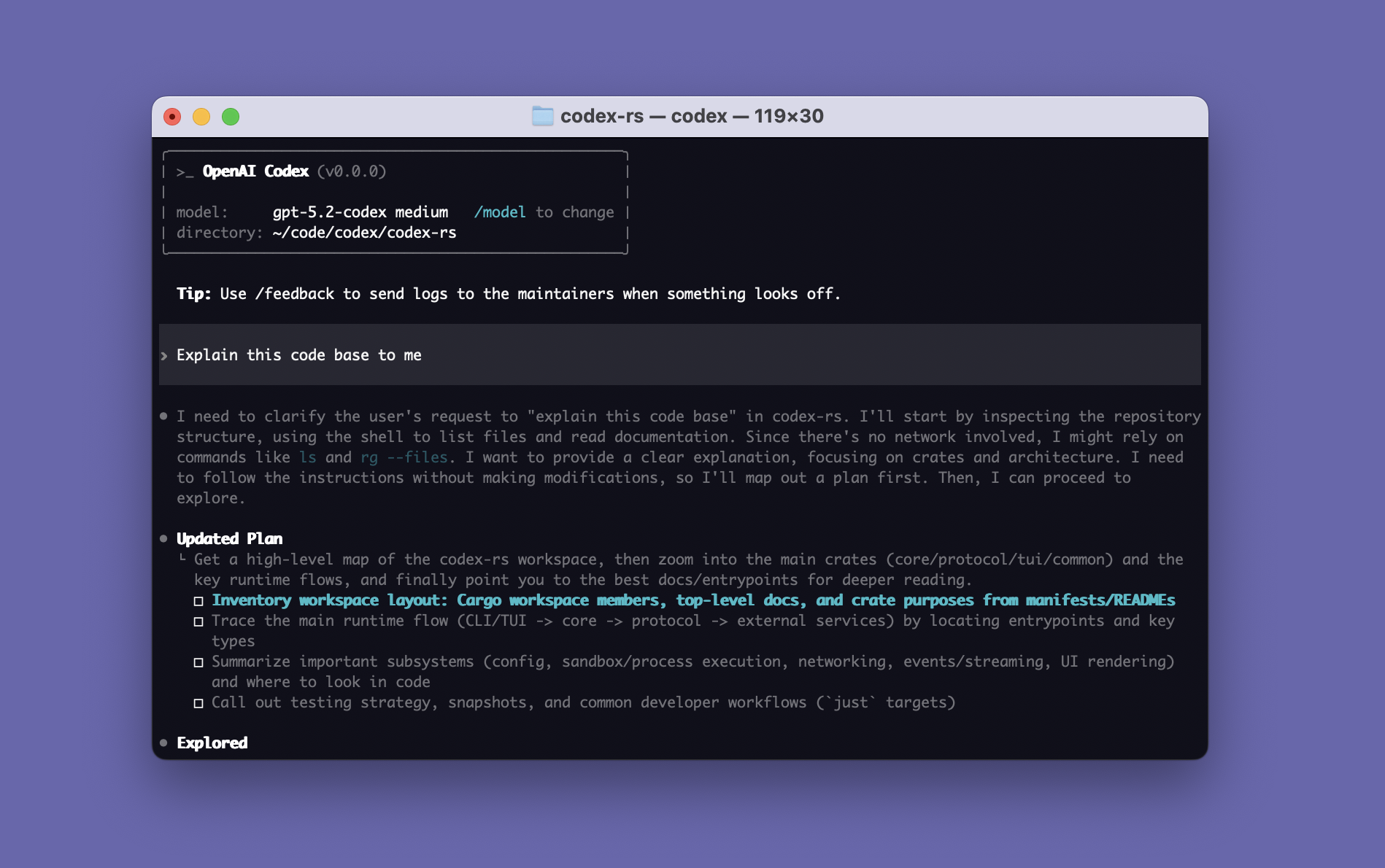
约 12.8 万星,Apache-2.0。OpenAI 把 coding agent 放到你自己的终端里跑:读文件、改代码、跑命令,会话在本地。IDE 插件、桌面 App、云端 Codex Web 是另一条产品线,README 入口分得很开。可以用 ChatGPT 套餐登录,也可以走 API key。
适合已经在 ChatGPT Plus/Pro 等计划里、想把编程代理留在终端工作流的人。常见安装:
npm install -g @openai/codex
坑:别和网页版 Codex 或编辑器扩展混为一谈。API key 路径要额外配置。安装脚本默认走 OpenAI releases 域名。本地代理的权限边界仍是「你启动它的那个用户」——需要隔离就自己上沙箱或容器。
约 24.2 万星,MIT,TypeScript。DeepSeek 自己开源的 agent harness(dsh),架构口号是 everything-is-a-plugin,底座是 Cordis。文档站已经挂上。最小体验是起本地 Web UI:
npx @deepseek-ai/dsh web
默认开在 http://127.0.0.1:3080。适合想跟官方 harness、愿意写插件扩展的人,也适合研究「时空可组合」那套插件模型的人。
坑同样写在首页:这是 developer preview,会有破坏性变更。跑之前先读安全说明。Node 要 22.19+ 或 24+。从源码构建要 pnpm build,不是 clone 完就能用。SSH 远程启动不会自动弹浏览器。
今天榜上还是 Agent 周边居多,但切口不一样:有人把 Claude Code 拆成 CEO、审查、QA 一桌人;有人硬塞一套「先规格再 TDD」的方法论;有人解决换窗就失忆;有人把免费模型聚到一个端点。另外两格偏「手感」——前端别再长出紫蓝渐变,以及一个可自己扩展的终端 harness。
每个只写值得打开的理由。星数是 10 月 2 日上午 GitHub API 的快照。
约 13.5 万星,MIT,TypeScript。作者是 YC 总裁 Garry Tan。仓库干的事很直白:给 Claude Code(也兼容一批别的 agent)塞进二十多个 slash 角色——产品复盘、架构锁定、去 AI 味的设计、代码审查、真浏览器 QA、安全审计、发版——全是 Markdown,MIT,宣称他自己天天在用。
适合还想下场写代码的创始人,以及嫌空白提示太飘、希望每条 PR 都有审查和 QA 骨架的 tech lead。上手可以:
git clone --single-branch --depth 1 https://github.com/garrytan/gstack.git ~/.claude/skills/gstack && cd ~/.claude/skills/gstack && ./setup
坑是体量。依赖 Bun,浏览器技能优先 Aside 或自带浏览器;/cso 对本地编译链要求不低,缺了就直接 not assessed。别第一天把二十三个命令全打开,按 README 从 /office-hours、/review、/qa 试三条就够判断它是不是你的菜。
约 29.4 万星,MIT。这不是又一份 skills 清单,而是一套会自动触发的开发方法论:开工先逼你说清真正目标,规格拆成能读完的短块,实现计划按「热情但品味差的初级工程师」标准写清楚,再强调真红绿 TDD、YAGNI、DRY,最后用子代理按任务推进并自审。
适合烦 Agent 一上来就写、测也不测的人;也适合在 Claude Code、Codex、Cursor、OpenCode、Pi 之间想共用同一套流程的人。Claude Code 上官方市场可以直接:
/plugin install superpowers@claude-plugins-official
坑:每个 harness 要单独装,别以为装一次到处生效。「能跑几小时」的前提是你先签过那份计划;没签字就放飞,只是把胡写自动化了。
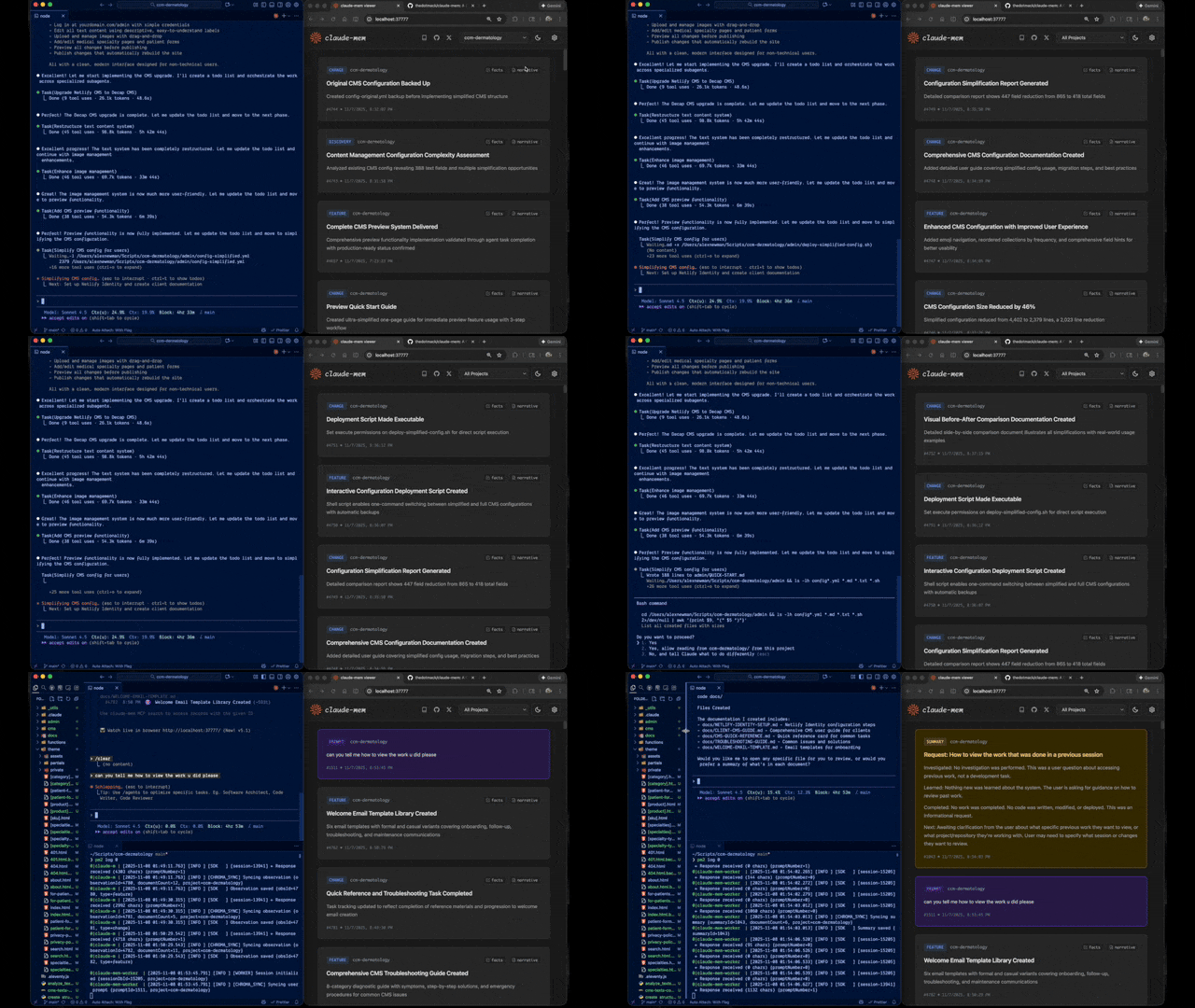
约 9.5 万星,Apache-2.0,TypeScript。长项目最烦的是:上下文一 compact 或新开窗口,模型就把架构和坑忘了。Claude-Mem 自动抓工具观察、压成语义摘要,下次会话还能检索续上;也接到 OpenCode、Antigravity、OpenClaw 一类入口。
适合多会话推进同一仓库、讨厌每次重讲「我们用的是哪套模块」的人。正确安装不是全局 npm 甩包,而是:
npx claude-mem install
坑写在 README 里很清楚:npm install -g claude-mem 只给你 SDK,不会挂 hooks。装完会走浏览器登录拿 memory key;观察器有试用期,到期会回到你自己的 Anthropic 计划,除非你另订。Node 要 20 以上。
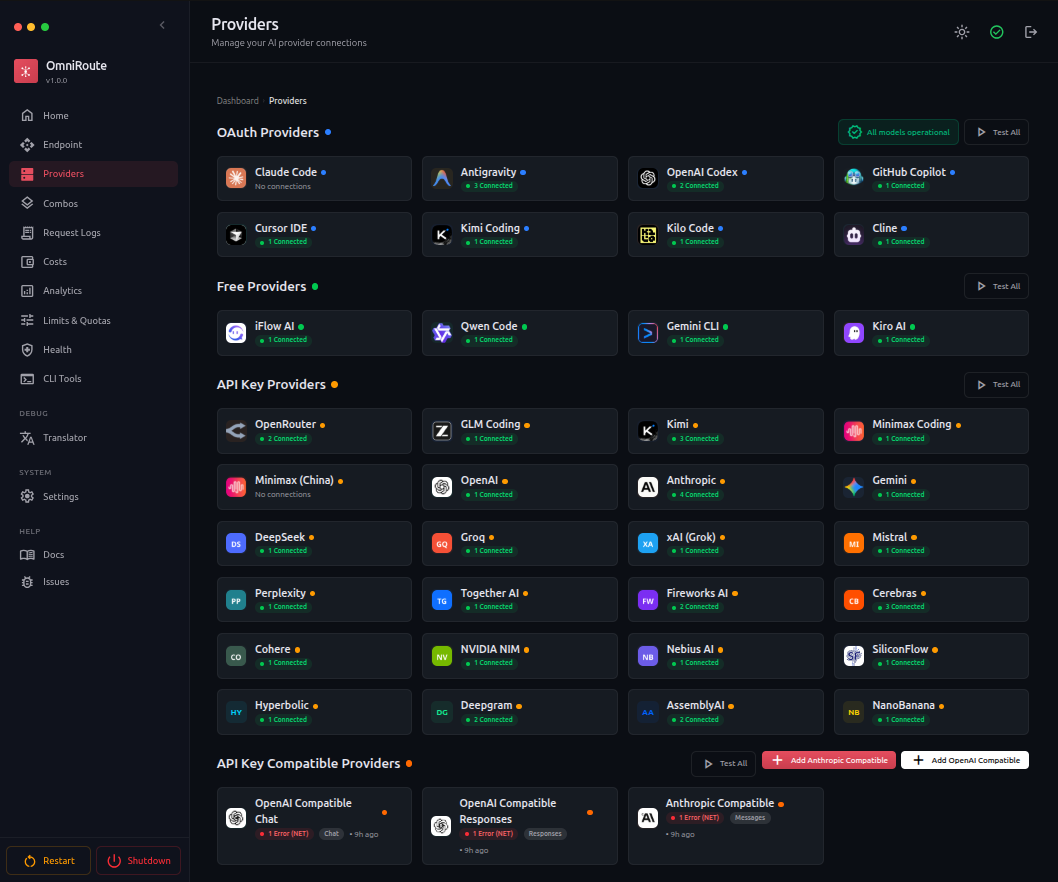
约 7.2 万星,MIT,TypeScript。自托管 AI 网关:OpenAI 兼容的一个本地端点,后面挂大量提供商和免费档,带自动 fallback、压缩和配额感知调度。宣称零配置也能靠 keyless 免费提供商先答一嘴;Docker、菜单栏 Tray、甚至 Termux 都能跑。
适合想给 Claude Code / Cursor / Cline 接便宜或免费模型、又不想手搓一堆 SDK 的人。最小起步:
npm install -g omniroute
坑比宣传页重要:免费配额和条款会变,README 自己也说数字双向波动;Docker 默认内存跑 coding agent 可能直接 OOM,要按文档加大;网关若暴露到公网,先把鉴权想清楚。文案很猛,以你机器上 dashboard 的真实剩余为准。

约 7.4 万星,Apache-2.0。每个模型都吃过同一批 SaaS 模板,于是 Inter、紫蓝渐变、卡片套卡片会反复长出来。Impeccable 给 AI harness 一套设计词汇:24 条命令(init、critique、audit、polish、bolder…),外加 61 条不靠 LLM 的确定性检测,浏览器里还能 live 迭代。从 Anthropic 那份 frontend-design skill 演进而来。
适合用 Agent 写界面、却总觉得「又是那套生成感」的产品和前端。安装:
npx impeccable install
装完还要在工具里跑 /impeccable init,把受众和约束写进 PRODUCT.md;视觉系统另记 DESIGN.md,别和产品真相搅在一起。检测本身不需要 API key,但改稿质量仍取决于宿主模型听不听话。
约 11.1 万星,MIT,TypeScript。Pi 是一套拆得比较干净的 agent harness:统一多厂 LLM API、agent runtime、TUI,再加上可扩展的终端 coding agent。网站和文档在 pi.dev。它也是 OpenRig 一类「agent 组网」故事里常见的底座之一。
适合想要终端里可组合、可自己写扩展,而不是锁死在某一家 IDE 插件里的人。安装:
npm install -g --ignore-scripts @earendil-works/pi-coding-agent
最大的坑写在权限一节:没有内置沙箱。默认权限等于启动它的那个用户。要边界就上 Docker、OpenShell,或他们文档里的 Gondolin 扩展。Node 版本门槛是 22.19+。新贡献者的 issue/PR 默认自动关、由维护者日审——别被「关了」吓到,先读 CONTRIBUTING。
今天榜上仍是 Agent 工具为主,但切开看各干各的:有人卡工具输出别灌爆窗口,有人教模型少写代码,有人做本地代码图谱,有人把助手接到你的聊天软件。另外两格偏「出片」——HTML 渲 MP4,和主题一键短视频。
老规矩,每个说清它解决什么、适合谁、坑在哪。星数是 10 月 1 日上午用 GitHub API 看到的,只是个快照。
约 2.5 万星,Elastic-2.0,TypeScript。Coding agent 真正吃上下文的,经常不是你的提示词,而是 Playwright 快照、一堆 issue、一段 access log——几十分钟就能烧掉窗口的一大截;compact 之后还容易忘了自己在改哪个文件。
Context Mode 是个 MCP:工具输出进沙箱、只把摘要放进对话(README 写过 98% 量级压缩);会话事件进 SQLite/FTS5,compact 后按需检索而不是整段回灌;并在一批客户端里强制路由。它还推「Think in Code」——让模型写脚本数函数、扫目录,而不是把 50 个文件读进上下文。
适合已经天天开着 Claude Code / Cursor / Codex,经常撞墙的人。Claude Code 上可以:
/plugin marketplace add mksglu/context-mode
/plugin install context-mode@context-mode
坑先看法务向的:Elastic License 2.0,不是 OSI 开源——不能把其实质能力做成托管服务卖给别人。装完先跑 doctor。平台多了,hooks 能力并不齐,别默认「17 个客户端体验一样」。

约 14.9 万星,MIT,JavaScript。你要个日期选择器,Agent 可能装 flatpickr、写包装组件、还讨论时区。Ponytail 的答案是:浏览器自带 <input type="date">。
它是一套 skill/plugin:写代码前先走梯子——要不要存在、仓库里有没有、stdlib/原生/已装依赖能不能顶、最后才写最少能用的那一截。作者用真实 FastAPI+React 任务测过,平均少写大约一半代码;安全校验和无障碍不在砍刀范围内。
适合烦 Agent 过度工程、想用 YAGNI 压生成物体积的人。Claude Code:
/plugin marketplace add DietrichGebert/ponytail
/plugin install ponytail@ponytail
(要分两条消息发。)坑:仓库最近 push 停在 9 月中旬,这是技能内容仓,不是日更服务;基准对模型敏感,别把「少写」听成「能砍校验」;hooks 要 Node 在 PATH 上。

约 39.1 万星,MIT,TypeScript。星数夸张,故事却很清楚:Gateway 跑在你这边,接到 Discord、Slack、Telegram、WhatsApp、iMessage 等一二十个渠道,桌面和手机还有 companion。状态、记忆、凭证默认在你硬件上;模型与 agent harness 当插件换。基金会托管,README 写明没有付费档、没有官方托管服务。
适合想要「自己的助手常驻聊天入口」、又不想会话全锁在某一家 SaaS 里的人。上手:
curl -fsSL https://openclaw.ai/install.sh | bash
openclaw onboard --install-daemon
坑比安装命令重要:工具默认在主会话主机上跑,把陌生 DM 接进来之前先读 security 和 sandboxing;配对要人工 pairing approve。Node 版本门槛不低。体量和 open issues 都很大,先跟 getting-started,别第一天全渠道裸奔。
约 7.3 万星,MIT。Agent 理解代码的慢办法是 grep、glob、Read 一轮轮爬。CodeGraph 在本地预建符号/调用边/依赖的知识图谱,经 MCP 一次 explore 拿回相关源码、调用链和变更爆炸半径——少工具调用,也少把无关文件灌进窗口。宣称 100% local,对接 Claude Code、Cursor、Codex、OpenCode 等一串。
适合大仓上已经受够「Agent 乱爬文件」的人。安装可以:
curl -fsSL https://raw.githubusercontent.com/colbymchenry/codegraph/main/install.sh | sh
npx @colbymchenry/codegraph
坑:安装器只帮你接线,不会自动给当前项目建索引——每个仓库还要自己 codegraph init。匿名遥测可关:codegraph telemetry off。动态分发、冷门语言的边覆盖以官方矩阵为准,别神话成「任何跳转都能追」。

约 5.5 万星,Apache-2.0,TypeScript。HeyGen 开源的渲染框架:HTML/CSS/媒体 + 可 seek 动画 → 确定性 MP4。本地 CLI 预览和出片,同时给 coding agent 备了一套 skills/plugin——Agent 会写网页,就能按同一条流水线做产品介绍、无脸解说、数据动画。
适合想程序化、可版本管理出短片,而不是在时间轴里点来点去的人。Node 22+:
npx hyperframes init my-video
npx hyperframes preview
坑:渲染栈不轻(浏览器 + FFmpeg 一类),机器要扛得住。skills 有「核心组」和全套二十来个之分,非交互安装容易一次拉全——Agent 场景更稳的是 npx hyperframes skills update。它是 HTML 渲染器,不是「丢个主题自动配网红素材」那条短视频流水线。
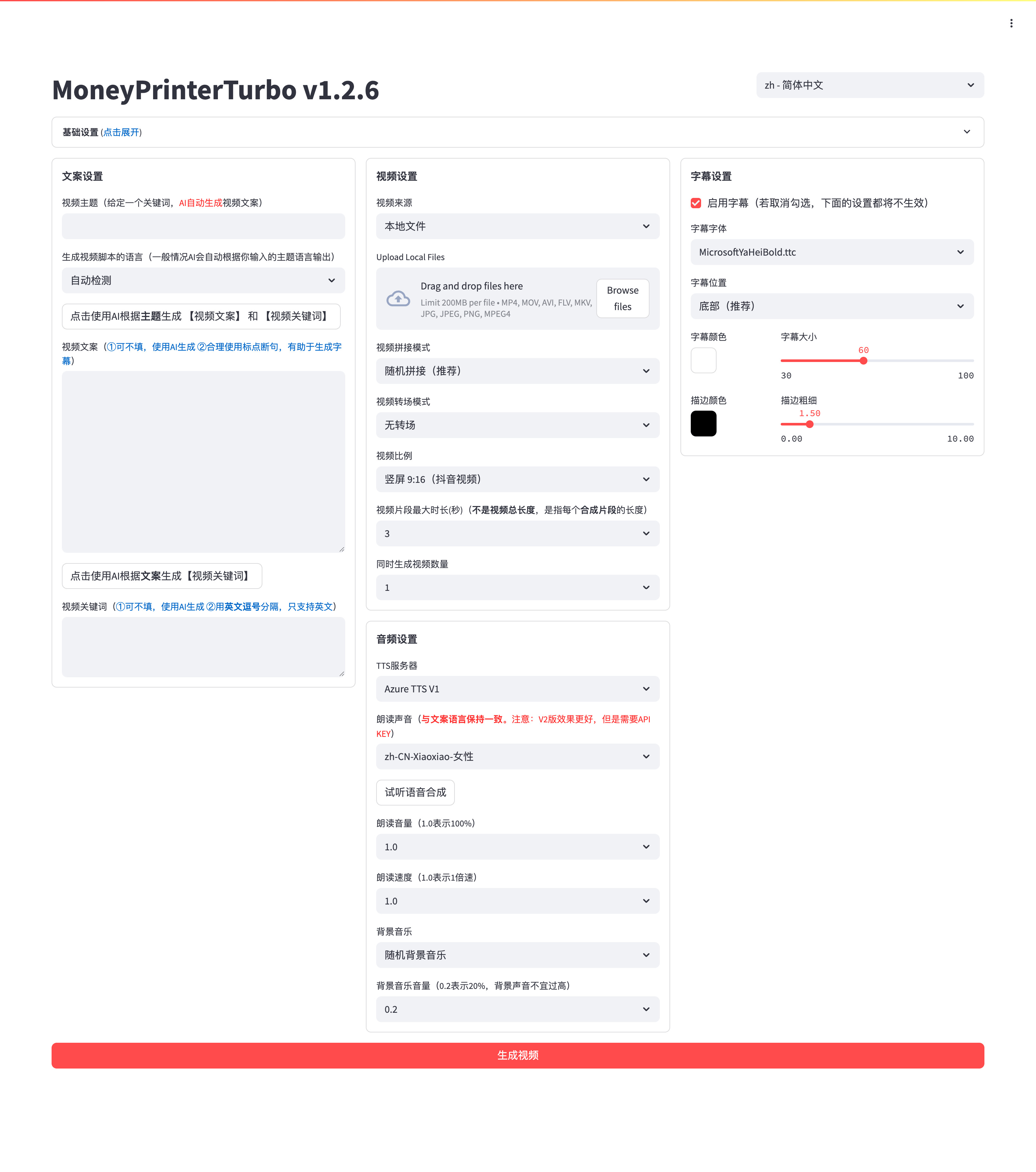
约 12.8 万星,MIT,Python。国内短视频自动化里露面很久的一站式:给主题或关键词,跑脚本、找素材、上字幕和背景音乐,合成高清短片。WebUI、API、CLI,还有给 Agent 读的 Skill;Docker 和 Windows 一键包都有。
适合要批量试内容、本地可控流水线、尤其中文场景的人。Docker:
git clone https://github.com/harry0703/MoneyPrinterTurbo.git
cd MoneyPrinterTurbo && docker compose -f docker-compose.release.yml up
坑:模型、素材、TTS 的 Key 和账单都在你这边;素材版权和平台规则自己扛。Windows 路径别带中文或空格;Release 里别下成「Source code」当一键包。README 赞助区很长,不影响核心,配置时看准官方字段就行。质量上限仍是脚本和素材匹配,不是保底爆款按钮。
今天榜上两头热:一头是 Agent 运行时和 harness,一头是偏实用的客户端、部署平台和一本循证生活指南。中间夹着一个故意不走向量库的 RAG。
老规矩,每个说清它解决什么、适合谁、坑在哪。星数是 9 月 30 日上午用 GitHub API 看到的,只是个快照。
约 1.07 万星,Apache-2.0,Rust。NVIDIA 自己的定位很直白:成批自主 Agent 的 safe、private runtime。Agent 要读文件、装包、调 API、碰凭证才有用;OpenShell 让你用策略声明「能碰什么」,再在运行时卡住其余的。
做法分两块:沙箱里用内核级控制卡文件、系统调用和出站网络;凭证不塞进沙箱环境,只在打向已批准端点的请求上注入。策略要放宽之前,还可以先做形式化检查,标出「会不会突然摸到新主机或新 API」这类风险再给人审。
适合已经在本机或集群上跑多只带工具权限的 Agent、又不想等于把家目录和密钥裸奔出去的人。要有 Linux、Apple Silicon 的 macOS,或 Windows + WSL2(官方标 experimental),外加 Docker / Podman / 虚拟化。上手可以:
curl -LsSf https://raw.githubusercontent.com/NVIDIA/OpenShell/main/install.sh | sh
openshell sandbox create --name demo
坑:默认沙箱镜像是最小 Ubuntu,里面并没有装好你的 Agent,还得按文档跑「第一只 Agent」。匿名遥测默认开着,不喜欢就关 OPENSHELL_TELEMETRY_ENABLED=false。上 Kubernetes 时,CNI 得能真正执行 NetworkPolicy。它是隔离和策略层,不是让模型变聪明的插件。
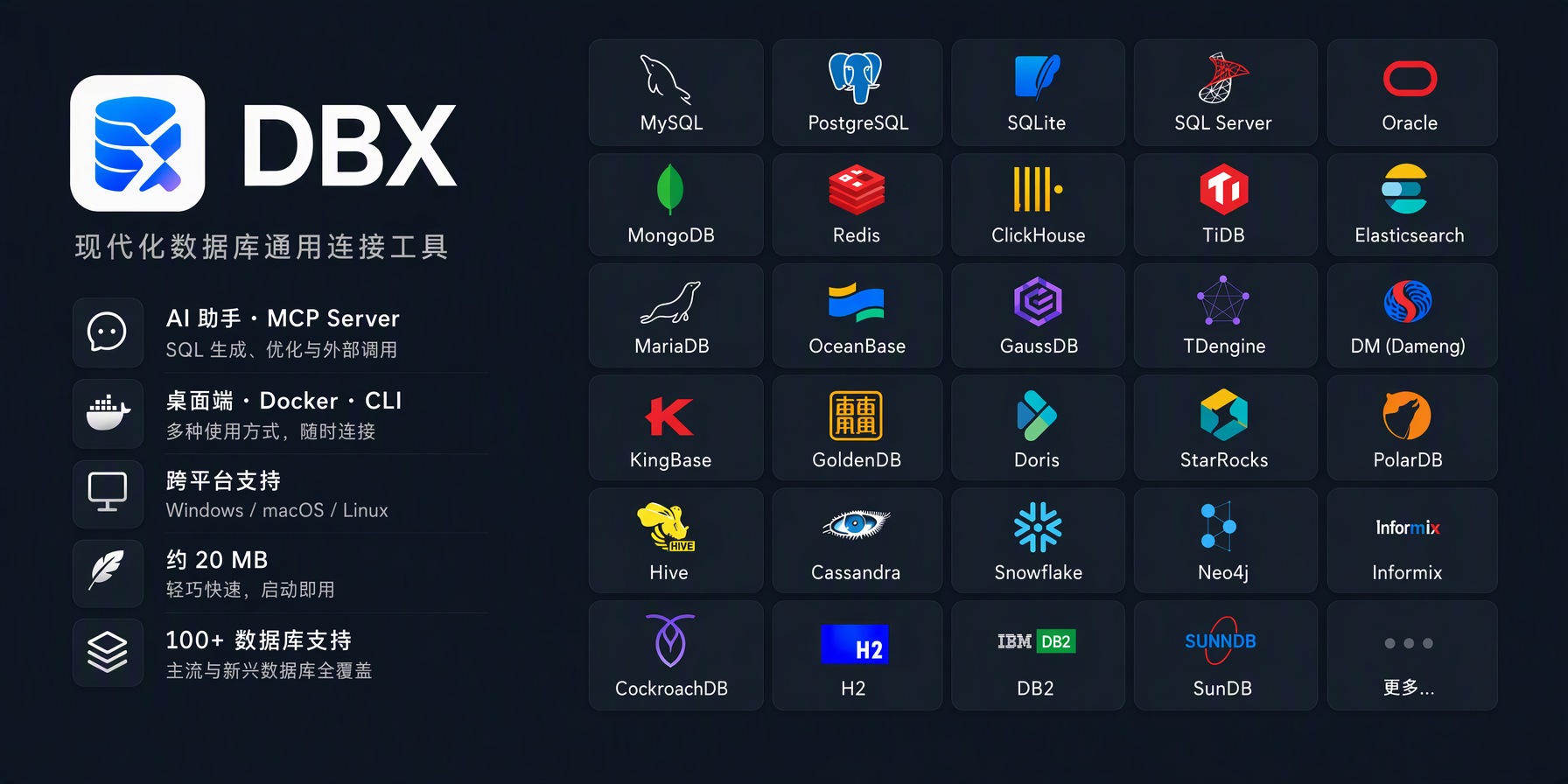
约 2.2 万星,Apache-2.0,Rust。README 一句说完:100+ databases in 25 MB。桌面、Docker、CLI、内置 AI 助手和 MCP Server 都在同一条产品线上。MySQL / Postgres / SQLite / Redis / Mongo / DuckDB / SQL Server,一直到不少国产库,都挂在同一套界面里。
编辑器是 CodeMirror 6,能补全、跑选中 SQL、看执行计划;旁路还有 ER 图、结构对比、导入导出。嫌点鼠标的,可以装 CLI 或 MCP,让 Agent 按它的 skill 去列连接、跑查询。
适合手里库种类杂、又嫌传统 GUI 又重又慢的人;也适合想给编码 Agent 一条相对受控的查库通道的人。macOS 上可以:
brew install --cask dbx
坑跟所有数据库客户端一样:AI 写出来的 SQL 先看再跑,生产账号别随手给可写权限。引擎太多,改表、血缘、对象浏览器这类能力不可能每种库一样深,连冷门库之前先看一眼支持说明。
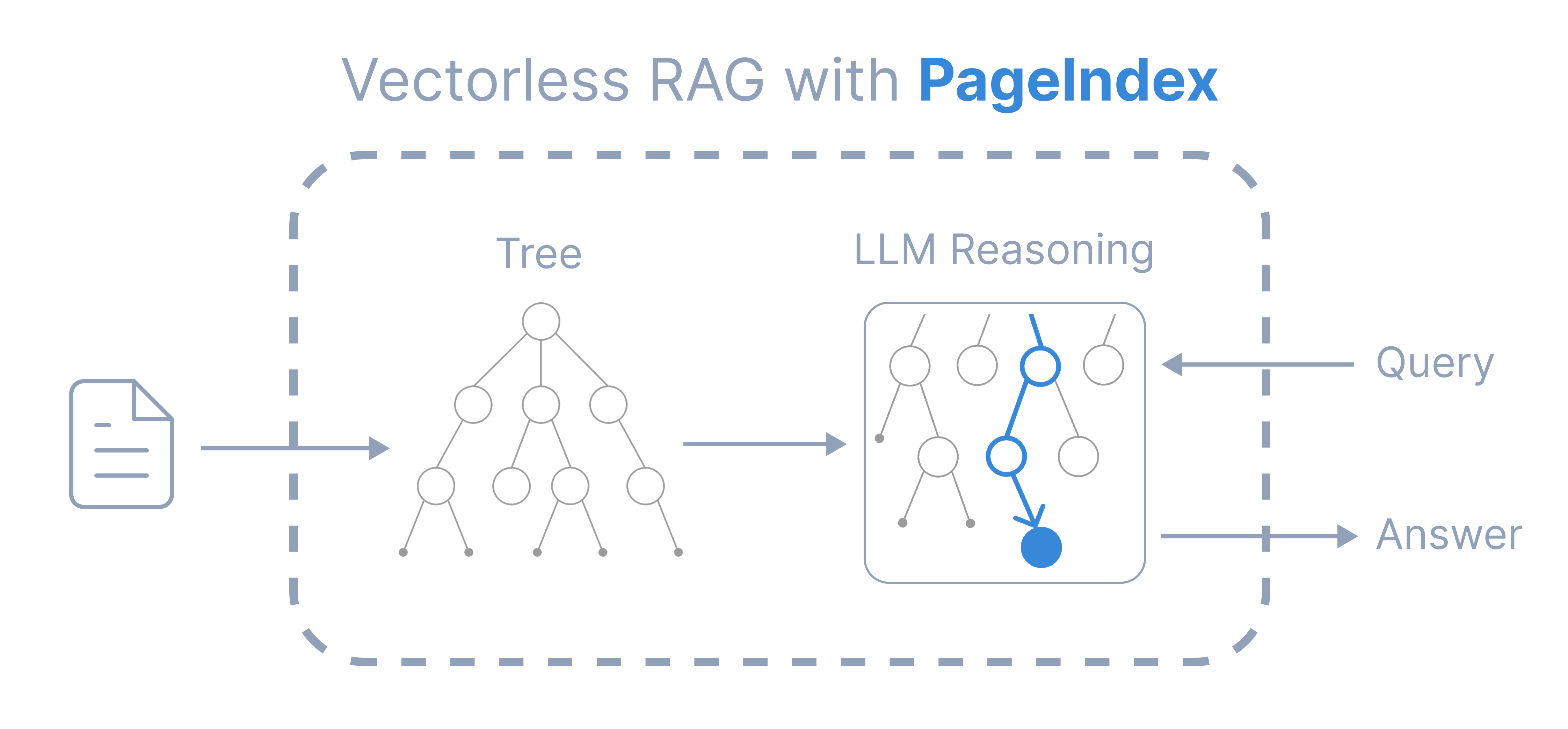
约 3.7 万星,MIT,Python。它要怼的痛点很具体:长专业文档上,向量相似度经常「长得像但不是你要的」。PageIndex 换成层次树索引,让模型像人翻目录那样在树上推理检索,强调可追溯、可解释,而不是再堆一个向量库和一套 chunk 策略。
SDK 可以本地跑(自备 LLM key),也可以指到他们的 Cloud。更新里还有偏快的 Flash 索引,以及面向海量文档的 File System 层。财报、法律、监管文件、技术手册这类,是它自我介绍里最常点名的场景。
pip install -U pageindex
适合被「相似但不相关」折磨过、又肯为索引和检索付模型调用的人。坑也清楚:本地模式账单在你自己的 key 上;按页建树有成本,延迟跟模型选型绑死。别指望它是「免费替代 pgvector 的插件」——路线就不一样。
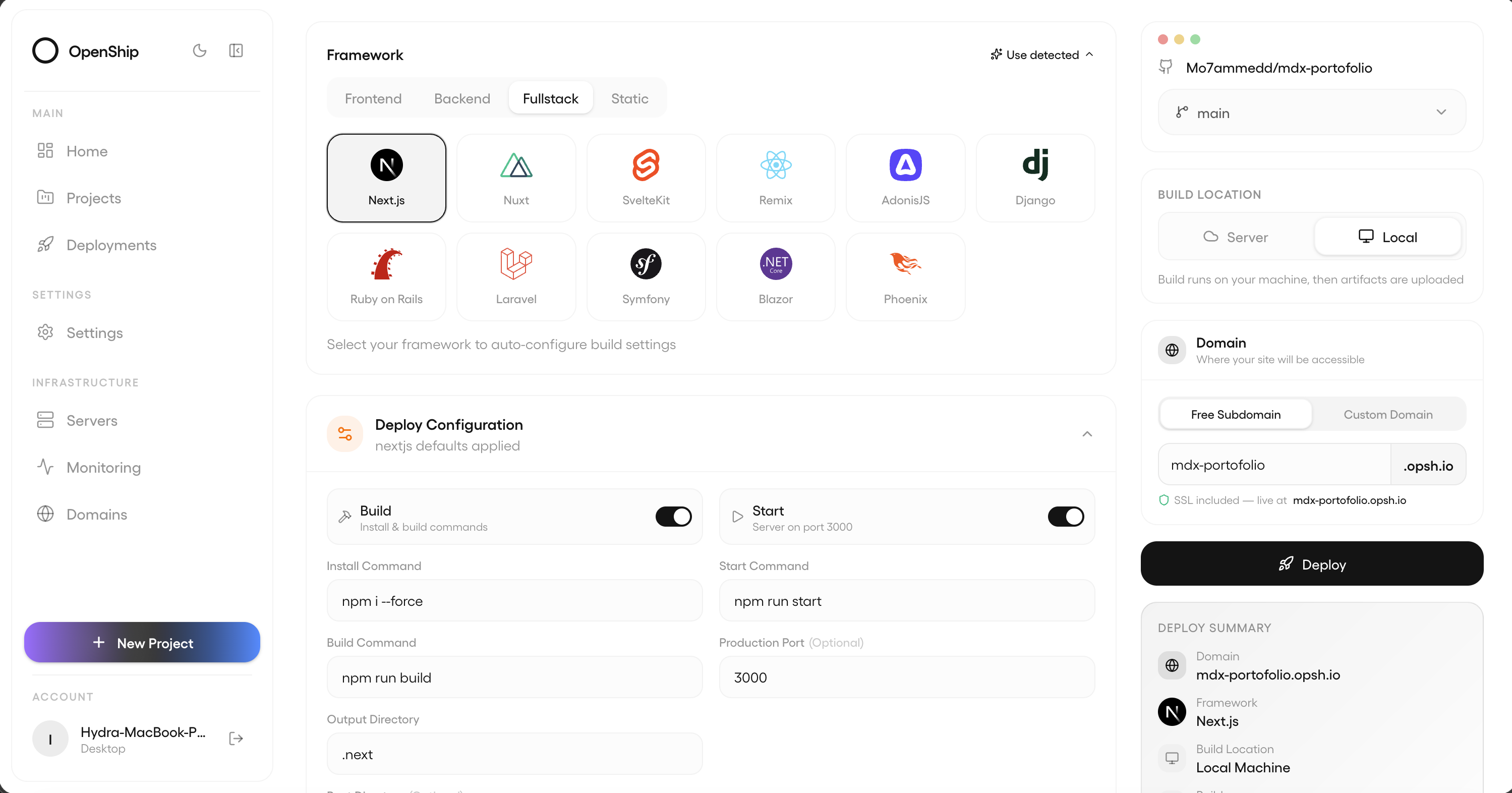
约 1.4 万星,Apache-2.0,TypeScript。开源、可自托管的部署平台:指向一个仓库,负责构建、发布、路由和 TLS。桌面 App、Web 看板、CLI 都能开。
个人玩,官方更推荐桌面控制面:本机开着 App,通过 SSH 推到你的服务器,或推到 Openship Cloud;App 关掉,控制面也就不常驻。要团队、push-to-deploy,或就在那台机器上托管应用,再上 openship up。Linux 且有 Docker 时默认 Compose(Postgres、Redis、API、看板、OpenResty 占 80/443);否则走 bare,控制面常开,应用仍往外机或 Cloud 发。
curl -fsSL https://get.openship.io | sh
openship
适合想自己捏一个「小部署控制面」、又不想从第一天就锁死某朵云的人。坑:先想清楚控制面放哪——桌面方案不等于本机对外托管;Compose 模式才在同机起边缘和证书。CLI 要 Node 22+(安装脚本可自带)。自托管一律要登录,别当匿名玩具。

约 2.9 万星,CC-BY-4.0。不是又一个鸡汤仓库。中文名「高性价比人生指南」:长寿防病、急救、少花冤枉钱、法律红线、失业工伤、医保社保、婚育、创业办证、出国和学手艺。README 写的是 631 条,每条标成本、收益、证据等级,出处只引期刊和官方文件;A/B/C 分级和一千多条文献链接都摊在仓库里。
有在线检索页,也有 PDF / EPUB / 离线 HTML;另外还做了给 Claude Code、Codex 用的 skill,问「替朋友担保签不签」这类问题会先查书再答,并标明条目。
适合想要「有出处的备选」,而不是被打卡清单绑架的人。作者自己写了:不用全做,挑走一两条就算数,他自己也没做到大部分。坑:证据有分级,C 别当铁律;社保、办证、法规按地区会变,以当地官方文件为准。转载注意 CC-BY 署名。
约 27.0 万星,MIT,JavaScript。星数夸张,但 README 讲的事其实很土:你的 Agent 会写代码,ECC 给它一套协调过的工程流程——先计划、用测试验证、换新鲜上下文自审、记住值得留的东西,再把重复成功收成 skills 和 workflows。口号是 Optimize the context window. Persist everything else。
仓库宣称一大串 agents、skills、hooks、memory,以及 AgentShield 做配置和密钥扫描。今天和 Claude Code 绑得最紧,Codex 有同步路径,Cursor / OpenCode 等是能力受限的适配——别默认「装一次全编辑器功能一样」。
npx ecc-universal@2.2.2 setup
适合已经天天开着 Claude Code 或 Codex、提示词开始失控、想把流程固化下来的人。坑先看官方警告:只从 GitHub 仓库、ecc-universal / ecc-agentshield、官方 GitHub App 和 ecc.tools 装,第三方镜像可能有毒;guided setup 和完整手工安装不要叠两层。Node 18+,Claude 插件还要 Git 和较新的 Claude Code。私有仓那条 GitHub App 有付费档,开源核心和商业增值分开看。星多只说明很多人 star,不说明你仓库第二天就变强。

 Jowe_Lin