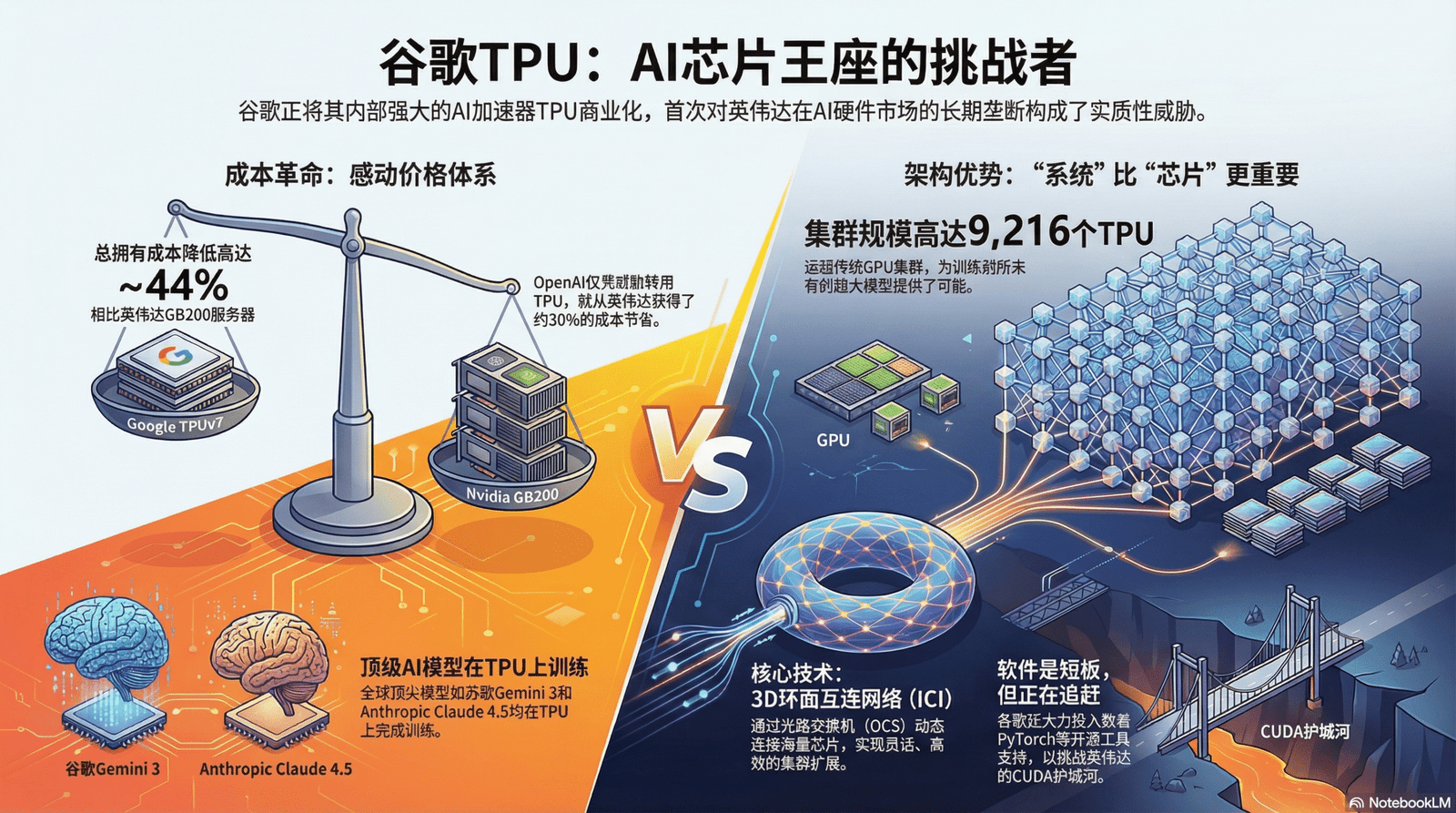
谷歌TPU的四大“不对称优势”:芯片战争的真正玩法
在AI硬件领域,谷歌的TPU正迅速成为对抗英伟达的强劲对手,改变市场格局。TPU不仅借助其系统架构优势和更高的实际运行效率,还通过创新金融模式挑战传统规则,提升竞争力,逐渐重塑AI基础设施的未来。
在AI硬件领域,谷歌的TPU正迅速成为对抗英伟达的强劲对手,改变市场格局。TPU不仅借助其系统架构优势和更高的实际运行效率,还通过创新金融模式挑战传统规则,提升竞争力,逐渐重塑AI基础设施的未来。

不少宝子想尝试用低代码平台玩玩workflow或者rag,但是Coze、Dify和N8N这些平台应该怎么选?各自特点是什么?到底哪个适合你?老兵帮宝子们分析一下。 📌不扯犊子,不卖关子,先说老兵总结的结论:Coze = Bot as a S...
本报告旨在提供一个推理算力需求从用户渗透到 Token 调用、再到硬件支出的分析框架,我们通过对 Google 与微软(OpenAI)未来 Token 调用量、算力总需求和未来硬件支出节奏的测算,得出结论:推理算力需求增长速度快于单位算力成...
由于价值错位和成本压力,传统的定价方式正在失效。软件公司对全新颠覆性定价模式的需求比以往任何时候都更高涨。 最近,国外科技作者 Kyle Poyar 收集了超过 240 家软件公司的数据,这些公司的年经常性收入(ARR)在 100 万至 2...

文丨丁灵波 最近几天,AI圈正迎来一轮技术冲击波,只因今年的微软Build开发者大会和谷歌I/O开发者大会撞期了,两大科技巨头在AI领域的布局各有千秋,对于全球开发者而言,又有一大批AI工具扑面而来。美国西雅图当地时间5月19日,微软Bui...

今天凌晨,奥特曼突然发文宣布推出自家最新的 o 系列模型:满血版 o3 和 o4-mini,同时表示这两款模型都可以自由调用 ChatGPT 里的各种工具,包括但不限于图像生成、图像分析、文件解释、网络搜索、Python。 总的来说,就是比...
2025 年版的 AI 50 强名单显示了公司如何使用代理和推理模型来承担真实的企业工作流程 人工智能将在 2025 年进入一个新的阶段。多年来,AI 工具主要根据命令回答问题或生成内容,而今年的创新是关于 AI 真正完成工作。2025 年...

问 open ai 那20 个工作最有可能被 AI 所取代。看看O3 的回复.. 温馨提醒:信息来自AI 生成,娱乐为上,切莫上头 提问:列出20个OpenAI的GPT-4o推理模型可能会取代人类的工作,并按概率排序。 O3 回答:我将研究...

DeepSeek-R1以始料未及的速度引发了全球AI社区的狂热,但有关DeepSeek的高质量信息相对匮乏。2025年1月26日,拾象创始人兼CEO李广密,组织了一场关于 DeepSeek的闭门讨论会,嘉宾包括数十位顶尖AI研究员、投资人与...
就在今天,豆包APP发布全新更新,实时通话功能迎来全新的交互体验,语音更加拟人化,更加自然,已经完全贴近于人的情感语音。 几个小时后DeepSeek-R1发布,直接对标OpenAI o1,实力直接拉满,DeepSeek-v3已经受到广大用户...
今天日榜前排还是 Cloudflare 的安全审计 skill 和 NVIDIA 的 OpenShell,这两个之前都写过。impeccable 刚聊过,算重复。几个电子书下载仓和攻击向的安全技能直接跳过。
剩下挑了六个:AWS 官方出的 Agent 工具箱,一个专治“AI 味”网页的设计技能,一份中文也能看的 Claude Code 教程,一只 25 厘米高、靠强化学习走路的机器鸭,开源客户端的 AI Agent Cindy,还有一个边解压边删压缩包的解压工具。
星数是 10 月 25 日上午 GitHub API 的快照。
3159 星,Apache-2.0,AWS 官方维护,状态已经是 GA。让 Claude Code、Codex、Cursor 去碰 AWS,最怕的是它拿过时的文档瞎写 CloudFormation,或者手一滑删了生产资源。这个仓库把三样东西打包了:托管的 AWS MCP Server(覆盖 300 多个服务的 API、沙箱里跑 Python、实时查文档),按任务加载的技能,以及给项目用的规则文件。
我觉得最有价值的是管控那一层:它有专门区分“Agent 操作”和“人操作”的 IAM 条件键,可以写一条策略只允许 Agent 走只读,所有请求都进 CloudTrail 和 CloudWatch。之前 AWS Labs 那一堆 MCP 服务器,官方说这个是继任者。
适合已经在 AWS 上干活、想让 Agent 帮忙写 IaC、查账单、排障的团队。
坑:插件分了五个,官方明说先装 aws-core,其他(Bedrock Agent、数据分析、DevSecOps、创业顾问)按需再加。插件目前只给 Claude Code、Codex、Cursor、Devin,Kiro 等其他工具要自己配 MCP 再装技能。MCP Server 调 AWS API 用的是你自己的凭证,IAM 权限先收紧再交给 Agent。
/plugin install aws-core@claude-plugins-official
约 3.22 万星,MIT,Together AI 出品。AI 生成的落地页有一套很好认的“味道”:每个标题上面一行小字眉标、字间距拉开的大写字母、紫色渐变、三栏卡片。Hallmark 是给 Claude Code、Codex、Cursor、OpenCode 用的设计技能,专门跟这些习惯过不去。
v2 有 48 套主题,每套是一种“材质”(纸感、字体、配色、组件),不规定页面内容,同一主题两个需求出来是两张不同的页。它先单独做首屏、渲染、冷眼审一遍,再做剩下的;最后用 sloplint 在八种宽度下检查,还会让子 Agent 再看一遍。对比度、焦点、减少动效、手机布局崩、编造数据这几条是硬底线,过不了不交付。也能 /hallmark redesign 改已有页面,只改设计不动内容和交互。
适合用 Agent 做落地页、产品官网的独立开发者,或者已经受够了“AI 模板脸”的人。
坑:Node 18 以上。完整的渲染检查和截图要另外装 puppeteer-core 和 Chrome,不装也能跑,但只剩静态检查,最有用的那部分就没了。产出是自包含的 HTML 和 CSS,接进 React 项目要自己拆。配图来自 Wikimedia Commons,许可各不相同(有 CC BY-SA),它会在页面上署名,别手动删掉。
约 4.46 万星,MIT。官方文档告诉你每个功能是什么,但没教你怎么把斜杠命令、记忆、子 Agent、Hooks、MCP 拼成一条真正能用的工作流,这个仓库补的就是这块。10 个模块按顺序学,每个功能配 Mermaid 图讲内部怎么跑,还有能直接抄进项目的 CLAUDE.md、Hook 脚本、子 Agent 定义模板。
装进 Claude Code 之后可以跑 /self-assessment 测自己哪块薄弱,学完一个模块用 /lesson-quiz 自测。有中文版,也能自己生成 EPUB 离线看。
适合装了 Claude Code 但只会对话、想进阶的人,也适合给团队做内部培训的材料。
坑:这是教程,不是工具。作者声称跟着 Claude Code 每个版本同步,但 Claude Code 迭代太快,中文翻译往往比英文版慢,以英文为准。模板拿来前看一眼,Hook 脚本会在你机器上执行命令。
约 1.1 万星,Apache-2.0,Rust,Pollen Robotics 出品(Reachy 那家,现在是 Hugging Face 旗下)。一只 25 厘米高、800 克的双足机器鸭,15 个舵机,靠强化学习训出来的策略走路。能拿手柄开,换上轮子切滚动模式,弯腰叼东西,被推倒了自己站起来,还会嘎嘎叫。
这个仓库是它的“大脑”:跑在 RK3566 上的几个 Rust 守护进程,50Hz 控制循环、蓝牙、摄像头、带签名和自动回滚的 OTA 更新。策略的训练在隔壁 microduck_rl 仓库,MuJoCo 加 PPO,导出 ONNX。设计文档写得非常坦诚,连“哪里出过问题”都单独列了一个目录。
适合想入门具身智能、sim2real 的学生和开发者,也适合想要一个比扫地机器人好玩的桌面玩具的人。
坑:要真鸭子得买,官网预售价 399 美元,税和运费另算,国内发货情况没写。没硬件也能玩,scripts/duck-sim 在 MuJoCo 里跑真正的守护进程,但这是开发者工具,不是开箱即玩的模拟器。想自己训策略得会强化学习,还得有块显卡。
4144 星,Apache-2.0,TypeScript,界面有中文。Cindy 是跑在你自己电脑上的 Agent 桌面端加手机端,底层先接了 Claude Code 和 Codex 两个 harness,模型和 harness 可以任务中途切换,记忆、技能、工具不断。一个任务能让不同组合分头规划、执行、复查。它能操作浏览器、电脑和手机,也能从 IM 和定时任务接活。
模型来源比较灵活:可以直接授权你已经付费的 Claude Code 或 Codex 订阅,不用重复付钱,也能接自己的 API Key 或本地模型。
适合想要 Claude Code / Codex 的能力、但不想天天待在终端里的人。
坑:开源的只是客户端,后端在另一个仓库,不开源。登录 Cindy 官方账号才有全部功能,官方服务按用量扣费;选“跳过登录”只能用本地 Agent,依赖服务器的功能全不可用。客户端默认连官方云端,自动更新也走官方 CDN,介意的要自己改。仓库 open issues 接近 1900 个,说明用的人多,也说明问题不少,先在不重要的项目里试。
1724 星,Apache-2.0 和 MIT 双授权,Rust。下了个 50GB 的压缩包,盘上只剩 60GB,普通解压到一半就报空间不足。HatchZip 边解压边把压缩包里已经解出来的部分释放掉,压缩包越缩越小,所以只要有放下解压结果的空间就行。
它动手前会先算能不能放下,全程留一段安全余量,中途被杀或者断电,下次能接着解。ZIP、7z、tar、tar.gz、分卷都支持,Windows 11 右键菜单直接点,也有命令行。
适合经常下游戏包、数据集、大型备份的人,尤其是笔记本硬盘小的。
坑:默认会删掉原压缩包,想保留要选“Extract here (keep archive)”,这时就是普通解压,空间也要按普通算。Windows 安装包和 macOS App 都还没签名,Windows 会弹“已保护你的电脑”。只从 GitHub Releases、官网 hatchzip.dev 或者 README 里标为已上线的包管理器(Homebrew、Scoop)装,hatchzip.com 这类同名网站跟项目无关。额外空间大约是压缩包里最大的单个文件(7z 是最大的固实块),解单个超大文件时边解边释放的功能官方还没在 NTFS 和 APFS 上验证过,动手前先跑 hatchzip check 看它算出来要多少。
今天日榜前排又是这周的熟面孔:Cloudflare 的安全审计 skill 10 月 20 号写过,Anthropic 的 knowledge-work-plugins 10 月 9 号写过,ponytail、orca、opencode、graphify、ai-memory 这些也都聊过,没新东西就不重复。NVIDIA 的 OpenShell 月初写过。Claude-Red 是一堆攻击向的安全技能,不推。php-src 和 Node.js 上榜是因为有新版本,用不着我介绍。周榜第一的 morluto/rea 星数涨得还是太陡,继续不碰。
剩下挑了六个:百度开源的长文档 OCR 模型,把一本技术书变成 Agent 技能的 book-to-skill,能自己部署的 AI 同事 Rakazo,让 Claude Code 做产品宣传片的 video-shotcraft,一个按场景分开登录状态的 Mac 和 iPhone 浏览器,最后是一个挺较真的紫微斗数排盘引擎。
星数是 10 月 24 日上午 GitHub API 的快照。
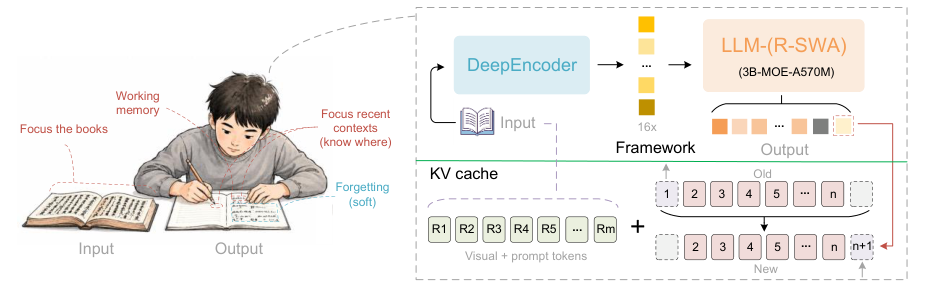
约 2.83 万星,代码和模型权重都是 MIT,百度出的。它是在 DeepSeek-OCR 的思路上往前推了一步,主打“长程解析”:不是一页一页认字,而是把多页甚至整份 PDF 一次喂进去,输出带版面结构的结果。
模型约 33 亿参数,Hugging Face 上最近一个月有两百多万次下载。vLLM 和 SGLang 都支持,vLLM 有现成的 Docker 镜像,批量处理一个文件夹的扫描件或一份长 PDF 都有脚本。
适合要把大量扫描件、合同、论文、老书变成可搜索文本的人,尤其是做知识库和 RAG 的团队。
坑:这是要 NVIDIA 显卡的模型,官方只写了 CUDA 环境,Mac 和纯 CPU 别指望。README 里没给显存要求,自己先拿一张卡试。输出里带着版面标记,要干净文本得按它给的那段代码后处理一遍。不想自己部署,可以先去 Hugging Face 的在线 Demo 试几页。

约 3.59 万星,MIT,Python。买了本好书读一遍,三个月后连第七章讲什么都忘了,这个就是治这个的。
你把 PDF、EPUB、Word 或者一整个文档文件夹丢给它,它拆成一个技能包:一份核心思路加章节索引,每章一个文件,外加术语表、模式清单和速查表。之后你在 Claude Code、Codex、OpenCode 里问问题,Agent 只翻对应那一章来回答。作者实测比把整本书塞进上下文省 24 到 51 倍的 token。
我觉得最有用的不是读书,而是公司内部文档:架构决策、运维手册、品牌规范,整个 docs 文件夹折成一个技能,写代码时随手问。
坑:扫描版 PDF 没有文字层,它会直接停下,要先自己跑一遍 OCR,刚好可以接上面那个百度的模型。代码、表格多的书最好装 docling,慢一点但表格不乱。转出来的技能只能自己用,别人的书做成技能拿去分享,有版权风险,作者自己也写了别分发。
npx skills add virgiliojr94/book-to-skill
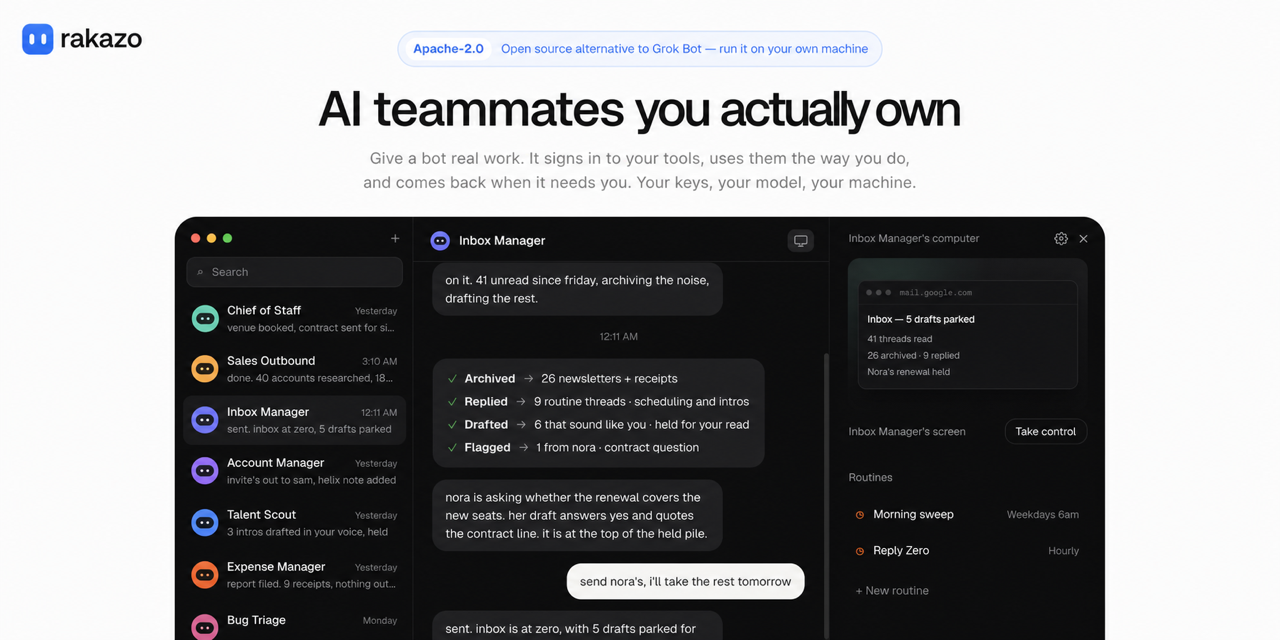
5462 星,Apache-2.0,TypeScript,作者是 Inbox Zero 那位。它想做的是“长期在岗的 AI 同事”:每个 bot 有自己的对话、记忆、定时任务和一台电脑,能开浏览器、终端、桌面,还能把活分给别的 bot。网页、桌面 App、iPhone 和安卓都有客户端,界面有简体中文。
模型自己接,电脑可以是本机 Docker,也可以是 E2B、Daytona 这类云沙箱。装起来就一个脚本,起好之后打开本机 5173 端口注册账号、连模型就能用。
适合想要一个类似托管式 AI 助手、但数据和模型都得握在自己手里的技术团队或个人。
坑:官方自己说还在 beta。想让 bot 一直在线、定时任务按时跑,后端得放在一台不关机的服务器上,公网访问还要自己配 HTTPS。接第三方应用要么用 Composio、Pipedream 的 Key,要么自己加 MCP,没有开箱即用的一大串连接。

约 1.33 万星,Apache-2.0,一个给 Claude Code 和 Codex 用的视频技能。你说一句“给我的产品做个宣传片”,Agent 会去截你产品的真实页面,从 150 个调好的镜头里挑、写分镜,用 Remotion 做动画,卡音乐节拍、加音效,逐帧检查,最后交一个 1080p 的 MP4。
它不是 AI 生成视频,每一帧都是代码画出来的,所以字是清楚的、品牌色是对的,也能接着改。做完还能导出成剪映草稿,镜头、字幕、音效分轨,国内用户挺方便。
适合独立开发者和小团队做产品发布片、功能演示片,不想请人剪也不想用 AI 视频那种糊字的效果。
坑:它跟 10 月 18 号写过的 HyperFrames 是一类东西,那个是写 HTML 出片,这个镜头库更现成。要装 Node、ffmpeg,Remotion 第一次渲染会自己下载无头 Chrome,国内经常下不动,得手动指定本地的 chrome-headless-shell。作者只在 Mac 上测过,Linux 服务器上会撞几个坑,README 里有写。另外商用前看一眼 Remotion 自己的授权,公司超过一定规模要买许可。
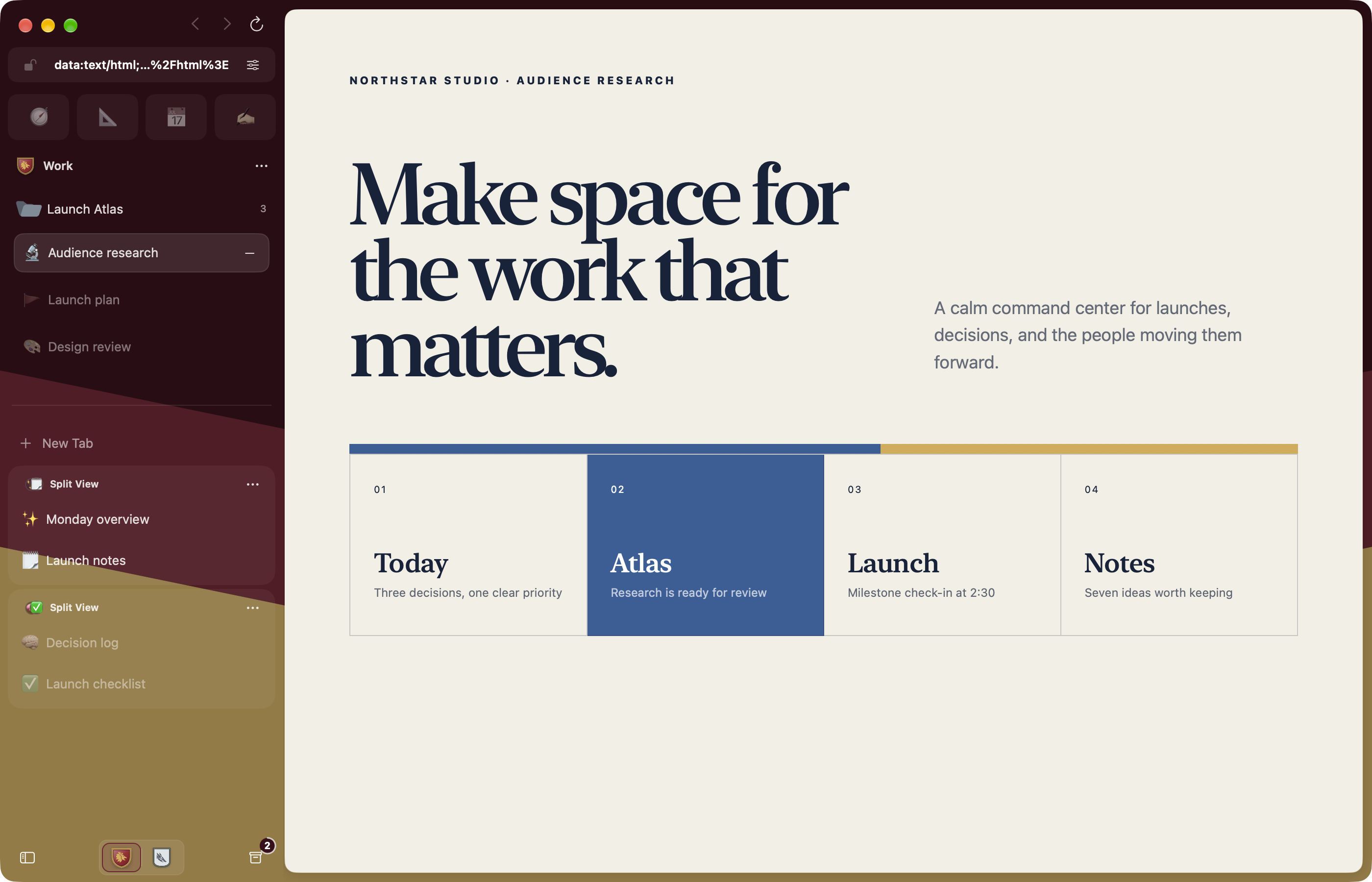
669 星,MPL-2.0,Swift,今天在 Swift 日榜上涨得最快。它的核心是“空间”:工作、生活、调研各开一个,每个空间的 Cookie、登录状态、历史、密码、扩展全分开。同一个网站在两个空间里可以登两个号,不用开无痕。
Mac 上默认用去掉谷歌服务的 Chromium 内核,能装 Chrome 商店扩展;遇到要放付费视频的页面会自动切到 WebKit。侧边栏、分屏、链接预览这些用过 Arc 的人会很熟悉,iCloud 同步到 iPhone 和 iPad。
适合 Arc 停更后还在找替代、或者经常要在多个账号之间来回切的人。
坑:门槛很高,Mac 版只支持 Apple 芯片和 macOS 26.1 以上,iPhone、iPad 也要 26.1。版本号还在 0.8,开发版一天发好几个,日常用选 Stable 通道。扩展兼容性官方说因扩展而异,广告拦截在 Chromium 页面上要自己装扩展。
brew install --cask crest-browser
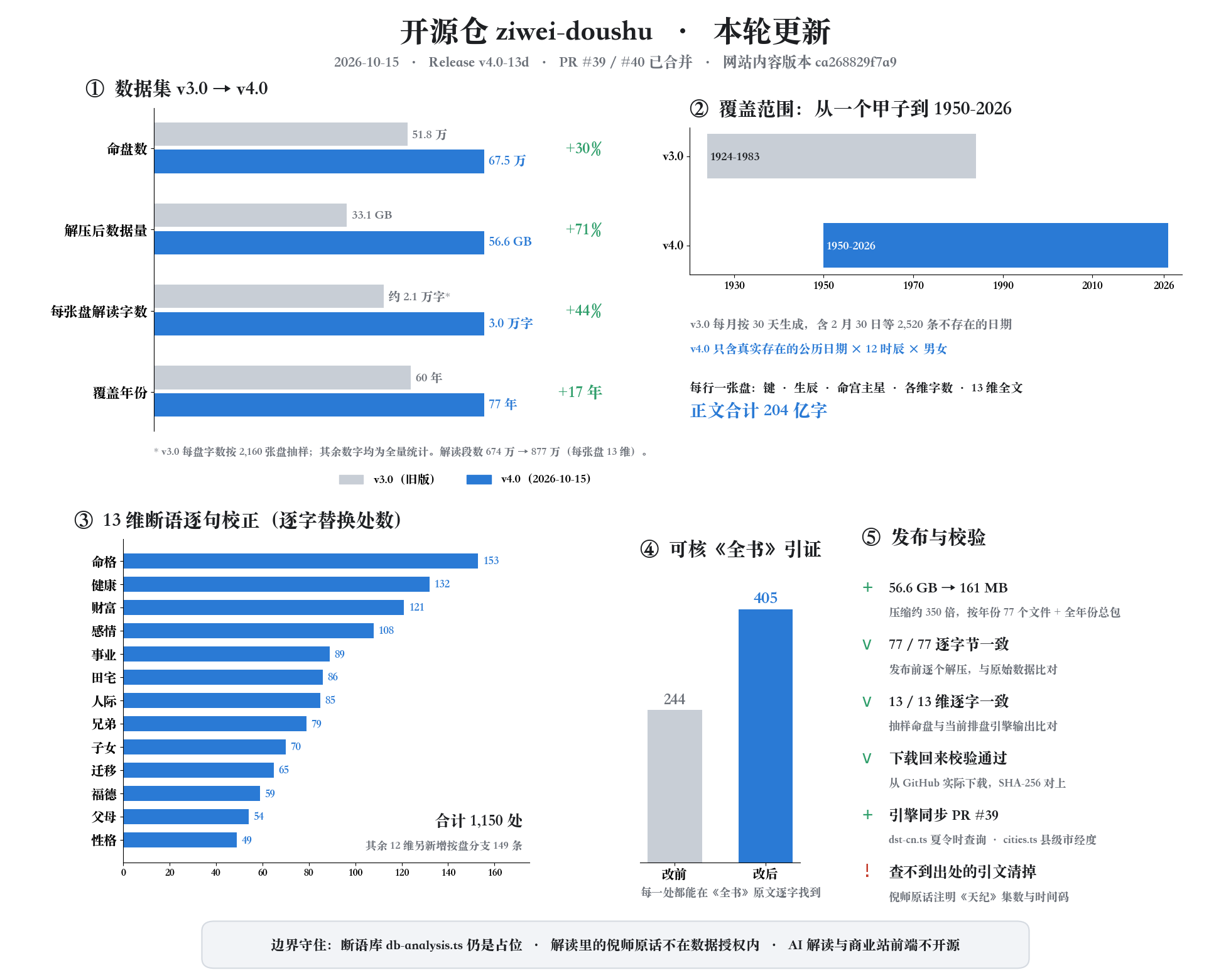
6902 星,代码 MIT,TypeScript。先说清楚,我不评价紫微斗数准不准,推它是因为这个仓库做得认真。
排盘引擎开源了,真太阳时、中国 1986 到 1991 年的夏令时、农历闰月边界这些细节都处理了,还补了回归测试。更大的是数据:10 月 15 号放出 67.5 万张命盘乘 13 个维度的解读数据集,CC BY 4.0,可以商用,标注来源就行;压缩后才 161 MB,按年份分包下载。倪海厦《天纪》里讲紫微斗数的原话整理了 1848 条,每条带视频时间码。
适合做命理类 App、内容号的开发者,或者想找一份大规模中文结构化文本练手的人。
坑:作者写得很坦白,线上那套上万行的断语库、AI 解读的提示词、后端都不开源,仓库里的界面只是个 Demo。数据集解读是规则生成的,不经 AI,但 10 月 20 号改了星曜亮度的默认算法,v4.0 数据里少量句子会跟新版排盘对不上。倪师原话那部分是非商用授权,别跟数据集的 CC BY 混在一起用。
今天日榜前排还是这周的熟面孔:ponytail、Cloudflare 的安全审计 skill、graphify、orca、opencode、ai-memory,都写过了。Anthropic 的 knowledge-work-plugins 又冒上来,10 月 9 号写过,没新东西就不重复。Twenty 和 Supabase 太有名,用不着我推荐。worldmonitor 星很多,但它是个全球新闻和地缘局势看板,看着热闹,对大多数人没啥用。周榜第一的 morluto/rea 星数涨得太陡,还是不碰。
剩下挑了六个:Genspark 开源的 AI 办公套件 GenOffice,给每个 Agent 配一台自己电脑的 OpenBot,让 Agent 做网页别那么千篇一律的 Taste Skill,DeepSeek Harness 的上下文看板插件,一个免费开源的 Mac 清理工具,还有把安卓电视变成 AirPlay 接收器的小 App。后两个是纯工具,跟 AI 没关系,但用得上。
星数是 10 月 23 日上午 GitHub API 的快照。
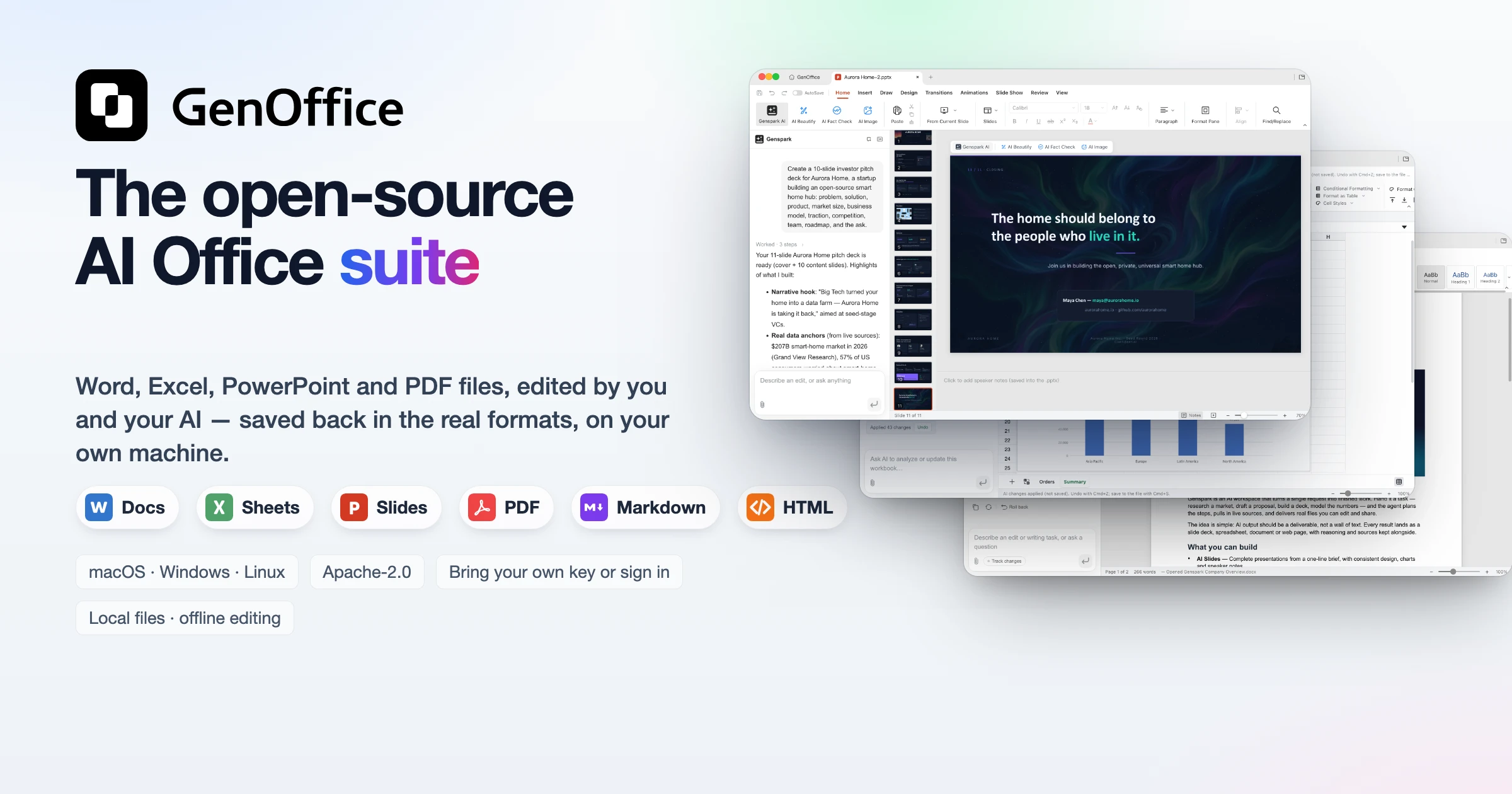
约 1.06 万星,Apache-2.0,TypeScript 加一个自研的 Rust 表格引擎,7 月底才建。它想当一个开源版的 Office:Word、Excel、PPT、PDF、Markdown、HTML 六个编辑器,每个旁边都挂着 AI。
跟一般“AI 写文档”工具不一样的地方是,它改的是真文件。打开 docx 改完存回去,没动过的部分一个字节都不变,拿回 Word 里照常打开;AI 改的内容可以按修订模式显示,每一轮都能一键回滚;表格里 AI 写的是真公式,不是把算好的数字贴进去。PDF 能直接改页面里的字,PDF 转 Word 也是本机完成,不上传。
我觉得最实用的是它自带的 genoffice 命令行和 MCP。装好之后,Claude Code、Codex、Cursor 这些 Agent 可以不开窗口直接生成和修改 Office 文件,做完还会自己检查 PPT 有没有字溢出、元素叠在一起。
适合天天跟 Word、Excel、PPT 打交道,又想让 Agent 直接交付真文件的人,比如做周报、写方案、出汇报 PPT。
坑:它是 Genspark 家的,默认引导你用 Genspark 账号登录,这样模型调用会走他们的代理;不想这样就自己填 Claude、DeepSeek、Kimi 这些的 Key。官方安装包默认开着匿名使用统计,设置里能关。编辑本身在本机,但 AI 功能都要联网。复杂排版的 Word 文档在它和 Word 之间来回改,还是先拿一份不要紧的试。
npx skills add genspark-ai/genoffice
6950 星,MIT,TypeScript,CopilotKit 团队出的。它的样子和 ChatGPT 差不多,区别是整套跑在你自己的服务器上。每个 Agent 是一个“同事”,有自己的容器、自己的浏览器和登录状态、自己的文件夹,只能用你给它开的工具。
我最看重的是它的那道闸门:Agent 对浏览器、文件、命令行、MCP 做的每一个动作,都要先过一个网关,按规则判断允许还是拒绝,然后记进审计日志,没有绕过去的路。遇到登录墙或者两步验证,Agent 会喊你接手,你操作的时候它的动作会被拒绝,不会排队乱跑。密码只记“要过、多长”,不会出现在聊天记录里。
适合想在公司内部搭一个自己能管住的 Agent 平台的技术团队,尤其是金融这种对审计有要求的行业,它示例里就带了一套金融场景。
坑:README 自己说了,这是个模板,不是产品,而且还是 alpha,要你克隆下来自己改。更关键的是它依赖 CopilotKit 自家的 Intelligence 服务来存对话和记忆,默认连他们的托管版;想全部本地跑,目前只有 macOS 上的预览版,许可证 30 天要续一次。说是开源自部署,实际有一块绑在 CopilotKit 身上,选型前想清楚。
bash scripts/start.sh
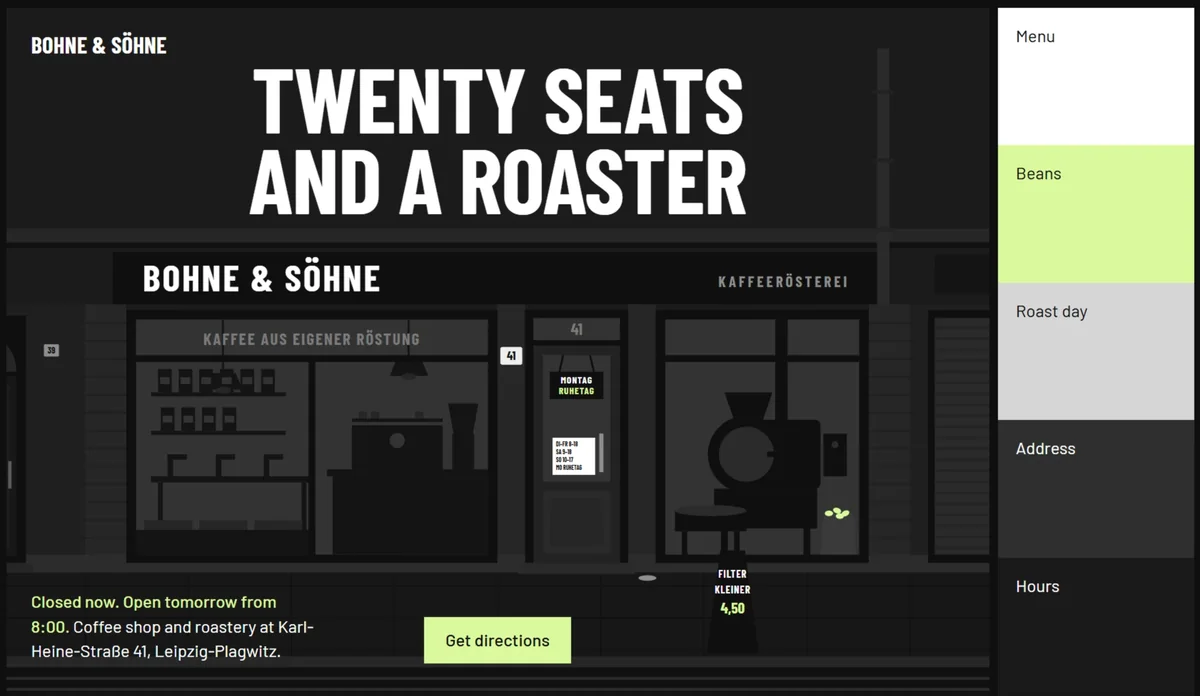
约 10.1 万星,MIT。用 Agent 做落地页的人都见过那种“AI 味”:紫色渐变、居中大标题、三张卡片。Taste Skill 是一个 Agent 技能,专门治这个。v2 版本是作者研究了 247 个精选网站之后写的,流程分六步:先从你的需求里找出只有你家才有的东西,再从 20 个设计方向里抽三个让 Agent 挑一个,用公开图库里的真实照片,最后在真浏览器里按三种宽度截图检查,自己挑出最大的三个问题改,最多改三轮。
上面这张咖啡店页面就是它从一段需求做出来的。v2.1 起还能做后台和仪表盘。
适合不会设计、但经常让 Claude Code、Codex 帮忙做网页和产品原型的人。
坑:慢,而且费 token。README 写得很老实,做一个页面大概 30 到 45 分钟、几十万 token,按量付费的话心里要有数。图片来自 Wikimedia、Openverse 这些开放图库,有的是 CC BY-SA,要保留署名,正式上线最好换成自己的图。以前那几个老技能都搬到别的仓库了,看老教程装可能对不上。需要 Node 22 以上和 Chrome。
npx skills add https://github.com/Leonxlnx/taste-skill --skill "design-taste-frontend"
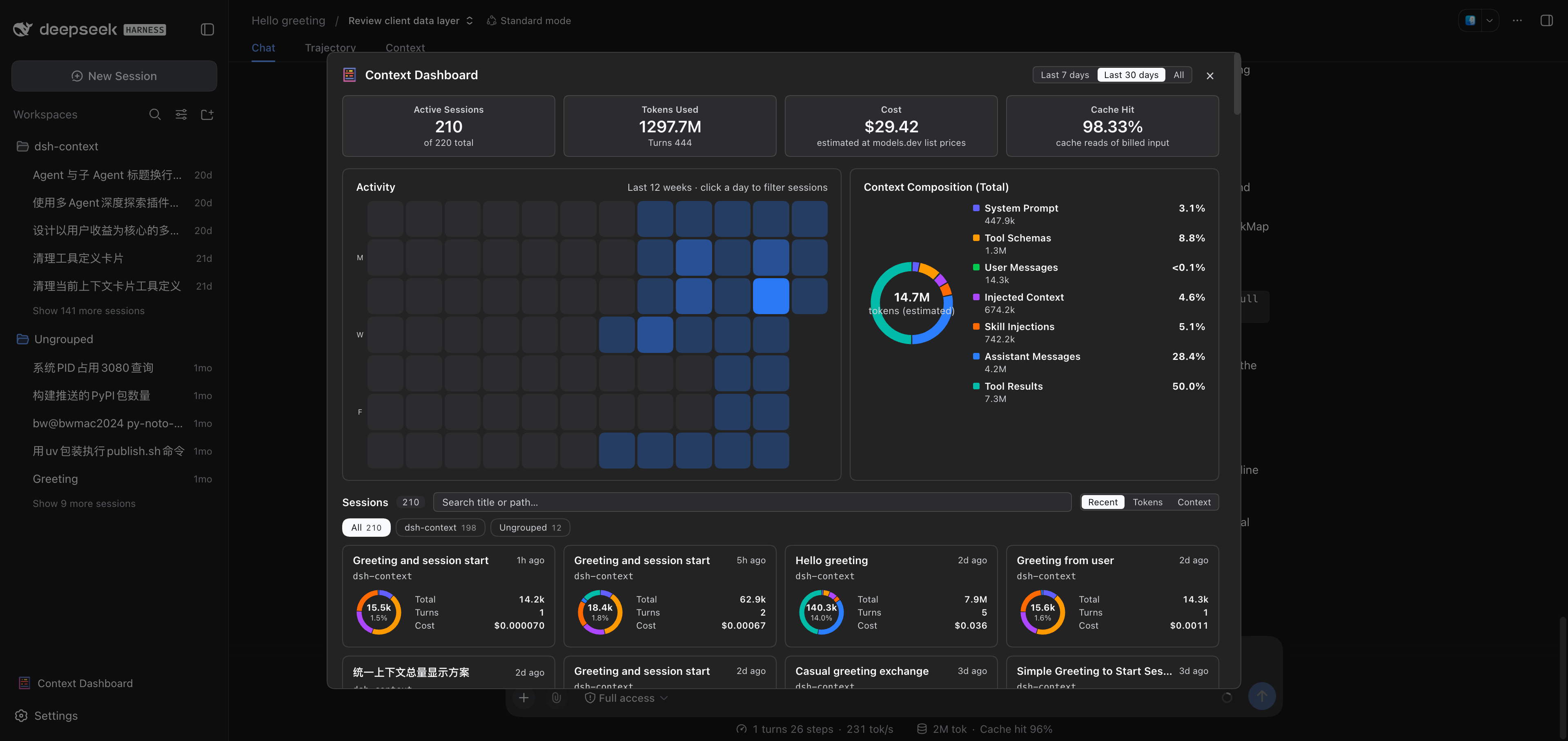
3411 星,Apache-2.0,国人作者。DeepSeek 自己开源的 Agent 工具 DeepSeek Harness(命令叫 dsh)10 月初写过,这个是给它做的插件,DeepSeek Harness 团队的人在 X 上公开推荐过。
它解决的问题很具体:Agent 跑着跑着变慢变贵,你不知道上下文窗口里到底塞了什么。装上以后多一个上下文面板:系统提示、工具定义、你的消息、工具返回结果各占多少 token,每次请求窗口怎么涨的,哪次被自动压缩了、压掉多少,Agent 读写了哪些文件,子 Agent 各花了多少钱,一目了然。还能点开任何一次请求,看它实际发给模型的完整内容。
适合已经在用 dsh 写代码、想搞清楚钱花在哪、为什么老被压缩的人。顺带也是理解 Agent 上下文怎么运作的好教材。
坑:只能用在 DeepSeek Harness 上,别的 Agent 用不了。dsh 本身还在 0.2 版本,插件只验证过 0.2.0 和 0.2.1 两条线,dsh 一升级可能就要等插件跟上。各分类的 token 是估算,费用按公开价目表算,跟账单会有出入。
dsh plugin --profile web add dsh-context
1949 星,BSD-3-Clause,Swift 写的原生 App,5 月才建。CleanMyMac 一年要 40 美元,这个免费,功能对得上大部分:一键扫描、系统垃圾、卸载残留、重复文件、大文件、磁盘占用图、浏览器隐私清理、恶意软件扫描,菜单栏还有个 CPU、内存、电池的小面板。程序员会喜欢的是它能找 node_modules、Rust 的 target、Docker 和 Xcode 模拟器这些占地方的东西。
几个让我放心的点:删东西先进废纸篓,30 天内能一键恢复;有受保护路径清单;声称没有任何统计和联网,还教你用两条命令自己验证;安装包经过苹果公证,打开不会弹警告。
适合磁盘老是不够、又不想给清理软件交年费的 Mac 用户,特别是电脑里有一堆旧项目的开发者。
坑:项目很新,主要是作者一个人在做,清理软件删错东西的代价比别的工具大,第一次用每一项都先看清楚再点。要 macOS 14 以上;隐私、邮件附件、恶意软件这几项要给完全磁盘访问权限,维护任务还要管理员密码。系统垃圾里有一项“通用二进制瘦身”,会直接改写 App 本体,可能让签名失效、自动更新出问题,我建议这项别勾。
brew install --cask mac-sai
761 星,GPL-3.0,Kotlin。家里电视是安卓的、手机是 iPhone,想投个屏就得买个 Apple TV 或者装来路不明的投屏软件。这个 App 装到安卓电视、盒子或者平板上,它就变成一个 AirPlay 接收器:iPhone、iPad、Mac 屏幕镜像、放视频、放音乐都行,支持 H.265,有 PIN 码保护,还能通过 USB 线给 Mac 和 iPad 当有线副屏。作者说这是第一个开源的安卓 AirPlay 2 接收器,底层用的是成熟的 UxPlay。
Google Play、F-Droid 和 GitHub 都能下,不用自己编译。
适合家里有安卓电视或闲置安卓平板、又用苹果设备的人。
坑:苹果 TV App 这类带版权保护的内容放不了,README 明说不支持 DRM,所以别指望拿它看 Apple TV+。发送端和电视要在同一个网段,公司网络或者开了访客隔离的路由器可能找不到设备。它跟苹果没有官方关系,系统一更新协议出问题,得等作者修。
adb shell settings put global tether_force_usb_functions 1
今天日榜前排又是熟面孔:Cloudflare 的安全审计 skill、Orca、headroom、ponytail、ai-memory、graphify,这些这周和前几周都写过,不重复。vLLM、ComfyUI、Supabase 太有名了,用不着我推荐。Twenty 是开源 CRM,前天刚写过一个 CRM,先放放。Strix 是 AI 渗透测试,和上周写的 PentAGI 撞方向;Kronos 金融大模型又上了榜,但仓库最近一次推送还停在 4 月,也不写。
剩下挑了六个:飞书官方的命令行,让 Agent 像同事一样在看板上领活的 Multica,给 Agent 用的浏览器 ego lite,浏览器里先搭三维场景再交给 AI 出视频的 CozyClay,让 AI 直接画嘉立创 EDA 的 easyeda-agent,还有一个国产的全能终端 uniTerm。后三个星数不多,但都是能解决具体问题的东西。
星数是 10 月 22 日上午 GitHub API 的快照。
约 1.78 万星,MIT,Go,飞书团队自己维护。前几天写过谷歌全家桶的命令行,这个是飞书版,而且覆盖面更大:消息、云文档、多维表格、电子表格、幻灯片、日历、邮箱、任务、会议、审批、OKR 都有,200 多条整理过的命令,外加 26 个现成的 Agent 技能。命令分三层:带加号的快捷命令最好用,中间一层和开放平台接口一一对应,最底下可以直接调任意开放平台接口。
几个细节看得出是认真为 Agent 做的:默认输出 JSON,成功和出错分开走不同的输出流;有副作用的命令可以先加 dry-run 预览;登录可以先返回授权链接、不卡住进程,等人在浏览器点完再继续;凭证存在系统钥匙串里。还可以选择用你本人身份还是机器人身份执行。
适合公司用飞书、又在用 Claude Code、Codex 这类 Agent 的人,比如让 Agent 每天汇总日程和待办、整理会议纪要、往多维表格里写数据。
坑:授权以后 Agent 就是以你的身份在操作,能看到的、能发的都在你授权的范围里。官方自己在 README 里提醒,别把接了它的机器人拉进群、别让别人跟它对话,防止权限被滥用和数据泄露。默认会给官方接口附带操作系统类型和设备型号用于风控,不想要可以关。第一次用要先建一个飞书应用拿凭证,公司账号能不能建应用、能开哪些权限,得看你们管理员。
npx @larksuite/cli@latest install
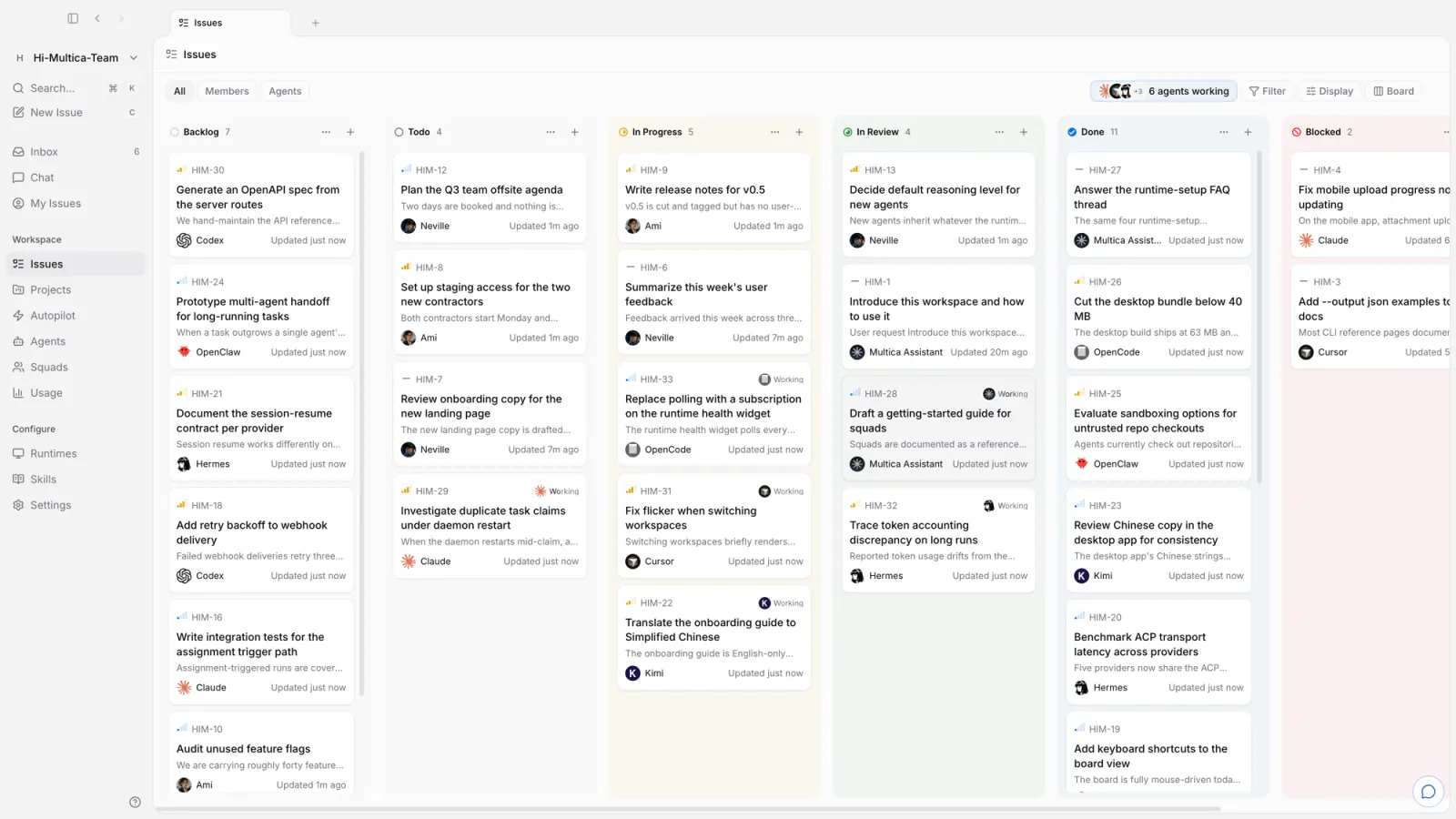
约 5.35 万星,Go 后端加 Next.js 前端。同时开着三四个 Agent 的人都知道那种累:每个都在自己的终端窗口里,会话一结束就失忆,同样的背景要讲好几遍。Multica 的做法是搬一块看板过来,给每个 Agent 起名字、配一个模型和一台跑它的机器,然后像给同事派任务一样,把 issue 指派给它。它自己领活、边做边留评论、卡住了会叫你,做完交到待审核,不会直接合进主分支。
它不自带模型,驱动的是你机器上已经装好并登录的 Agent 命令行,README 列了 26 个,Claude Code、Codex、Cursor、Kimi、Qwen Code 都在。代码在你自己的机器上跑,不上传。每次运行的工具调用、命令和报错都能回放,花了多少钱按 Agent 和 issue 统计。还能接 Slack 和飞书,飞书新连接目前只开放给国内版。
适合已经在用好几个编程 Agent、想把它们管起来的小团队或者一人公司。
坑:协议不是标准开源协议。它叫 Multica License,是 Apache 2.0 全文加一组附加条件:公司内部自己用没问题,但拿它给外部用户提供托管服务,哪怕免费也要买商业授权;界面上的 logo 和名字也不能去掉。主分支几乎每个工作日都在发版,变化快。自部署要 Docker,iOS 版还没上 App Store,得自己从源码编译。
curl -fsSL https://raw.githubusercontent.com/multica-ai/multica/main/scripts/install.sh | bash -s -- --with-server
约 1.86 万星,仓库是 MIT。让 Agent 操作浏览器,最烦的是两件事:它用的浏览器没有你的登录状态,或者它一开工就把你的浏览器抢走了。ego lite 是一个基于 Chromium 的浏览器,里面分成一个个隔离的 Space,Agent 在自己的 Space 里跑,你在前台照常上网,鼠标不会被抢。第一次打开会问要不要迁移 Chrome 的数据,迁过来以后 Agent 就能用你已有的登录、Cookie 和扩展。
它给 Agent 的不是一条条命令,而是一组页面里的 JavaScript 函数,Agent 可以一次写一段代码把多步操作做完,少来回几轮。README 里放了一个 31 个任务的对比测试,说比几个同类工具快 47% 到 63%,这是他们自己跑的,参考就好。
适合经常让 Claude Code、Codex 帮忙查资料、填表、批量整理网页信息的人,尤其是那些要登录才能看的网站。
坑:开源的只是这个仓库里的技能和辅助代码,浏览器本体是单独免费下载的,README 原话是 a separate, free download,源码不在这里。目前只有 macOS 和 Windows,Linux 还在路线图上。把你所有的登录状态交给一个 Agent 能随便驱动的浏览器,这件事本身就要想清楚:哪些账号适合放进去,最好心里有数。
npx skills add citrolabs/ego-lite
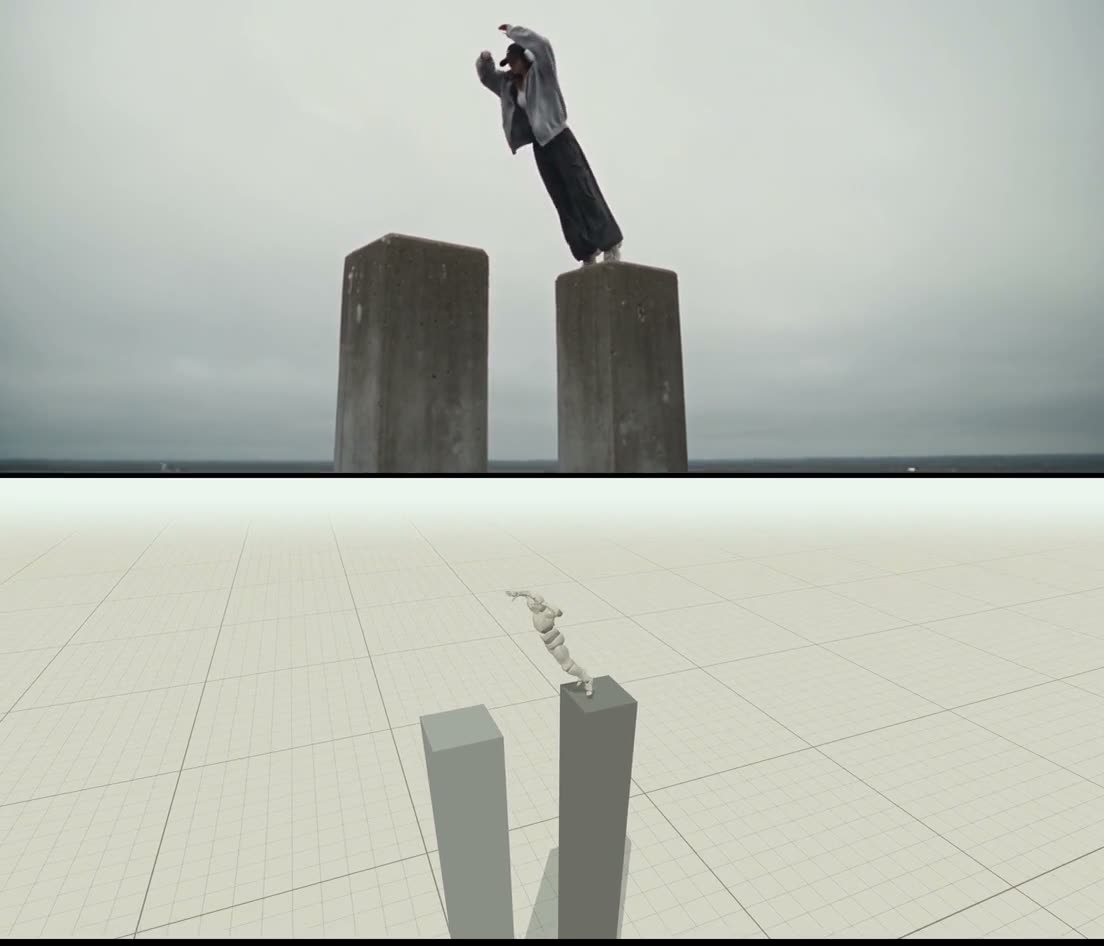
893 星,AGPL-3.0,JavaScript。做过 AI 视频的人都有体会:一句提示词装不下一整场戏,谁站哪、怎么动、镜头在哪、什么时候切,全靠模型猜,猜错一次就要再付一次钱。CozyClay 是影视里说的预演工具,在浏览器里先用简单几何体搭场景、摆角色,用大白话描述动作,Agent 把它写成动作脚本,再由浏览器里的编译器逐帧算出来,还会检查穿模、脚底打滑这些问题。然后排镜头、画轨道,最后导出首尾帧、白模参考片段和描述真实构图的提示词,交给视频模型。
上面这张图就是例子:下半部分是它搭的跑酷白模,上半部分是视频模型照着生成的结果,动作和机位都对得上。
不需要显卡,不用装 Python,也不用下模型。可以在界面里直接聊,也可以开 MCP 让 Claude Code、Cursor 来操作。
适合做 AI 短片、广告分镜、动画前期的人,尤其是被视频模型抽卡抽怕了的。
坑:它只管前期,视频本身还得你自己拿去喂给别的模型生成,那部分的钱照样要花。协议是 AGPL,改了它再放到网上给别人用,就得公开你改过的源码。项目 7 月底才建,几乎天天在改,最新的未发布版本还刚删掉了几个内置场景和教程。官方的 npm 包和网站会收集匿名使用统计,可以用 cclay telemetry off 关掉。需要 Node.js 22.19 以上和 Chromium 内核的浏览器。
npx cozyclay
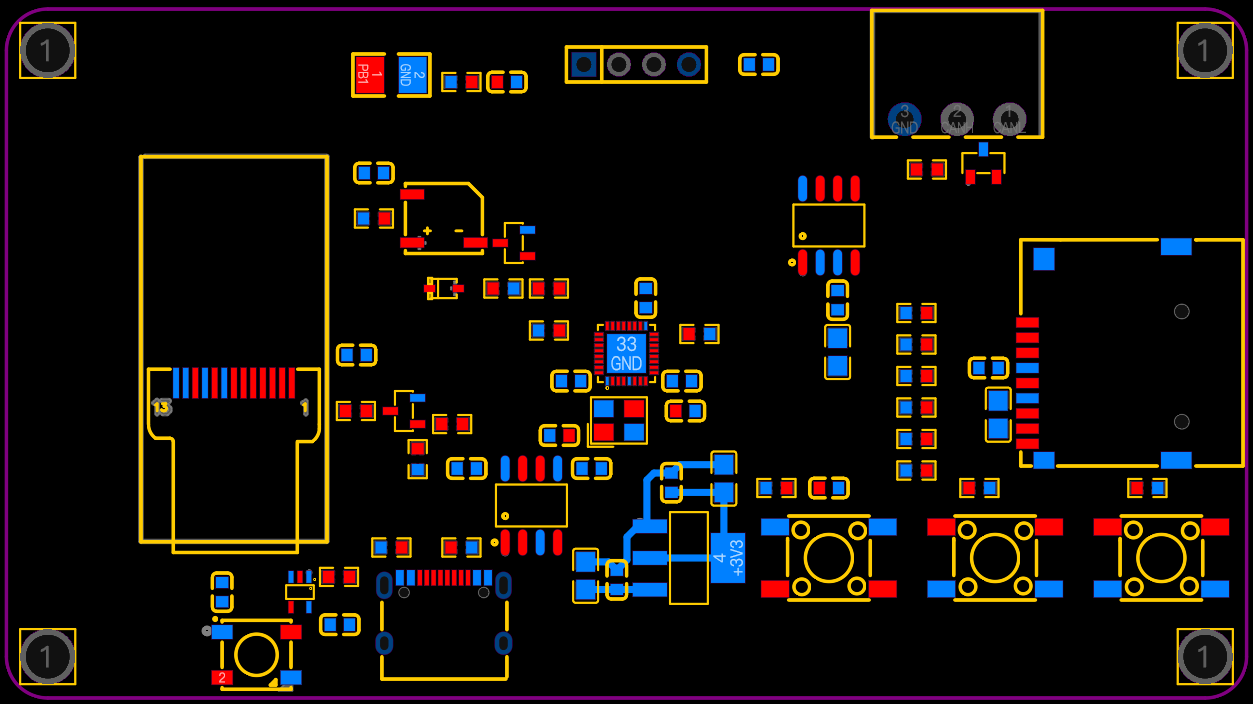
771 星,主体 MIT,Go,中文项目。它给嘉立创 EDA 专业版装了一层 AI 自动化:你说要一块什么板子,Agent 读真实的工程数据,通过嘉立创官方的扩展接口去画原理图、布局、布线、铺铜、整理丝印,最后跑 DRC。还能拿一份数据手册 PDF 帮你建器件库,把非标器件换成带立创编号的标准件。
我觉得它最靠谱的地方是不靠截图猜:每次写入前检查器件和引脚,写完再回读网络和几何关系核对,部分失败或者超时就停下来,不会一直盲目重试。README 里的例子也写得很老实,哪些验证过、哪些没验证、不能当成生产就绪的证明,都标了。
适合用嘉立创画板子的硬件工程师、创客和学生,尤其是那些重复又磨人的活,比如建库、换料、整理丝印。
坑:要装三样东西:命令行和后台服务、装在 EDA 里的连接器插件、给 AI 客户端用的技能,还要在 EDA 设置里打开允许外部交互。只支持嘉立创 EDA 专业版 V4,V3 要先升级。密一点的板子完整自动布线要另外接 Freerouting,内置的只适合短线;EDA 的扩展接口没有程序化撤销;阻抗控制它没法自动判断合格。重要工程先备份。仓库里有一部分移植来的代码是 Apache-2.0,所以 GitHub 上协议显示不出来。
easyeda health
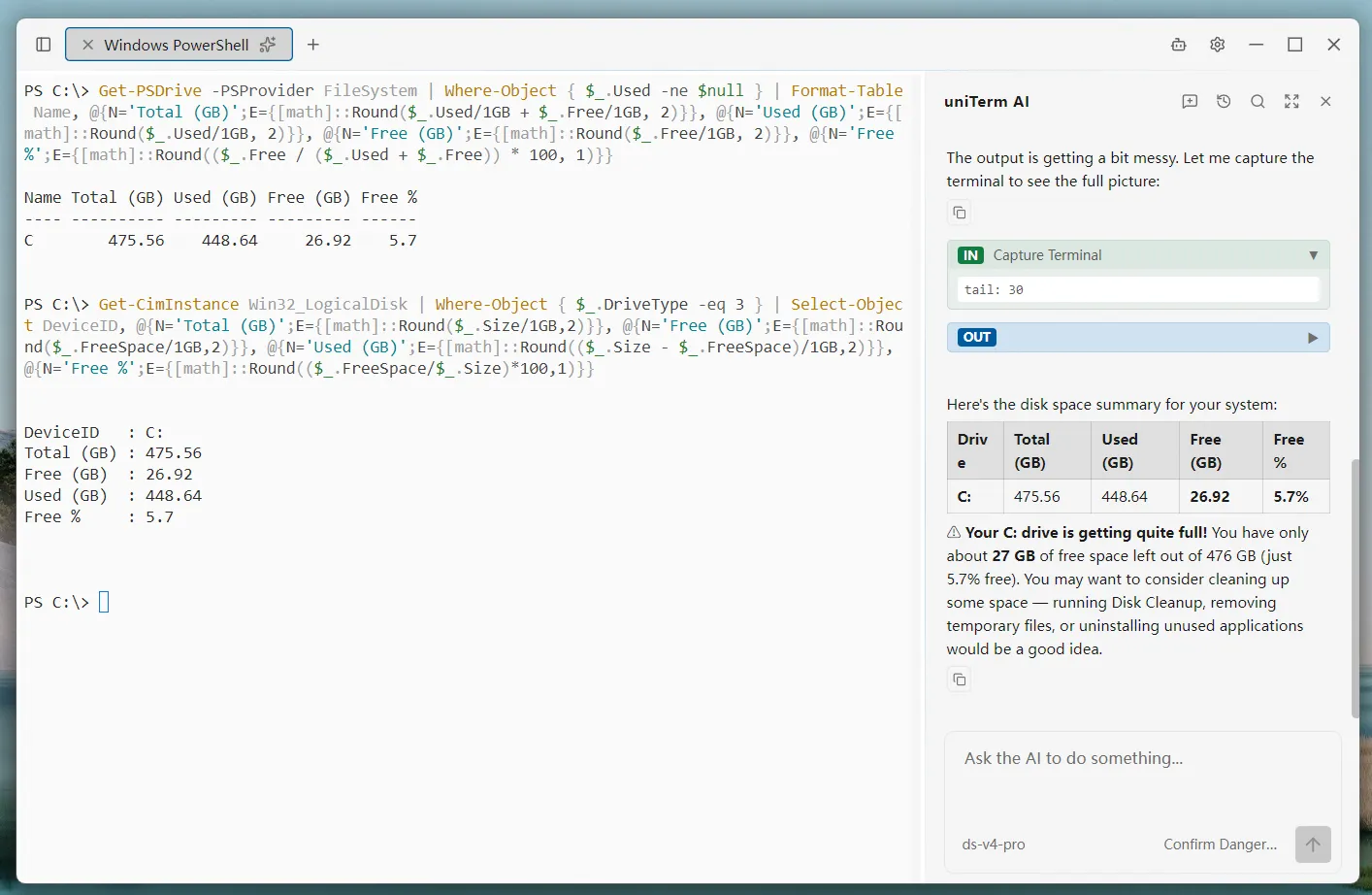
882 星,Apache-2.0,Go 写的,界面是 Vue。做运维或者后端的人电脑里通常装着一串工具:一个 SSH 客户端、一个传文件的、一个远程桌面、一个数据库客户端、一个看 K8s 的。uniTerm 想全收了,README 列了 30 多种协议:SSH、Telnet、Mosh、串口,SFTP、FTP、SMB、WebDAV、S3,RDP、VNC,MySQL、PostgreSQL、Redis、MongoDB、Elasticsearch,还有 Kubernetes、Docker、Podman。
它还带了一个 AI 侧边栏,能在当前终端里自己规划、执行、看结果、再执行,执行模式有四档,从完全放手到每条都要你确认。也开了 MCP,让 Claude Code、Codex 通过它在你保存的服务器上跑命令,密码不出这个 App。Windows、macOS、Linux 都有包,还有安卓版。连接配置可以通过私有 Git 仓库或者 WebDAV 同步。
适合每天要连好几台服务器、几个数据库的运维和后端,想少开几个窗口的人。
坑:项目 5 月才建,星数不多,主要是作者个人在维护,长期能撑多久要再看。Windows 版没买代码签名证书,可能被杀毒软件误报,作者建议只从 GitHub 和 Gitee 下载。按 README 的协议表,RDP 只在 Windows 上能用。AI 那档完全放手的模式别在生产服务器上开。
brew install --cask ys-ll/uniterm/uniterm
今天日榜前排还是那几张老面孔:AI 求职、Cloudflare 的安全审计 skill、Orca、graphify、OpenCode,这周都写过,我不重复。周榜第一的 rea 一周又涨了十五万多星,照旧不追。LinkSwift 和 YunX 是网盘解析,LibreTV 是一分钟搭影视站,free-claude-code 主打免费 token,dsh-infinite-gen-5 是逆向工具,这几个都不写。VoiceStudio、ponytail、headroom 这几个月都写过,这次也不重复。
剩下挑了六个,方向比较散:一个想从头重做 WordPress 的 CMS,腾讯开源的团队级 Agent 记忆,Mac 上的本地语音输入,能在 CPU 上跑的语音合成,一个能直接读写 DWG 的开源 CAD,还有一套给科研 Agent 用的技能库。
星数是 10 月 21 日上午 GitHub API 的快照。
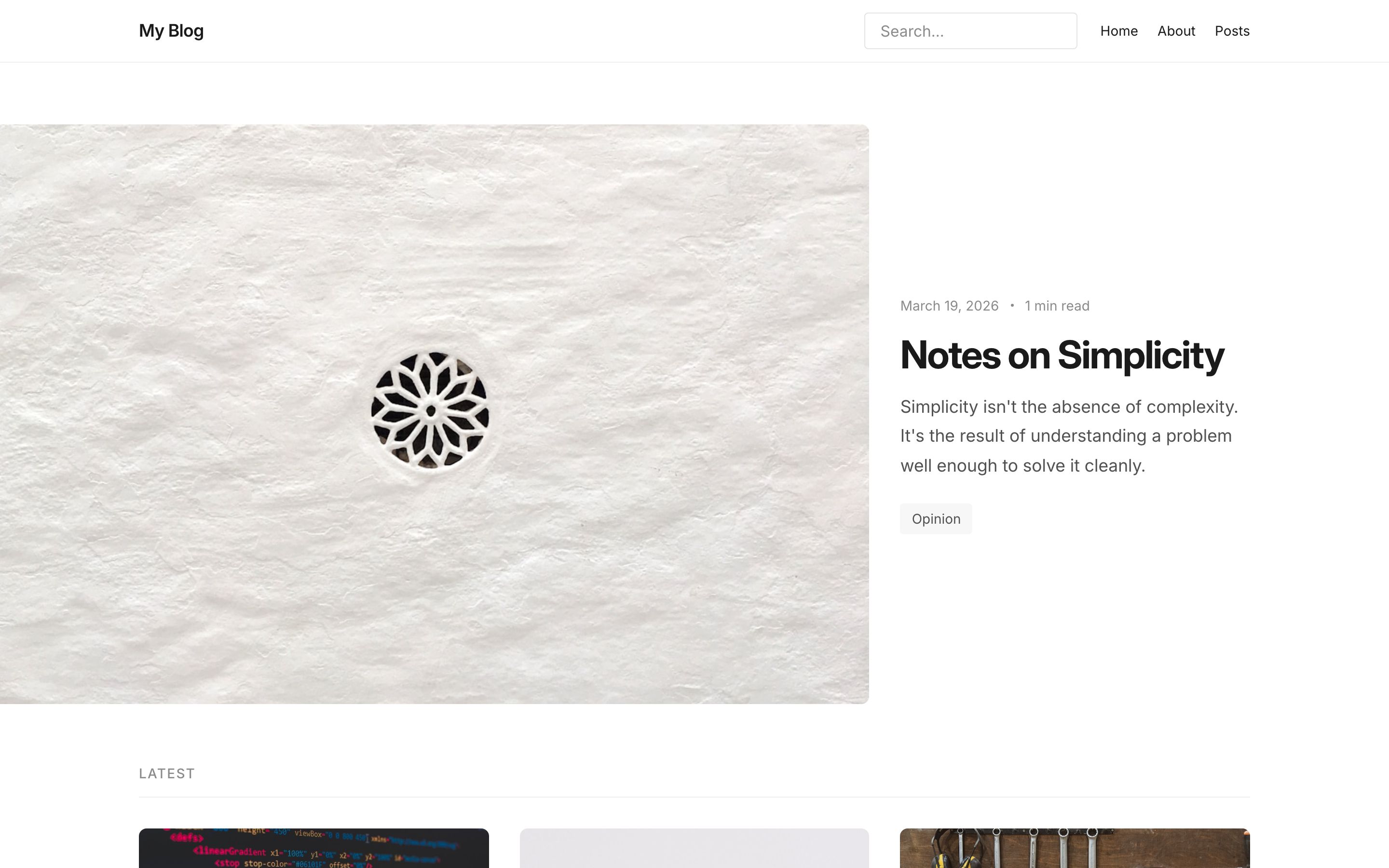
约 1.38 万星,MIT,TypeScript。我们这个站就跑在 WordPress 上,所以看它的时候带了点私心。EmDash 是一个基于 Astro 的全栈 CMS,后台、REST API、登录、媒体库、插件系统都有,可以跑在 Cloudflare 上,也可以跑在任何带 SQLite 的 Node.js 服务器上,不用 PHP。
它想解决的是 WordPress 最让人头疼的地方:插件。WordPress 插件能碰数据库、文件和用户数据,一个插件出洞整站遭殃。EmDash 的插件要先声明自己要什么权限,比如只读内容和发邮件,然后关在隔离的沙箱里跑,只能干声明过的事。正文不再存成一坨 HTML,而是存成结构化的 JSON,换前端不用洗数据。它还自带 MCP 服务和命令行,Agent 可以直接管内容和字段。
迁移这块做得挺认真:能从 WordPress 导出文件、REST API 或者 WordPress.com 导入文章、页面、媒体和分类标签。
适合准备新开博客或内容站、本来就熟 Astro 和 TypeScript 的人,也适合被 WordPress 插件安全问题折腾怕了的小团队。
坑:WordPress 的主题和插件不能直接搬过来。文档写得很清楚,主题要改写成一个 Astro 项目,插件要按它的格式重写,你装过的那一堆插件就是你的迁移成本。插件沙箱在 Cloudflare 上要用 Workers 付费套餐,免费套餐下新项目默认不开沙箱。核心包已经 1.x、承诺按语义化版本走,但官方插件和插件工具还在 0.x,小版本之间可能有变化。想先看看长什么样:
npm create emdash@latest
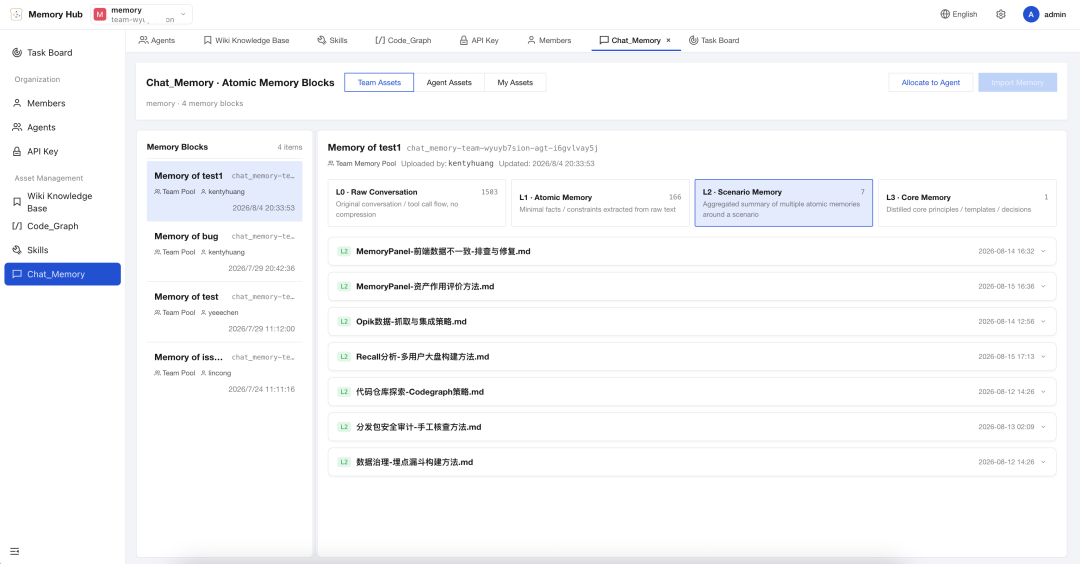
约 2.97 万星,MIT,TypeScript,腾讯云出品。这周写过个人用的 ai-memory,这个的重点不一样,是团队。它把聊天记忆、从对话里提炼出来的 Skill、文档生成的 Wiki、代码索引成的调用关系图,统一当成记忆资产来管:谁的、哪个版本、给哪个 Agent 用,都在一个面板里点。新建的记忆默认只有自己能看,分享要手动操作,团队管理员也看不到你的私有记忆。
接入方式比较省事:起一个代理,把 Claude Code、Codex、CodeBuddy、OpenClaw 这些 Agent 的接口地址指过去就行,不用装插件也不用配 MCP。聊天记忆分了四层,从原始对话一路提炼到长期画像,检索时先拿上面几层快速还原上下文,要具体事实再往下翻,还设了条数、字数和超时的上限,防止记忆把上下文窗口挤爆。
适合已经有好几个 Agent 分工干活的小团队,或者一个人开公司、手下挂着调研、写代码、测试几个 Agent 的人。仓库有中文 README。
坑:你的 Agent 请求要全部经过它的代理再转给大模型,这意味着流量和密钥都过它这一层,自己部署前想清楚。要配两套模型参数,一套给记忆本身提炼用,一套给代理转发用,记忆这边也要花 token。部署靠 Docker 起三个服务,Node 要 22.16 以上;MongoDB 存储还是实验功能。代码图谱目前优先支持公开的 HTTPS 仓库,私有仓库还在完善;记忆自动路由也还没做完,现在主要靠手动绑定。默认分支不是 main,是一个团队功能分支,团队记忆标着 Beta,老版本升级要自己备份和迁移数据。
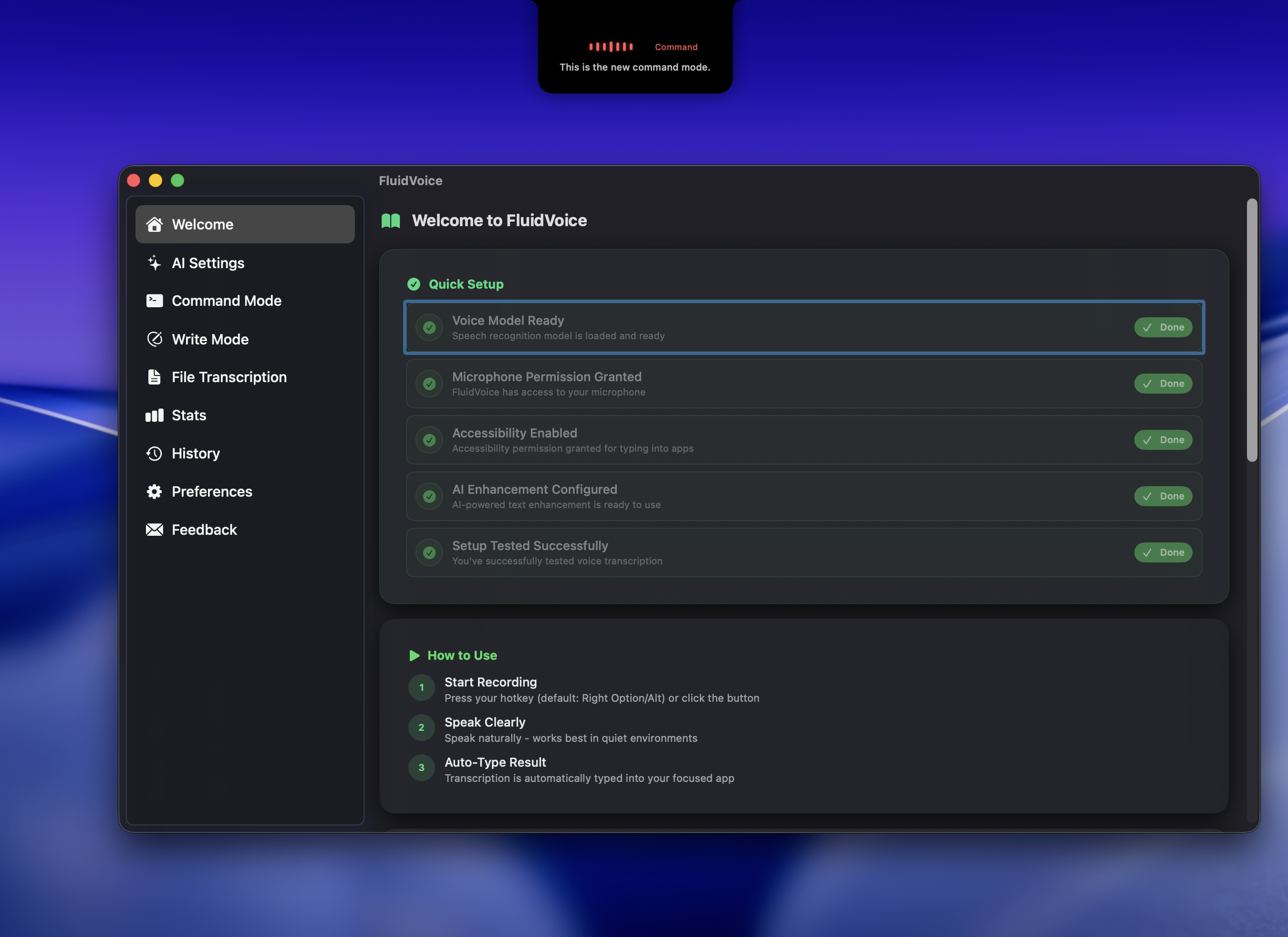
约 1.23 万星,GPL-3.0,Swift。按一下快捷键说话,字就直接打进你当前用的任何一个 App 里。语音识别模型都在本机跑,可以选英伟达的 Parakeet 和 Nemotron、Cohere Transcribe、Whisper,或者系统自带的苹果语音。除了听写,还有两个模式:Write Mode 选中一段字让它改写,Command Mode 用嘴开 App、跑快捷指令。
想让它顺手整理标点和格式,可以接 OpenAI、Groq 这类云端模型,也可以下作者的本地模型 Fluid Intelligence,不出本机。
适合每天打很多字、又不想把录音交给云端的 Mac 用户,尤其是写长消息、写文档多的人。
坑:中文要挑模型,README 里 Cohere Transcribe 和 Whisper 列了中文,默认推荐的 Parakeet TDT v3 支持的 25 种语言里没有中文。Fluid Intelligence 这个本地增强模型是闭源单独维护的,开源的只有 App 本身,模型约 3.5 GB。Intel Mac 只能用 Whisper 和系统自带的语音识别,系统要 macOS 15 以上,还要给麦克风和辅助功能权限。它默认会上报匿名的使用统计,不含录音和文字,不想要可以在设置里关掉详细统计,但每周一次的活跃信号关不掉。官网认准 altic.dev,README 专门提醒 fluidvoice.org 不是他们的。
brew install --cask fluidvoice
约 1.62 万星,代码是 Apache-2.0,Python。之前它出名是因为模型小,十几兆到八十兆参数,CPU 就能跑。现在的主力换成了 KittenTTS 2,17 亿参数的 1-bit 语音模型,号称在 CPU 上能实时出声;给它 5 到 30 秒某个人的录音,就能用那个声音念你的文字。内置 47 个音色,README 列了 20 种语言,中文在里面;可以用标签控制情绪和重音,长文本会自动按句切开再拼起来。在 Apple Silicon 上可以走 MLX 加速,Linux 有英伟达显卡可以走 vLLM。
适合想给自己的 App、播客或者视频配音,又不想按字数给云服务付钱的开发者,也适合想在本地做有声书的人。
坑:代码的协议和模型的协议是两回事。KittenTTS 2 的权重用的是 Stellon Labs 社区协议,个人和研究免费;商用要先找他们登记,公司年收入或者累计融资超过 100 万美元,授权直接终止,得另外谈。声音克隆别拿别人的声音乱用。CPU 跑大约要 6 GB 内存。情绪控制还是 Beta,README 自己也说只是引导、不保证;流式输出是按段生成的,第一段要等。中文听感我没试,先自己听两句再决定。
pip install kittenml
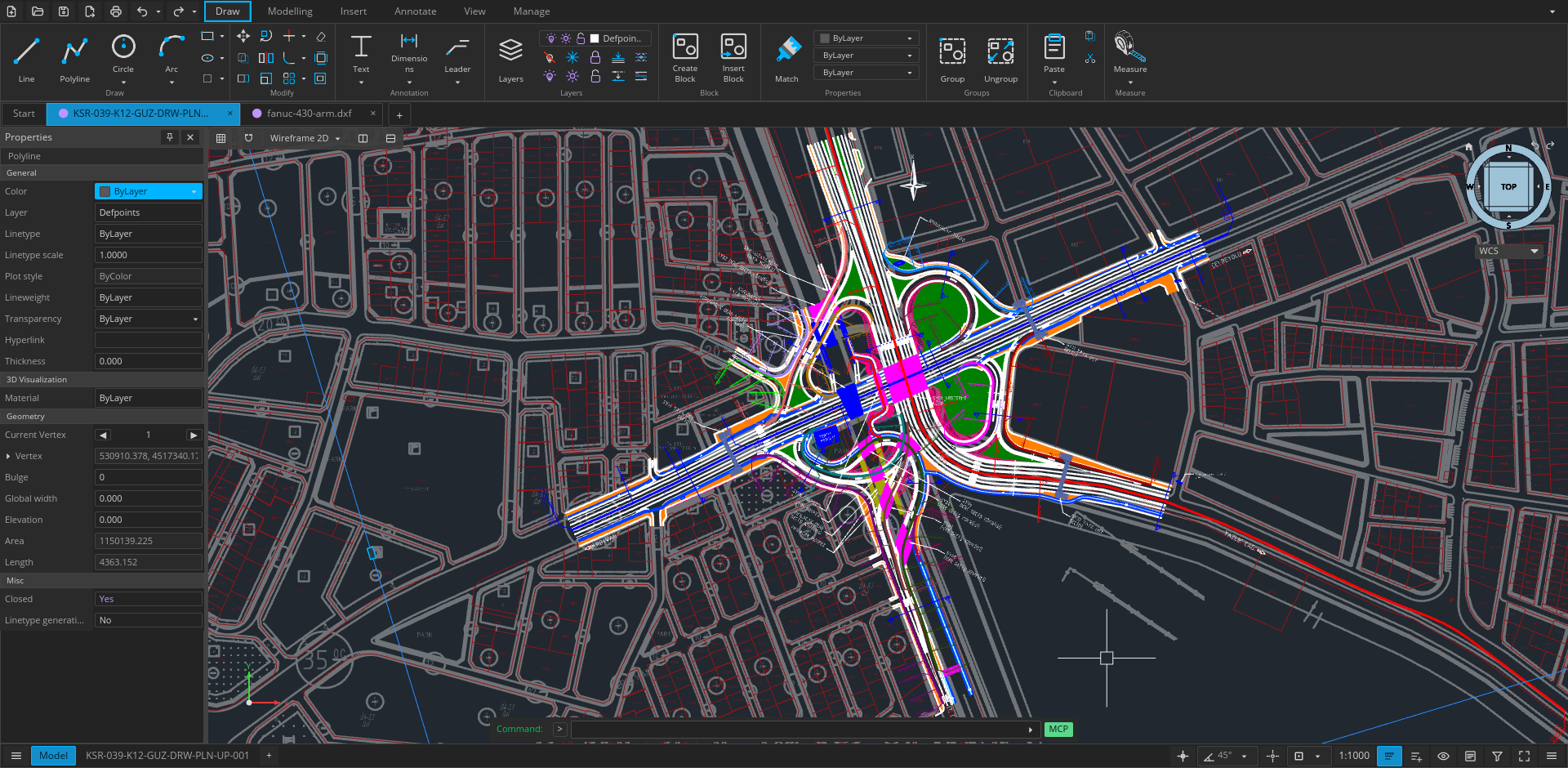
约 3400 星,GPL-3.0,Rust。开源 CAD 一直卡在一件事上:DWG。这个项目原生读写 DWG 和 DXF,不用先转格式,存档可以选 R14 到 2018 的版本。二维制图该有的都有,线、多段线、填充、捕捉、图层、块、外部参照、标注、图纸空间和视口;三维可以拉伸、旋转、放样、布尔运算。界面一眼看过去就是 AutoCAD 那一套的路子,老用户上手不难,支持简体中文界面。
有桌面版,Windows、Linux 和 Apple Silicon 的 Mac 都有包,也有不用装的网页版。桌面版还能命令行批量转格式,并且开了一个 MCP 接口,可以让 AI 直接操作正在开着的图。
适合偶尔要看图改图、不想为一个正版授权掏一大笔钱的工程、建筑、机械从业者,也适合在 Linux 上苦于没有 DWG 工具的人。
坑:作者自己写着还在积极开发,重要的生产图纸要留备份。项目今年 3 月才建,几乎每周一个版本,稳定性还要时间检验。Mac 版只做了临时签名、没有苹果公证,第一次打开要去隐私与安全性里放行。网页版存图是下载到本地,也不能加载插件。批量转格式这样用:
OpenCADStudio --export input.dwg output.dxf
约 5.33 万星,仓库是 MIT,Python。原来叫 Claude Scientific Skills,现在按开放的 Agent Skills 标准改了名,Claude Code、Codex、Cursor、Gemini CLI 都能用。177 个技能覆盖生物信息、化学、蛋白质、临床研究、材料、天文、地理遥感、实验室自动化这些方向,每个技能讲清楚一个专业库或者一个数据库该怎么用;另有一个数据库查询技能,整理了 80 个数据源怎么取数据。还附了论文,arXiv 上能查到。
它的价值在于少走弯路:Agent 自己也会调 Python 包,但用 scanpy、RDKit、PyDESeq2 这类专业库时,有一份写好的流程和坑点,出错少很多。
适合用 Agent 做数据分析的科研人员和研究生,也适合在做 AI 科研产品、想看看技能该怎么写的团队。
坑:仓库是 MIT,但每个技能有自己的协议,写在各自的 SKILL.md 里,用之前要看。现在有不少社区贡献的技能,官方自己都劝别一次全装,只装用得到的,装之前读一遍 SKILL.md,最好跑一下他们推荐的安全扫描。装技能不会顺带装依赖,每个技能要什么包、什么账号得自己配,不同技能的 Python 版本还可能冲突,最好一个流程一个环境。最新的 2.72.0 把原来带的 docx、pdf、pptx、xlsx 四个文档技能拿掉了,要用得去 Anthropic 的仓库装。
npx skills add K-Dense-AI/scientific-agent-skills
今天日榜前排几乎全是这周写过的:AI 求职、OpenCode、Orca、ai-memory、CLI-Anything、graphify、OpenUI、Claude 插件目录,我都没跟。周榜第一的 rea 一周又涨了二十万星,这种曲线我照旧不追;dsh-purge 是给模型破甲的提示词,LinkSwift 是网盘直链,都不写。Cloudflare 的 security-audit-skill 又冲上来了,但 9 月 17 号写过,九月中旬之后也没新提交,没什么新东西可讲。
剩下挑了六个,偏实用:在 Mac 上跑一台虚拟 iPhone 的 vphone-cli,让 Agent 自己维护客户资料的 CRM,Datawhale 给产品人写的 Vibe Coding 教程,一张给孩子学习用的知识依赖图,直接从公司招聘系统抓岗位的 freehire,还有一个告诉你手上这根 USB-C 线到底行不行的菜单栏小工具。
星数是 10 月 20 日上午 GitHub API 的快照。
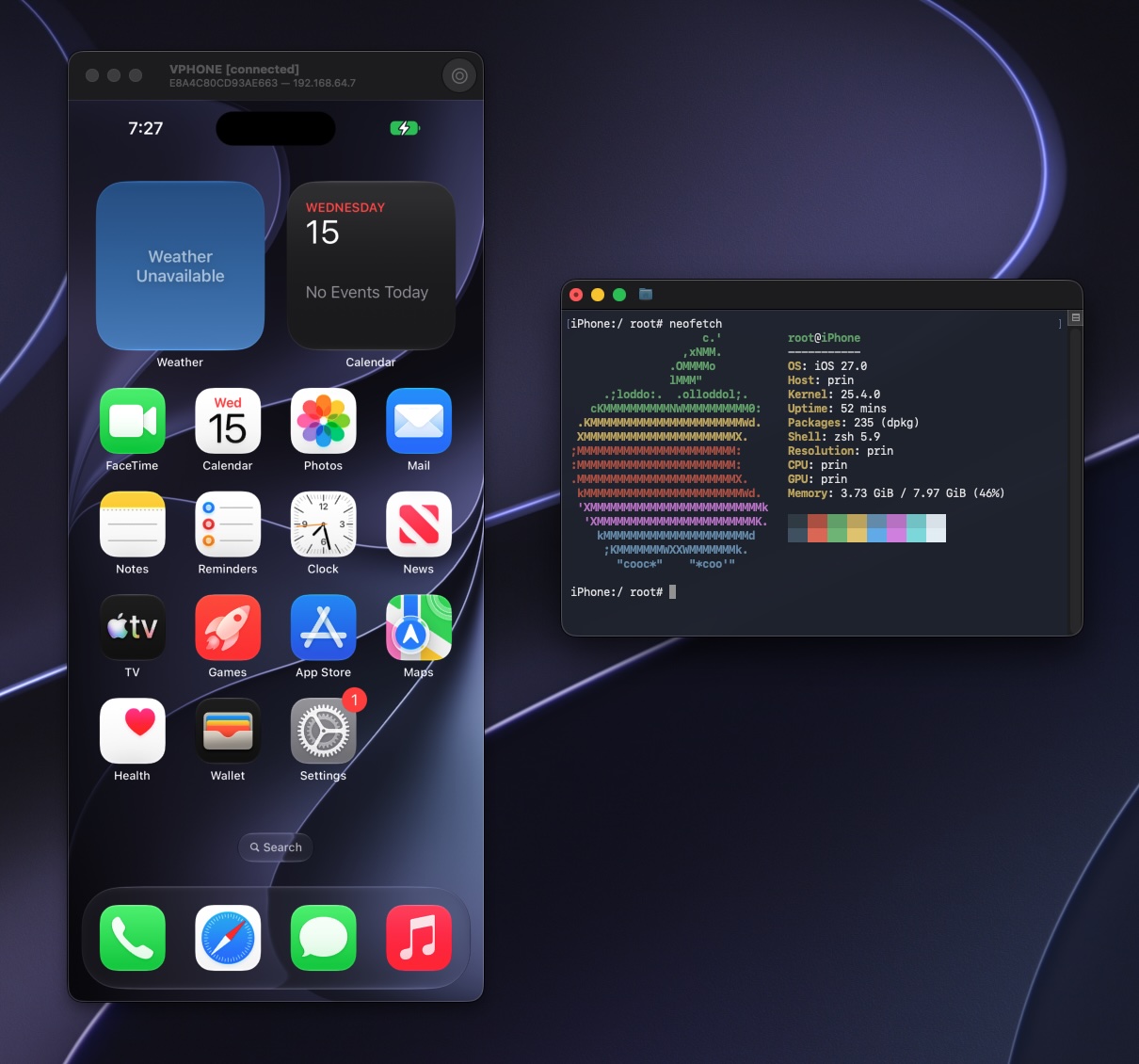
约 1.57 万星,MIT,Swift。9 月 17 号写过一次,这回值得再看,是因为上手方式变了。现在主推一个叫 Launchpad 的图形界面:下载、打补丁、恢复系统、开机都在里面点完,10 月 18 号的 2.10.1 有苹果公证过的版本。新建的虚拟机默认换成两个开源的引导 ROM,OpenAVB 和 OpenSEP,按 README 的说法,iBoot 和 SEPOS 之前跑的已经没有苹果写的代码了。README 还给了一段提示词,丢给 Claude Code 或 Codex 让它帮你装,提示词里明确写了不许它改 SIP,遇到要你本人操作的步骤就停下来问。
它跑的是真的 iOS,用的是苹果的 Virtualization.framework 和 PCC 研究虚拟机,不是 Xcode 模拟器那一套。能在 Mac 上直接操作虚拟机的屏幕、截屏录屏,导出和克隆虚拟机,还能开一个本地 HTTP 和 WebSocket 接口给自动化脚本用。
适合做 iOS 安全研究、逆向和调试的人,也适合想让 Agent 端到端测 iOS App 的团队。想多开一台日常用的 iPhone 刷 App,不是这个东西。
坑:必须是一台真的 Apple Silicon Mac,macOS 15 以上,放在 macOS 虚拟机里跑不了。要进恢复模式放宽调试限制,SIP 本身还是开着的:
csrutil enable --without debug
csrutil allow-research-guests enable
每台虚拟机默认就要 64 GB 磁盘,固件另算;恢复系统时要联网拿签名。不是每个版本都有公证包,2.9.4 和 2.9.5 就没有,下载时认准带 notarized 的那个。旧版本建的虚拟机还用苹果的 ROM,想切到开源 ROM 并重新恢复,需要 VPhone.bundle 2.10.1 以上。
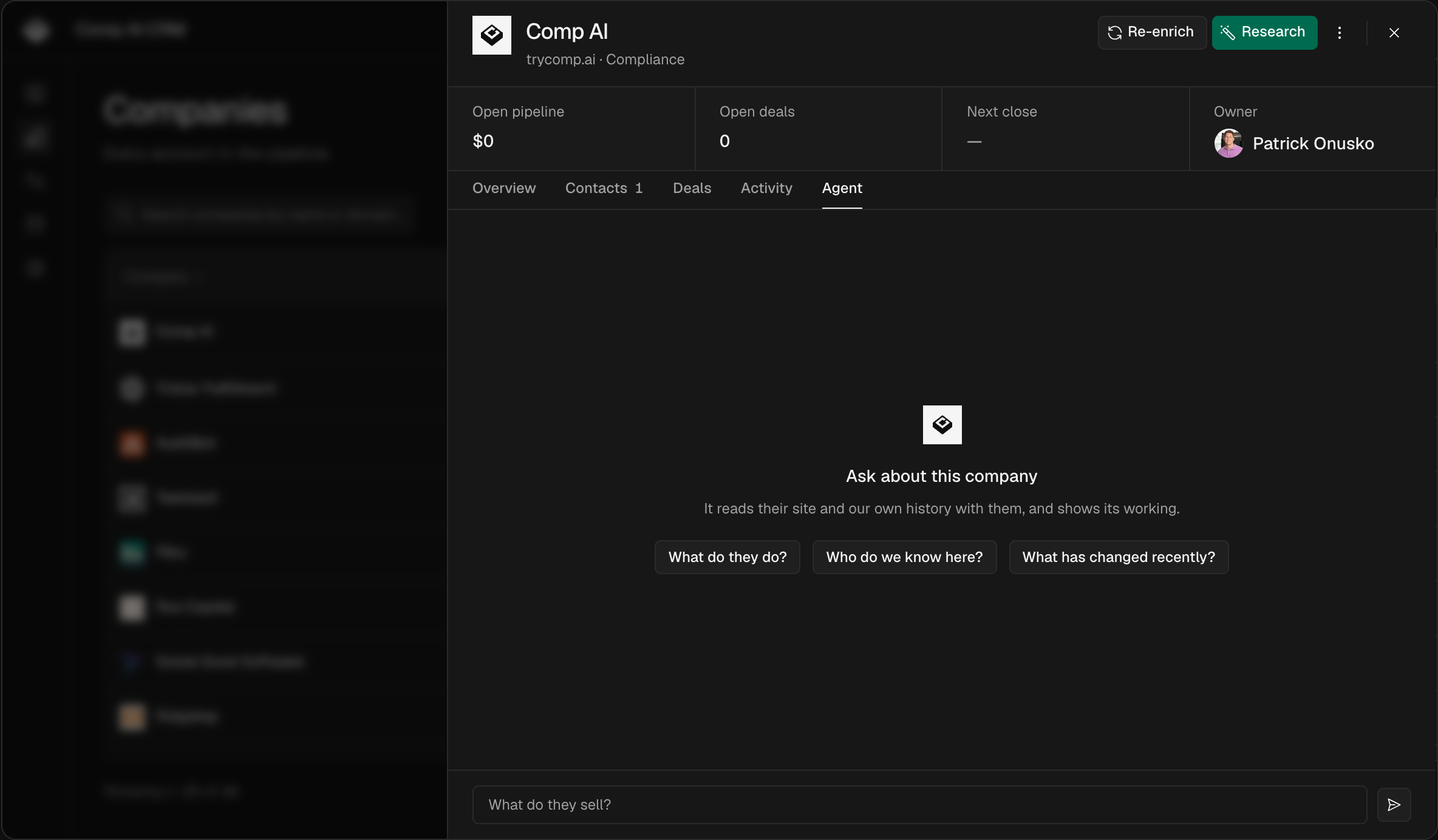
约 1.15 万星,MIT,TypeScript。多数 AI CRM 是在表单旁边加个聊天框,这个反过来:Agent 是一个独立部署,有自己的任务队列和调研预算,自己决定下一个查谁、什么时候回头复查,预算花完就停,你关掉浏览器它照样在跑。底层用的是 Vercel 的 eve 框架,就是 10 月 8 号写过的那个。
最值得看的是它的一条规矩:关于一个人的信息一律不许猜。工具里没有置信度这个参数,只报告自己看到了什么,再由一个证据账本给证据打分,证据够硬才写进客户记录,证据弱就变成一条建议,留给人来定。README 里有句话我很认同:一个错得很自信的客户信息,比空着还糟,因为没人看得出它是错的。
不配任何外部 API key 也能用,它先读你自己的邮件往来、会议记录和邮件签名,每多配一个 key 就多一个能查的地方。
适合想试试让 Agent 维护客户资料的小销售团队和 BD,也适合做 Agent 产品的人,单看它怎么设计证据和复查就值回时间。
坑:整套是 Vercel 那一套技术栈,AI Gateway、Sandbox、Blob 都用上了,本地开发可以用 Docker 顶替沙箱,但正式部署要拆成前端、API、Agent 三个服务再加一个 Postgres,两边的 BETTER_AUTH_SECRET 对不上不会报错,只会无限重定向。LinkedIn 和公司品牌数据走的是 Context,也就是 README 顶上那个赞助商。默认分支是 release,最近一次提交是 9 月 11 号,节奏不算快。
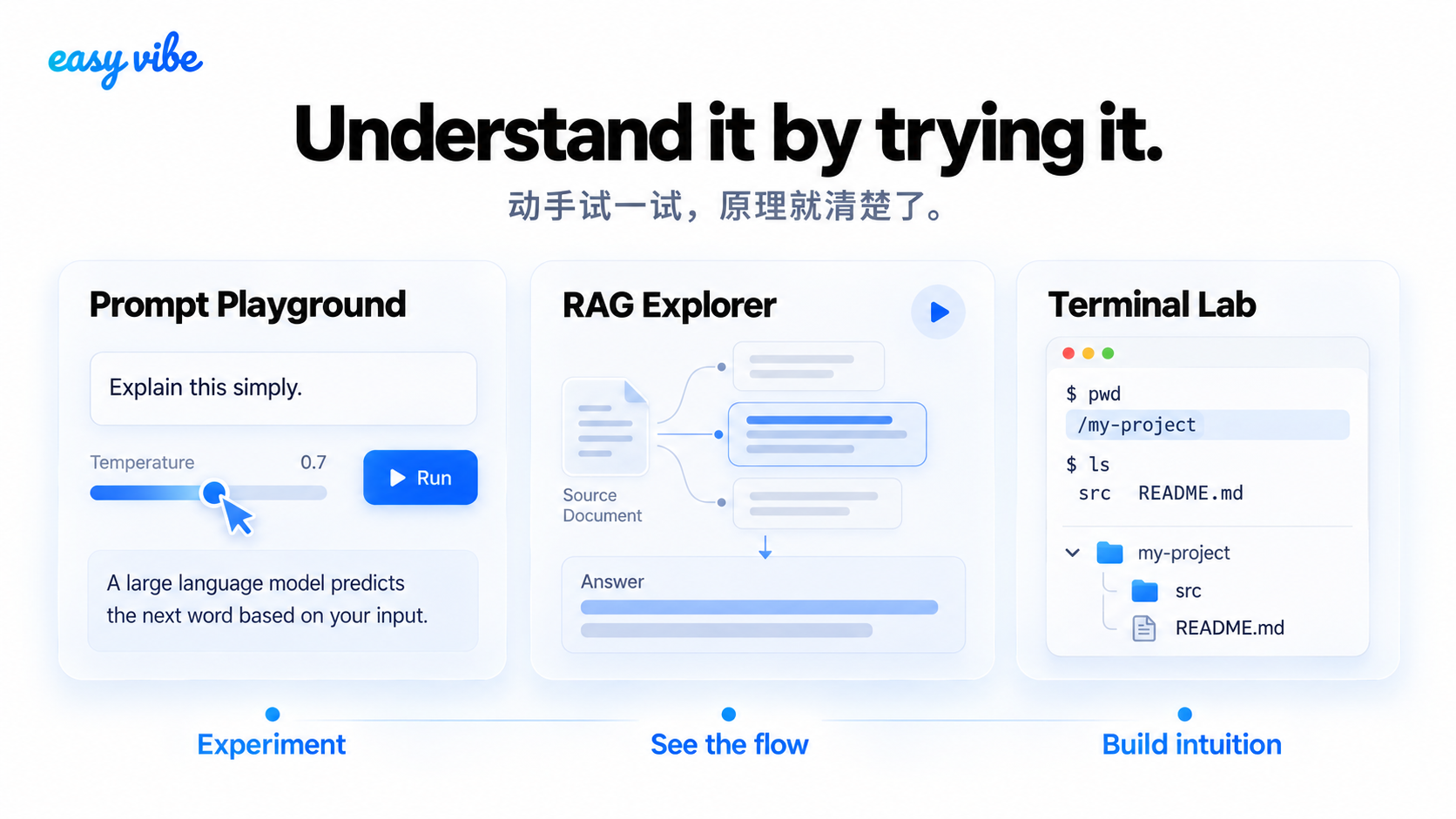
约 2.0 万星,Datawhale 出品。这不是工具,是一套从零做到上线的教程,十种语言,中文原生。第一阶段 8 月刚重写过,从找真实问题、选方向、做用户访谈开始,一路到做原型、接 AI、做出一个能拿给人看的项目,这个顺序对产品经理很友好。第二阶段讲全栈,前端、数据库、后端、部署、支付都有,大作业是一个用 Supabase 搭的文案生成网站,也讲了 Stripe 和微信小程序后端。第三阶段讲 Claude Code 的 MCP、Skills、Agent Teams 这些进阶玩法。
附录里有八十多个交互式小专题,比如点着走一遍 RAG 的数据流、看 AI 怎么一步步生成图片,比读文字直观得多。仓库还放了 llms.txt,可以让 AI 助手直接读懂教程结构帮你找章节。
适合完全没写过代码、想自己做 MVP 的产品经理和创业者,也适合想把 AI 协作流程补系统的初级开发。
坑:内容用的是 CC BY-NC-SA 4.0,不是开源软件协议,所以 GitHub 页面上看不到协议标识。非商业是硬条件,拿去做付费课或者公司收费培训不行,转载改编也得用同样的协议。AI 编程工具的界面更新很快,教程截图跟你手上的版本对不上很正常,按思路走就好。
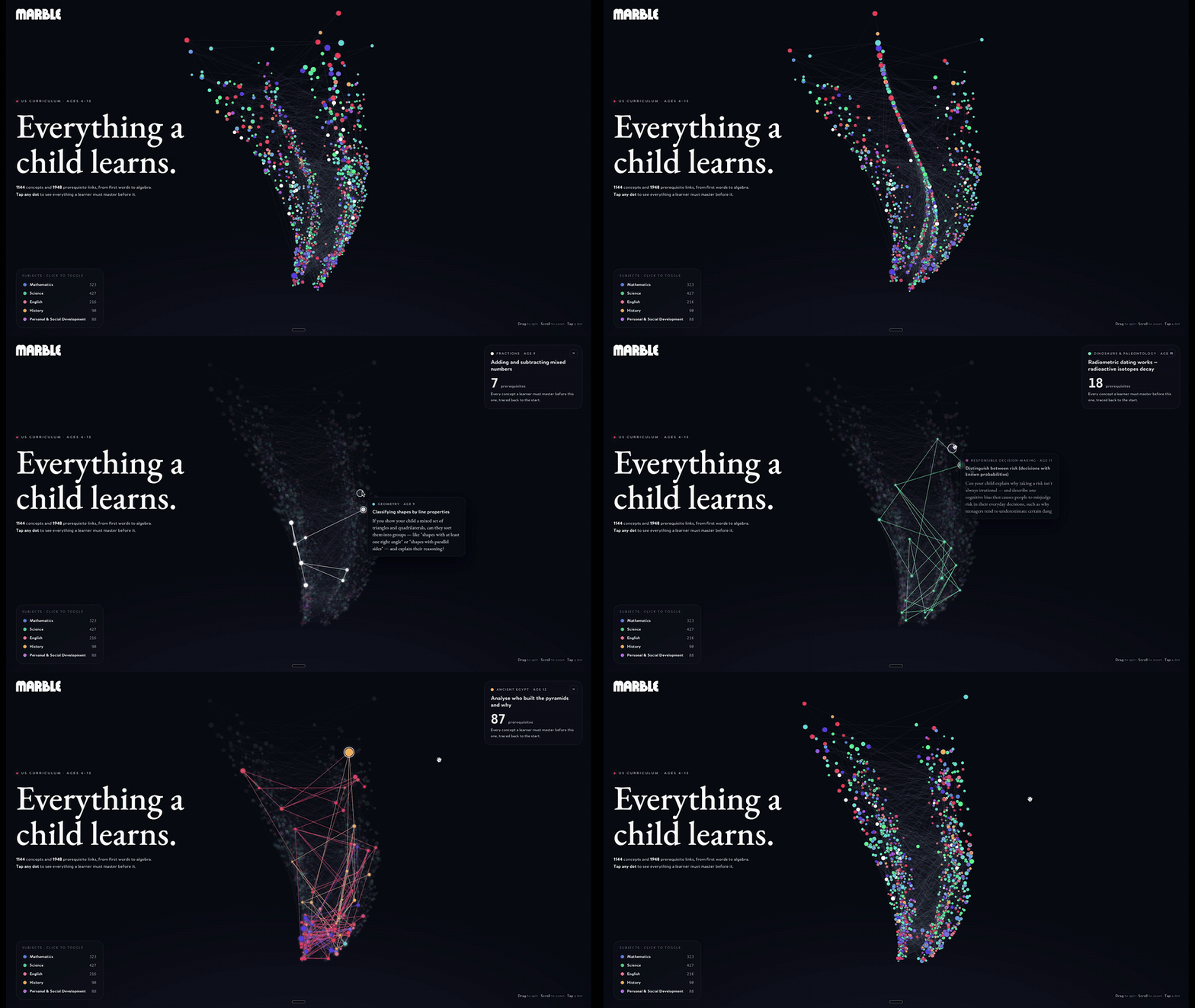
约 6200 星。教育公司 Marble 开放的一份数据集,没有代码要跑,就是几份 JSON。它把小学阶段要学的东西拆成 1591 个很细的知识点,每个都有白话描述、怎样算掌握的判断标准、适合的大概年龄;再用 3225 条依赖关系连成一张有向图,每条边标了是硬依赖还是软依赖,还附一句理由,比如先得懂振动产生声音,才能去找音量的规律。
每个知识点还对到了它来源的课标,NGSS、Common Core、英国国家课程等等。科学和数学的知识点另外配了 1051 条教学研究:怎么教、做什么活动、怎么评估,带出处。官网上可以点任何一个知识点,往回追它所有的前置知识。
适合做 AI 家教、学习路径规划、自适应练习的产品团队,拿来当知识图谱的骨架,比自己从零拆省太多事。
坑:课标全是欧美的,跟国内教材对不上,内容也是英文。教学研究只覆盖科学和数学,剩下 540 个知识点没有。协议分了三层:数据库本身是 ODbL,文字内容是 CC BY-SA 4.0,课标那个文件归各课标原来的协议。用它做产品不用开源你的产品,但你改了数据集本身再发出去,就得按同样的协议开放。知识点里的测评题带一个孩子名字的占位符,展示前记得替换掉。
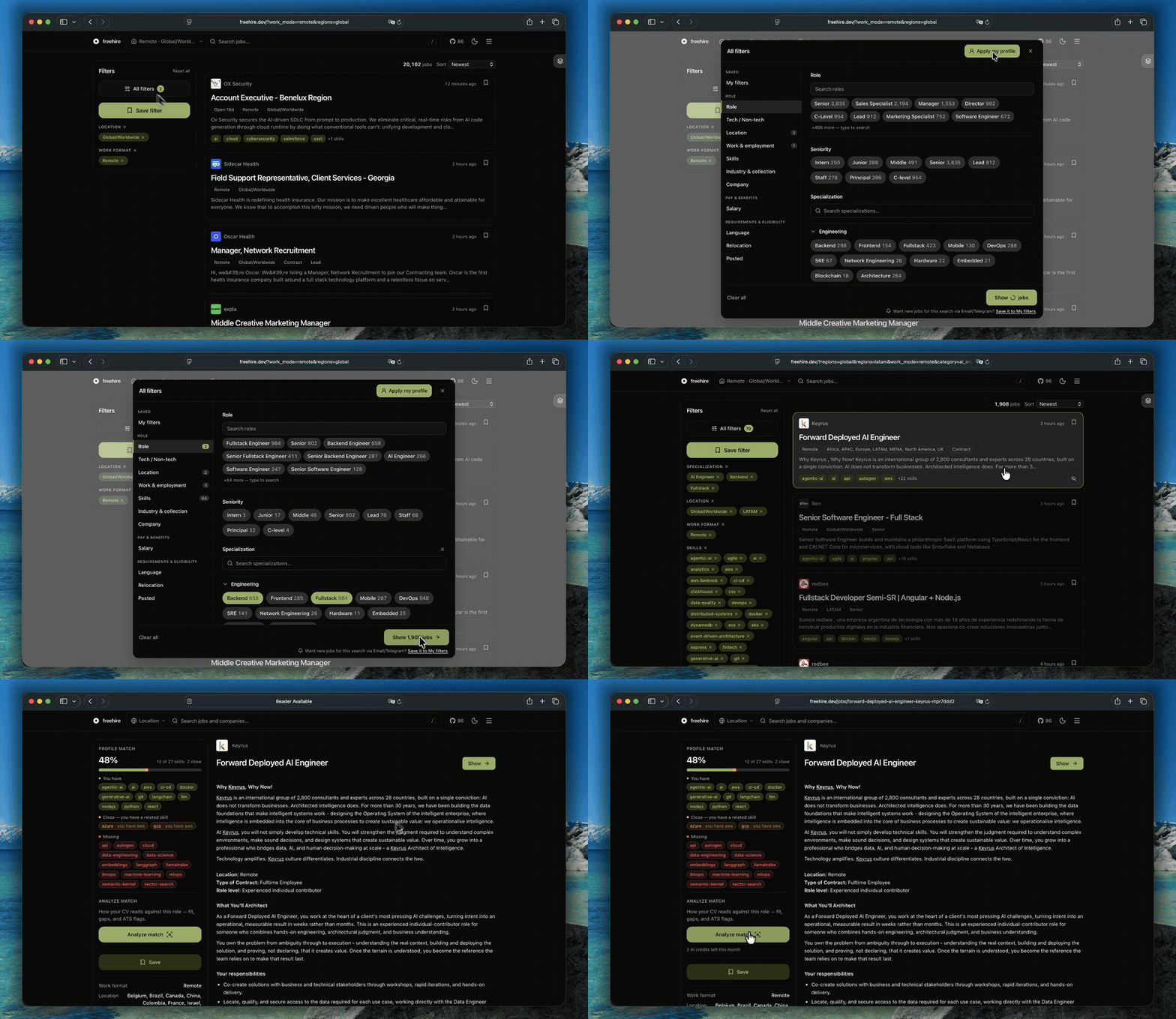
约 1460 星,MIT,Go。17 号写过的 ai-job-search 帮你改简历,这个解决前面一步:岗位从哪来。它直接去各家公司自己的招聘系统抓,Workday、Greenhouse、Lever、Ashby 这些,链接指回原始岗位,同一个岗位发在几个地方会合并成一条。README 写的快照是 330 万个在招岗位、29 万多家公司、225 个来源。
搜索可以按地区、远程与否、职级、技能、薪资筛,这些字段是按词典推出来的,不是让模型猜。岗位库之外还做了一整套:符合招聘系统格式的简历模板、简历和岗位的匹配打分、不编内容的简历改写、投递看板,还能把招聘方的回信挂到对应的投递上。另有免 key 的公开 API、命令行和给 Claude 用的 MCP 服务。
适合找海外工作、被中介转帖和过期岗位烦透了的人,也适合想拿真实岗位数据做分析或者做求职产品的开发者。
坑:来源基本是海外的招聘系统和招聘站,也有 trudvsem、Yandex 这类俄罗斯来源,README 里我没找到国内招聘平台,找国内工作帮不上忙。项目 6 月才建,星也不多。自己部署的话,一条 make up 会起 API、前端、Postgres、Meilisearch、Redis、S3 一整套服务,JWT_SECRET 不配起不来;AI 相关功能要你自己配模型接口,不配就是关着的。
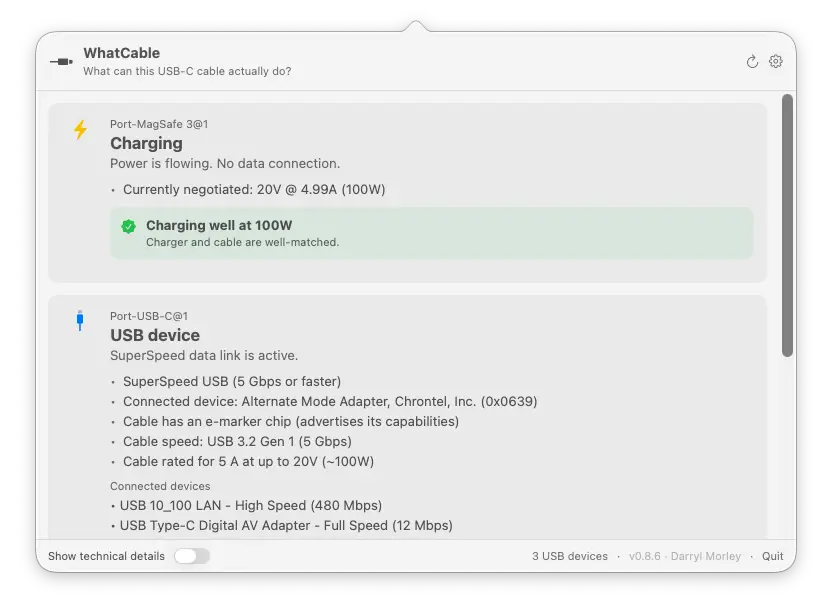
约 8900 星,Swift。抽屉里一堆长得一模一样的 USB-C 线,有的只能充电走 USB 2.0,有的是 240W、40 Gbps 的雷电线,肉眼根本分不出。WhatCable 是个 Mac 菜单栏小工具,读的是 macOS 自己就有的 IOKit 信息,用大白话告诉你每个口上插的是什么:线能跑多快、能过多大电流,充电慢的时候是线拖了后腿、还是电脑本来就只要这么多。它还能列出充电器支持的每一档电压,标出当前协商的那一档。
带认证编号的线会显示 USB-IF 认证厂商;线芯片报出来的数值不太对劲时会亮一张橙色提示卡,作者措辞很克制,只说看起来不寻常,不说是假线。所有读取都在本机完成,不主动往外发数据。自带命令行,可以输出 JSON。
适合线多到分不清的 Mac 用户,也适合总觉得充电慢、想找原因的人。
坑:只支持 Apple Silicon,macOS 14 以上,Intel Mac 的系统根本不暴露这层数据。Mac mini 和 Mac Studio 前面板的 USB-C 口是内部集线器后面的普通口,看不到线的信息,要插后面的雷电口。协议不是纯 MIT:默认是 MIT,但 Pro 功能的代码是闭源的。Pro 是 9.99 英镑一次买断,两台 Mac 能用,实时功率监测这些在 Pro 里,命令行默认会在结尾提示一句 Pro。装法:
brew install --cask darrylmorley/whatcable/whatcable

 Jowe_Lin