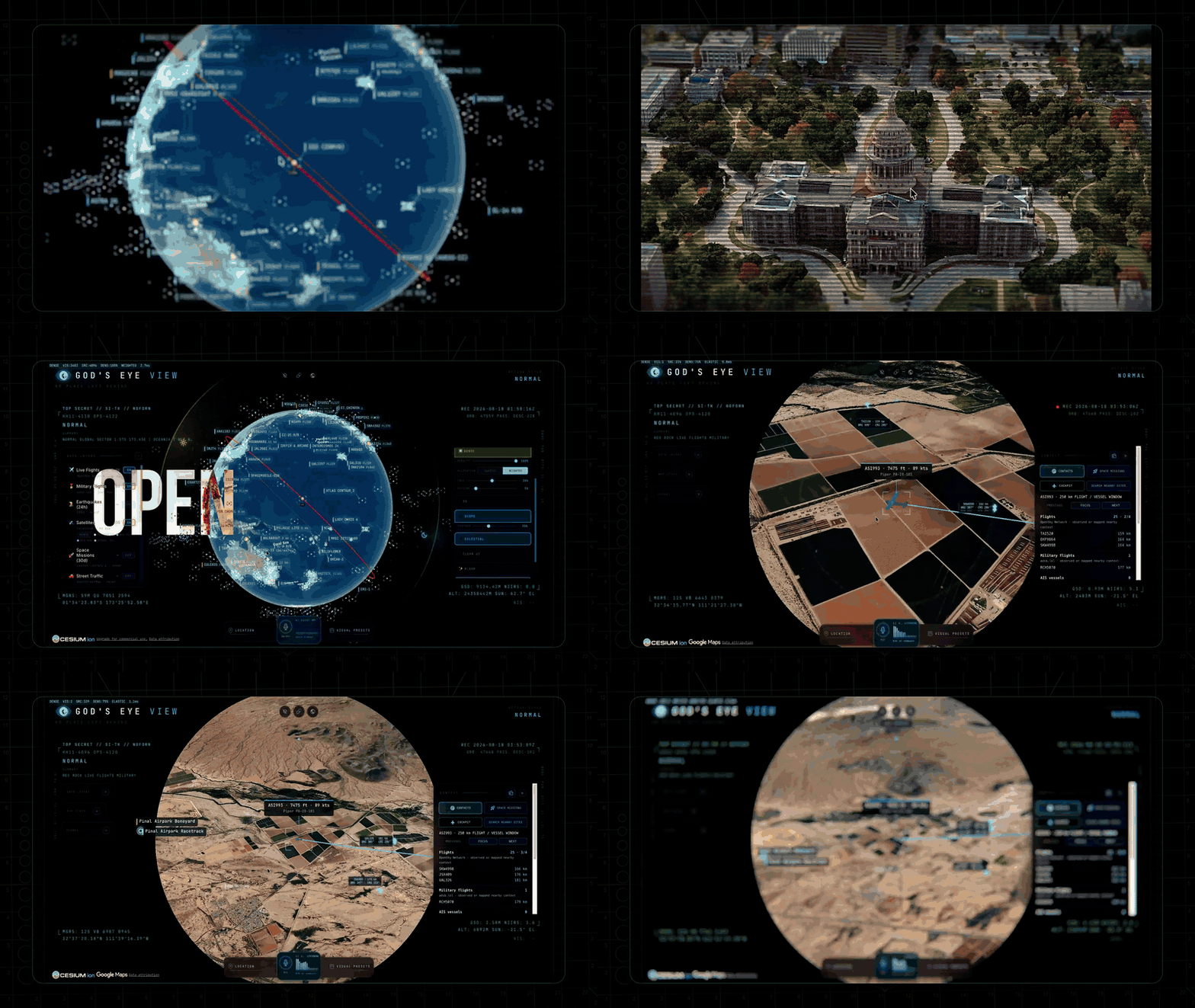
Forget terrestrial data centers. SpaceX, the company that consistently redefines “audacious,” just dropped an FCC filing for a staggering one million solar-powered data centers in Earth orbit. This isn’t just a bold proposal; it’s a strategic maneuver, sparking a critical global conversation about data infrastructure, sustainability, and SpaceX’s signature regulatory playbook.
A Million Orbital Data Centers: Vision vs. Reality
A million orbital data centers: the sheer scale is mind-boggling. SpaceX envisions a constellation entirely fueled by the sun, aiming to slash costs and environmental impact compared to our sprawling, energy-hungry ground facilities. Imagine data processing happening not in a desert facility, but a celestial server farm, continuously bathed in sunlight. But anyone tracking Elon Musk’s ventures knows this isn’t their first rodeo. Remember Starlink’s initial 42,000 satellite request, eventually negotiated down? This million-unit gambit looks less like a final plan and more like a high-stakes opening move in a regulatory chess match with the FCC.
The Promise: Cheaper, Greener, Faster Data?
The allure is undeniable: cheaper, greener, faster data. On the surface, the idea of servers bathed in constant sunlight, cooled by the natural vacuum of space, sounds incredibly efficient. This is a stark contrast to terrestrial behemoths guzzling power and water, often relying on fossil fuels for energy and extensive cooling systems. Moving computation off-planet could eliminate real estate costs, decouple from ground grids, and dramatically cut latency for remote users. This isn’t just about faster downloads; it’s about bringing powerful edge computing to every corner of the globe, fueling the next wave of AI processing, IoT deployments, and global connectivity without geographical constraints.
Navigating the Orbital Minefield: Challenges & Implications
Yet, the orbital landscape is no empty canvas. One million objects, regardless of their size, ignite grave concerns: collision risks, orbital debris, and the specter of a “Kessler Syndrome” scenario where cascading collisions render space unusable for generations. The FCC, alongside international bodies like the ITU, faces unprecedented regulatory pressure. Technically, deploying, maintaining, and securing such a fleet is a colossal undertaking. How do you repair a server 500 kilometers up? What about the sheer volume of data transfer back to Earth or between satellites? How do you ensure data integrity against novel physical and cyber threats unique to the space environment? And while space operations might be “green,” the upfront carbon footprint of manufacturing and launching a million satellites would be immense. Is this truly a “greener” alternative, or just a geographical shift of environmental burden?
More Than Just a Filing: The Future of Cloud Computing
Regardless of the final approved number, this SpaceX filing transcends mere paperwork. It’s a seismic tremor, forcing us to rethink cloud computing’s very definition and its terrestrial limitations. It’s a challenge to engineers, policymakers, and our collective imagination. Even a fraction of this vision could be transformative, pushing boundaries and accelerating the inevitable evolution of sustainable, globally accessible data infrastructure. SpaceX, true to form, has ensured the future of cloud computing will be anything but terrestrial. What are your thoughts on this audacious orbital ambition? Share your take in the comments below!