Hold onto your hats, tech enthusiasts and enterprise strategists! A recent report from Bloomberg suggests Meta, under the leadership of Mark Zuckerberg, might be making a significant pivot in its highly publicized AI strategy. The company is reportedly working on a new, advanced large language model (LLM), code-named Avocado, and here’s the kicker: it might actually charge for access.
This isn’t just another product launch; it’s a potential tectonic shift. For years, Zuckerberg has championed an aggressive open-source approach to AI, proclaiming it the “path forward.” Now, the prospect of monetizing a cutting-edge AI model like Avocado raises crucial questions about Meta’s long-term AI ambitions, its financial strategy, and the very future of open-source AI.
The Avocado Enigma: Meta’s Enterprise Play?
While details on Avocado are still emerging, the mere suggestion of a price tag instantly sets it apart from Meta’s previous high-profile AI releases, such as the Llama series. Those models, for the most part, have been made available for free, or with very permissive licenses, empowering countless developers and researchers globally. Avocado, however, seems to be targeting a different market.
Why would Meta, a company built on free services funded by advertising, suddenly consider charging for an AI model? The answer likely lies in the immense, escalating costs associated with developing and training state-of-the-art AI. From massive data centers packed with tens of thousands of GPUs to recruiting top-tier researchers, building an AI as sophisticated as Avocado is a multi-billion-dollar endeavor. Monetization becomes a logical, if not necessary, step to recoup these staggering investments and fuel further innovation.
From Open Source Evangelist to Pragmatic Monetizer: What Changed?
It wasn’t long ago that Mark Zuckerberg was a staunch advocate for making foundational AI models widely accessible. This philosophy led to the open-sourcing of several iterations of the Llama model, which has been instrumental in democratizing AI development and fostering a vibrant ecosystem of innovation outside of the tech giants.
So, what’s driving this potential change of heart? Several factors come into play:
- The Astronomical Cost of Cutting-Edge AI: As mentioned, advanced AI development, particularly for foundation models, is incredibly expensive. Relying solely on ad revenue to fund these endeavors might no longer be sustainable, especially with Meta’s broader, costly investments in the metaverse and other long-term bets.
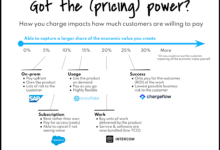
- Competitive Landscape: Giants like OpenAI, Google, and Microsoft are already successfully monetizing their advanced AI models (e.g., GPT-4, Gemini Ultra) through API access and enterprise solutions. To compete effectively in the lucrative enterprise AI market, Meta needs a similar, robust revenue stream.
- Enterprise Demand: Businesses are increasingly willing to pay for high-performance, reliable, secure, and well-supported AI models that can drive real-world value and offer specific SLAs. Avocado could be Meta’s strategic bid for a significant piece of this premium enterprise pie.
- Targeted Use Cases: It’s possible Avocado is designed for specialized, high-value enterprise applications that demand superior performance, enhanced security features, or unique capabilities that warrant a premium price tag.
Implications for the AI Ecosystem and Developers
A move to charge for Avocado, even if other models like Llama remain open, sends a powerful signal across the AI industry. For developers and businesses who have come to rely on Meta’s open-source contributions, this could introduce a new dynamic.
- Hybrid Model: We might see a future where Meta maintains a dual strategy: free, open-source base models (like Llama) for broad innovation, alongside proprietary, paid, highly optimized models (like Avocado) for enterprise and advanced use cases.
- Impact on Open Source: While not a complete abandonment of open source, charging for Meta’s most advanced model could fundamentally shift the perception of what a major player is willing to truly “open.” This move might push other companies to re-evaluate their own open-source commitments, potentially leading to a more fragmented AI landscape where only less-powerful models remain freely available.
- Competitive Pressure: This move could intensify competition in the paid enterprise AI market, potentially leading to more innovation and better offerings as companies vie for customer dollars.
- Developer Choice: Developers will now need to weigh the benefits of a potentially superior, paid Meta model against the flexibility, transparency, and cost-effectiveness of truly open-source alternatives, potentially forcing tougher decisions for budget-conscious innovators.
Looking Ahead: The Future of AI Monetization
Meta’s potential pivot with Avocado highlights an ongoing tension in the AI world: the desire to foster innovation through openness versus the undeniable need to monetize massive, ongoing investments. If this report holds true, it marks a pragmatic, perhaps inevitable, evolution for Meta, acknowledging the commercial realities of developing bleeding-edge AI.
This isn’t merely a product decision; it’s a strategic repositioning that could redefine the industry’s approach to AI development and distribution. As we watch how Meta navigates this potential shift, the question remains: Will Avocado set a new precedent for how major tech players balance open innovation with commercial success, or will it simply underscore the growing divide between free and premium AI?